


Quick Answer: Daily workouts without results often show a flawed approach or untracked calories. A calorie deficit app helps measure macros and meals for better progress.
You put in the hours at the gym, break a sweat, and stay consistent, yet no visible results. This confusion of working out but not losing weight quickly turns into a search for answers because something is clearly isn’t aligned. It might mean there are unseen factors at play, including fluid retention, muscle building, and a slow metabolism.
To move forward, you need more than just an effort; you need detailed insights. For this, the guide below covers everything from common pitfalls to solutions for instant results and workout-friendly recipes for support.
In this article

Part 1: Working Out but Not Losing Weight? Here’s Why
This, not losing weight after working out, is often the result of choosing the wrong exercise type. In the section that follows, we’ll break down which exercises actually fuel fat loss and how they impact fat loss:
| Exercise Type/Aspect | Main Effect on Body | Fat-Loss Role |
| Steady-State Cardio | Burns calories during the session. | Helps reduce fat when done consistently. |
| HIIT/Intervals | Burns a high number of calories in a short time and raises EPOC. | Efficient for fat loss if recovery is managed. |
| Strength Training | Builds or preserves muscle and raises resting metabolism. | Supports long-term fat loss and improves body composition. |
| Cardio and Strength Combined | Combines calorie burn with muscle gain. | Effective for fat loss while preserving muscle. |
| Low-Intensity Movement (NEAT) | Involves walking, standing, and daily activities. | Adds daily calorie burn and helps maintain weight control. |
Muscle Gain, Nutrition, and Recovery
Not seeing results even after working out indicates body recompositing: fat mass decreases while lean mass increases. Strength training plus enough protein can increase or preserve lean mass, whereas a modest calorie deficit reduces fat. To turn workouts into visible fat loss, they must be paired with nutrition that creates a sustainable energy deficit and supports protein needs.

Part 2. Common Mistakes Behind Not Losing Weight After Working Out
People experience working out every day but not losing weight, actually pointing to the listed common mistakes that silently hold their progress:
- Neglecting Strength Training & Doing Cardio: Only doing cardio can lead to losing both muscle and fat, lowering resting metabolism, and making fat loss harder. Strength training helps maintain or build muscles so the body burns more calories at rest, improving your overall shape.

- Overestimating Calories Burned During Exercise: Fitness devices significantly overestimate how many calories a workout actually burns, especially at higher intensities. Believing you burned 600 plus calories can lead to overeating, reducing your weekly deficit.
| Perception vs Reality | Estimated | More Realistic | Impact on Fat Loss |
| 45‑min brisk run (watch says) | 600 kcal | Approx 350-400 kcal | Eating 600 back overshoots actual burn by approx. 200-250 kcal. |
- Ignoring Total Daily & Weekly Calorie Balance: Exercise is only one part of energy balance, and its impact is modest compared with metabolism and everyday movement. If portion sizes and liquid calories are not monitored across the week, it is easy to stay at maintenance.
- Letting Non‑Exercise Movements Drop: Being tired from workouts often makes people sit more, drive instead of walk, and move less overall. This drop in non‑exercise activity (NEAT) can offset much of the workout burn, reducing overall calorie expenditure through the entire day.
- Not Adjusting Food When Workouts Increase: A common mistake is training more but consuming more because workouts create a sense of entitlement to extra food. Without deliberately matching activity to calorie intake, the added hunger and additional snacks can offset the calories burned.

Part 3. Solutions to Boost Results from Your Workouts
As you push through your workouts day after day, the results never seem to appear as expected. Working out daily but not losing weight is now your cue to shift strategies and unlock solutions that actually move the needle:
| Focus Area | How to Perform | Benefit for Fat Loss | Additional Tip |
| Combine Cardio and Strength | 2–4 strength + 2–4 cardio sessions per week. | Improves fat loss and body composition more effectively than one alone. | Rotate muscle groups to prevent overtraining. |
| Prioritize Strength, then Add Cardio | Lift first, then add moderate or interval cardio after. | Helps preserve muscle while increasing overall calorie burn. | Keep strength training heavy, cardio 20–30 minutes. |
| Use Active Rest Days | Walk, easy cycle, yoga, or light mobility on off days. | Maintains energy expenditure and supports recovery. | Aim for 5–8 km of gentle steps on rest days. |
| Add Stretching and Mobility | 5–10 minutes post-workout stretching and joint drills. | Reduces stiffness and injury risk, improving training consistency. | Focus on tight hips and chest muscles. |
| Protect Sleep and Recovery | Sleep 7–9 hours + 1–2 lighter recovery days weekly. | Balances hormones, boosts performance, and controls appetite. | Maintain a consistent bedtime and wind-down routine. |
Part 4. 5 Workout-Friendly Recipes to Boost Results and Support Fat Loss
When you’re working out hard but not losing weight, it means your meals need just as much strategy as your training. Due to this, these 5 workout-friendly recipes are introduced to energize and help you finally see the results you're chasing:
1. Veggie Egg White and Spinach Scramble
Total Calorie Count: 250 kcal
This recipe is light but satisfying; it delivers lean protein plus micronutrient-rich veggies to support recovery. Without a heavy calorie load, this scramble is ideal as a pre- or post-workout breakfast or light afternoon meal.
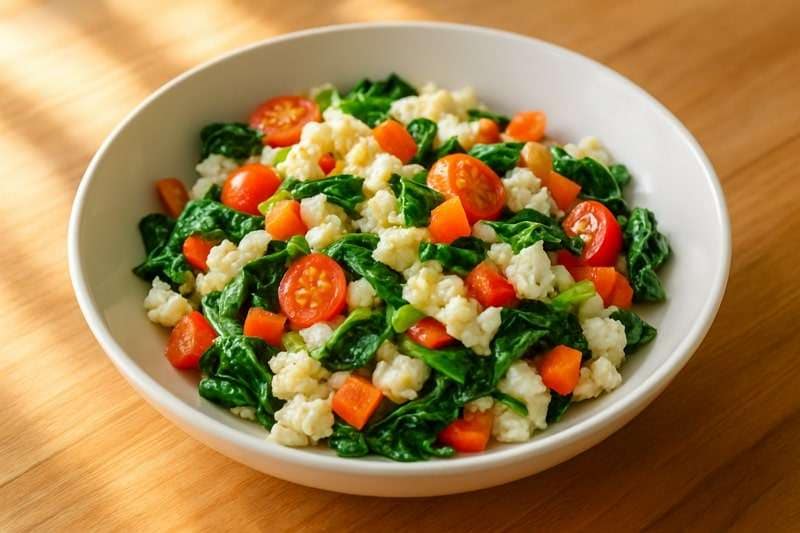
Ingredients Required
- 4 egg whites
- 1 whole egg
- 1 cup fresh spinach
- ¼ cup diced tomato
- ¼ cup sliced mushrooms
- 1 tsp olive oil or cooking spray
- Salt, pepper, herbs
2. Grilled Chicken, Quinoa, and Broccoli Plate
Total Calorie Count: 380 kcal
It's a complete, balanced fitness plate that combines lean protein, complex carbs, and fiber to refuel glycogen stores. Quinoa adds both carbohydrates and extra protein, while broccoli provides volume and essential vitamins/minerals for general health.
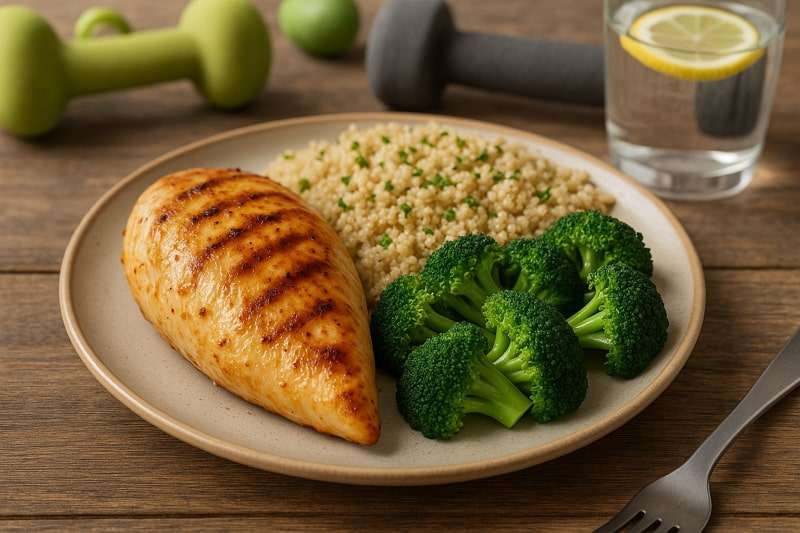
Ingredients Required
- 100g grilled chicken breast
- ½ cup cooked quinoa
- 1 cup steamed broccoli
- 1 tsp olive oil or light vinaigrette
- Lemon juice, garlic, pepper
3. Salmon, Sweet Potato, and Greens
Total Calorie Count: 420 kcal
A slightly higher in calories but very nutrient-dense, making it perfect on heavier training days or when a sustainable dinner is needed. Salmon supplies omega‑3 fats linked with heart and joint health, while sweet potato replenishes muscle glycogen.
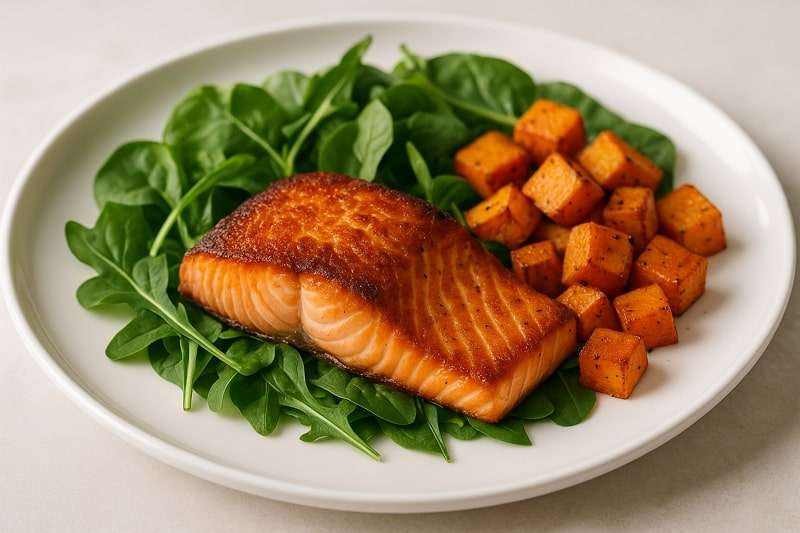
Ingredients Required
- 100g baked salmon fillet
- 100g baked sweet potato (½ medium)
- 1 cup steamed green beans or asparagus
- 1 tsp olive oil or light butter
- Lemon, salt, pepper
4. High‑Protein Chickpea and Kale Pasta
Total Calorie Count: 390 kcal
To help you work out without weight loss, a delicious pasta dish will keep macros in check and help maintain muscle. Chickpea pasta provides more protein/fiber than regular pasta, while kale and tomatoes add micronutrients without extra calories.
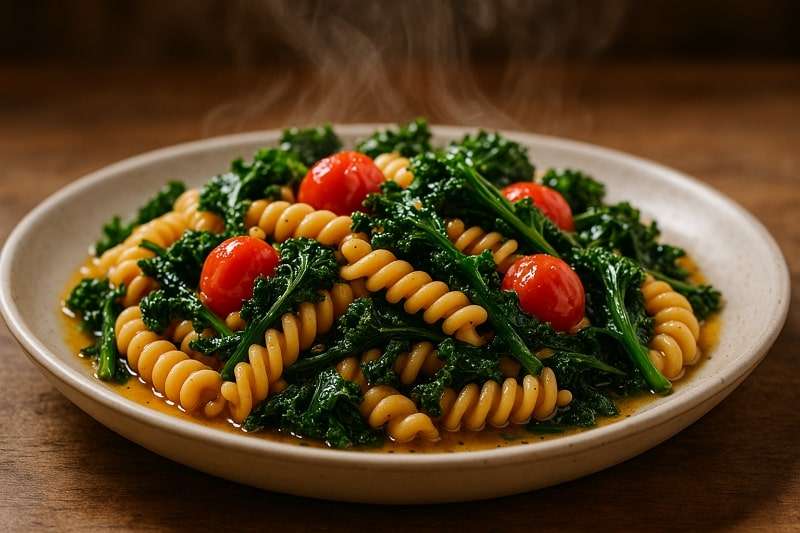
Ingredients Required
- 1 cup cooked chickpea pasta
- 1 cup chopped kale
- ½ cup cherry tomatoes, halved
- 1 tsp olive oil
- 1 clove garlic, minced
- 1 tbsp nutritional yeast or light Parmesan
- Salt, pepper, chili flakes
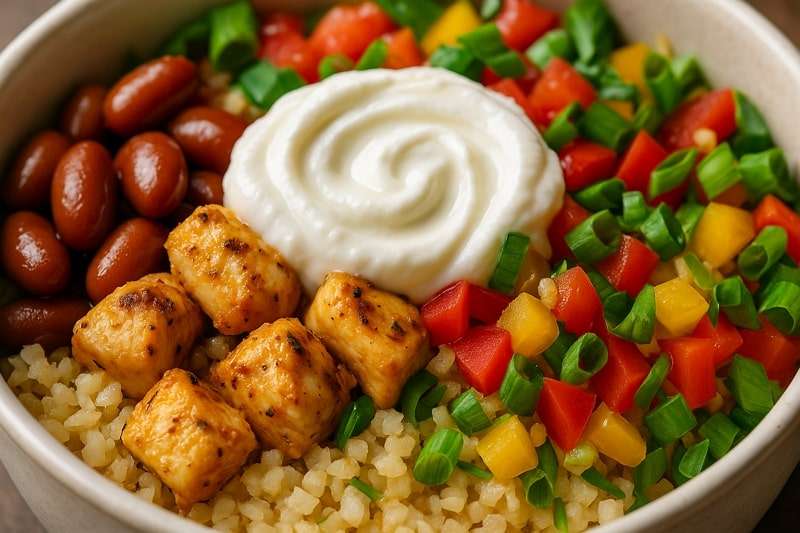
5. Protein‑Packed Burrito Bowl
Total Calorie Count: 400 kcal
It offers all the flavors of a burrito while keeping calories in check, skipping the large flour tortilla and using extra vegetables instead. Chicken or turkey, beans, and Greek yogurt provide ample protein, while rice or cauliflower rice gives carbs.
Ingredients Required
- 90g grilled chicken or turkey strips
- ½ cup cooked brown rice or cauliflower rice
- ½ cup black beans (rinsed)
- ½ cup lettuce or cabbage, shredded
- ¼ cup salsa
- 2 tbsp plain Greek yogurt
- Lime, cilantro, taco seasoning
Part 5. Stay on Track: Tips to Measure Workouts and Diet
If you find yourself questioning, “I work out every day and am not losing weight,” it's time to re-evaluate your workouts and diet. The following tips will help you balance macros, increase strength, and finally turn your hard work into results:
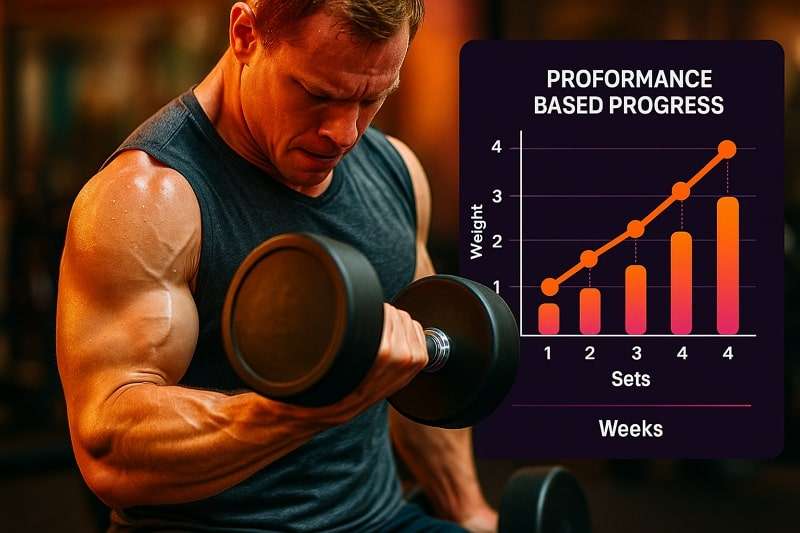
1. Use Strength and Performance as Progress Markers
Improving running pace and workout volume is a b sign that your program and fueling are working. Keep a simple log of exercises, sets, and loads in a workout-tracking app to improve performance over weeks and months.
2. Make Use of the Calorie Deficit App
An ultimate nutrition tracker CalBye adds more convenience to help you with "working out daily, but not losing weight." The app offers simpler tracking and enables you to stay motivated even if you slip during your fitness journey. You're facilitated with a daily meal plan with 3 innovative options from its AI meal planner. It gives you an overview of your daily intake and helps you understand how meals fuel your body.
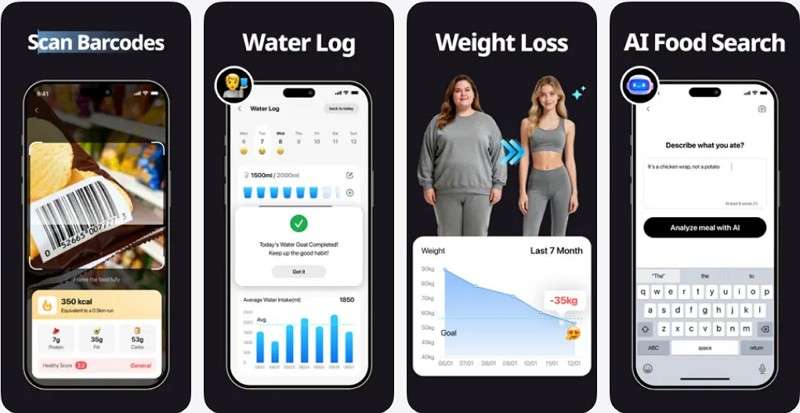
You can search for different cuisines and get estimated portion sizes for protein, fat, and carbs. Besides this, you can briefly describe what you ate for an AI-analyzed nutrition breakdown in detail. Its barcode scanner also lets users scan food labels for complete ingredient information. A simple snap of a meal can accurately reflect calories, macros, and nutritional content.
Key Features
- Weight and Water Tracking App: You can log your weight and daily water intake to visualize how nutrition and hydration affect your progress.
- Daily Progress and History Review: It helps analyze calorie balance and long-term progress with clear charts over days, weeks, and months to stay motivated.
- Logs Meals to Avoid Frequent Scanning: The app lets users log meals, especially those they often consume, to avoid repeated scans.







3. Build Consistency and Realistic Goals
Small, repeated habits, short bursts; consistent tracking and training are closely linked to better long-term weight-loss success. Set realistic goals (e.g., 0.25-0.75 kg per week, or 3 workouts plus 7,000 steps daily) and focus on hitting these.
4. Practice Mindful Eating and Honest Logging
Even with an app, logging is only helpful if entries reflect reality: track sauces, drinks, and snacks instead of rounding down. Slow down at meals, and check in with hunger/fullness, to match your logged calories with how you feel.

5. Review Your Data and Adjust Gently
To address the “exercising more but not losing weight” concern, you’ll need to look at a complete week of logs. Once a week, review average calories, steps, and workout frequency to adjust activities rather than make extreme changes.
Conclusion
In summary, an experience like working out but not losing weight often highlights the need for a more strategic approach. The solution, as discussed in the guide above, includes thoughtful adjustments, careful monitoring, and consistent practice. A reliable AI Calorie Counter - CalBye app makes the entire process far easier, helping you track calories and log workouts accurately.
FAQs
-
What is the 30/30/30 rule for weight loss?
The 30/30/30 rule for weight loss is a flexible guideline that promotes balance and consistency in diet and exercise. It’s applied by dividing meals so roughly 30% of calories come from protein, 30% from fats, and 30% from carbohydrates. -
What is a realistic amount of weight to lose in 30 days?
A healthy weight-loss goal for 30 days is typically 1 to 4 pounds (0.5-2 kg) per week. This range allows for fat loss while reducing muscle loss and avoiding extreme restrictions that can harm metabolism. Rapid weight loss beyond this range is usually due to water loss or unsustainable extreme measures, and isn't maintainable long-term. -
What is blocking my weight loss?
For instance, if you’re “working out hard but not losing weight,” it means sugary drinks or cooking oils offset your efforts. Besides this, hormonal imbalance, poor sleep, and an inconsistent exercise routine can also interfere with weight loss.


