


Quick Answer: Not losing weight despite diet and exercise? Hidden habits, body changes, and lifestyle factors may be the cause.
If you are not losing weight with diet and exercise, it can be an issue and may lead to stress. Many people follow strict plans but still see little change, which can lower motivation. The truth is, hidden factors can stop your body from responding, such as portion sizes and small daily habits.
Therefore, if you know such factors, it helps you adjust your routine without giving up. This is why we explain common reasons for not losing weight with diet and exercise and share simple, practical ways to reach your goals in this guide.
In this article

Part 1: Eating Healthy and Working Out But Not Losing Weight - Why!
If you are eating healthy and working out but not losing weight, know that weight loss happens when the calories you burn exceed the calories you consume. A healthy diet may help maintain or even gain weight if total food intake equals or exceeds energy expended.
Moreover, moderate workouts may burn 200 to 400 calories, but the number varies based on weight, duration, and intensity rather than being fixed.
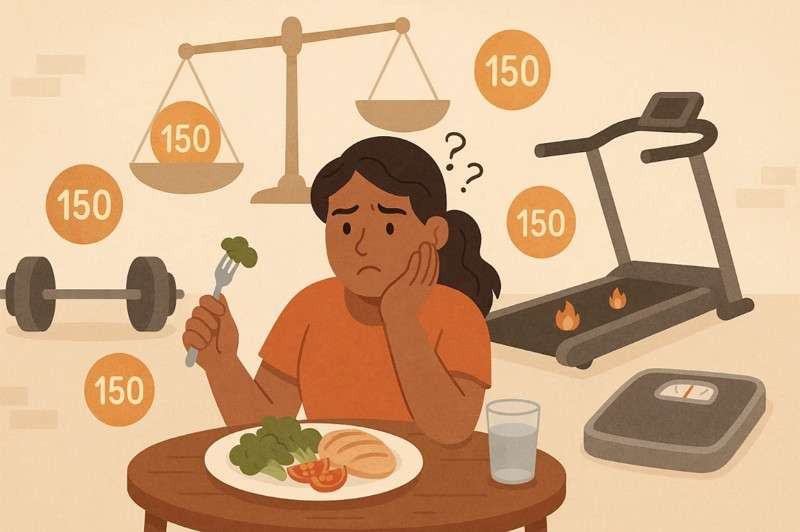
Importance of Portion Control
So, having an idea of why you are dieting and exercising but not losing weight, portion size is another factor people overlook. For this reason, experts suggest using the hand as a guide for portion sizes. This implies that you use the palm for proteins, the fist for veggies, the cupped hand for carbs, and the thumb for fats.
Other than that, you might misunderstand “Healthy” foods without knowing they can hide hidden calories, as guided below:
| Food Item | Typical Portion | Approx. Calories | Why It Adds Up |
| Nuts or Trail Mix | 1/4 cup | 200 | Eaten by handfuls as snacks |
| Avocado | Half medium | 160 | Generous spreads on toast |
| Nut Butters | 2 tbsp | 190 | Thick layers in smoothies/sandwiches |
| Olive Oil/Dressings | 1 tbsp | 120 | "Healthy fat" pours freely |
| Granola or Energy Bars | 1 bar | 200–300 | Frequent "quick healthy" grabs |
| Smoothies with Fruit/Nut Milk | 1 large | 300–500 | Blended portions exceed awareness |
Part 2. Dieting and Exercising But Not Losing Weight - Other Factors to Know
Those who are eating less and working out but not losing weight must know that even a good diet and exercise may not create the right conditions for fat loss. Thus, the intensity of workouts, calorie burn, and lifestyle factors should be comprehended to make changes by examining the details listed:
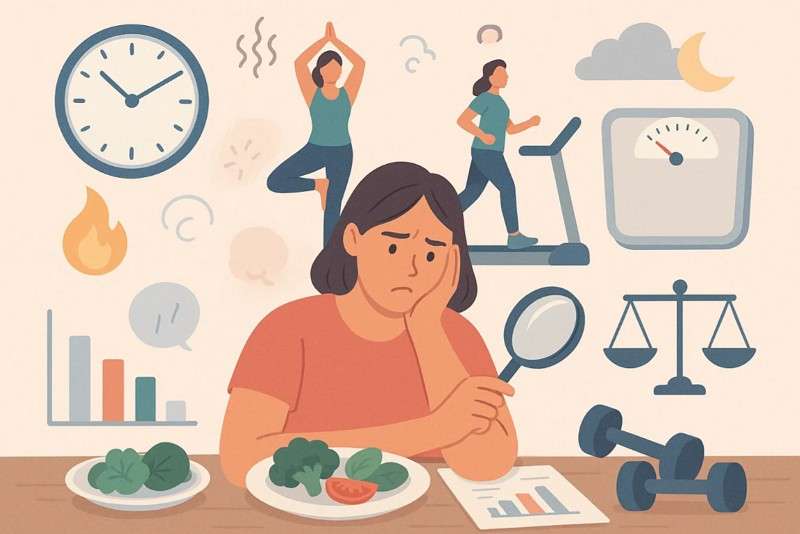
Exercise Intensity and Type
Different exercises affect fat loss and body shape in various ways, and to know which types affect fat and body, adhere to the given table:
| Exercise Type | Frequency/Duration | Effect on Fat & Body |
| Moderate Aerobic (Walking, Cycling, Running) | 150–300 min per week | Reduces overall body fat and waist circumference |
| High-intensity (HIIT, Vigorous Cardio) | 2–3 sessions per week, short intervals | Reduces visceral belly fat, improves fitness |
| Strength Training | 2–3 sessions per week | Preserves or increases muscle, keeps metabolism higher |
| Combined Strength + Cardio | Mix of the above | Best for overall fat loss, muscle maintenance, and fitness |
Overestimating Calories Burned
It is another factor people overestimate, as many assume workouts burn more calories than they do. Fitness trackers and gym machines often show 20-50% more calories burned than they actually are, which can make you overeat and prevent fat loss.
For Example, A 45-minute moderate session may burn only 250 to 400 calories, which is about the same as a muffin, a couple of "healthy" bars, or a smoothie.
In addition, exercise can increase appetite and lead to slightly larger portions or less movement during the day. So, this “Compensation Effect” explains why exercise alone may yield only small weight changes.
Stress, Sleep, Hormones - Combined Effect on Weight
Even with a good diet and exercise, lifestyle factors can slow weight loss. So, if you are working out and dieting, but not losing weight, maybe the listed factors can be a reason:
| Factor | How It Affects Weight | What to Do |
| Stress | Raises cortisol. This leads to more appetite, cravings, and belly fat | Manage stress with breaks, meditation, or walks |
| Sleep | Poor or short sleep. Causes a hunger hormone imbalance, resulting in less energy | Aim for 7–9 hours of quality sleep each night |
| Hormones | Thyroid issues, PCOS, menopause, meds. Slow metabolism, water retention, higher appetite | Consult a doctor, adjust diet and activity. |
Part 3. Working Out and Dieting but Still Not Losing Weight - What Body Composition Says?
Sometimes, the scales don’t tell the true story, which makes you wonder why you are not losing weight after dieting and exercise. This is why it's essential to understand this aspect too, by distinguishing between muscle gain and fat loss based on body composition.
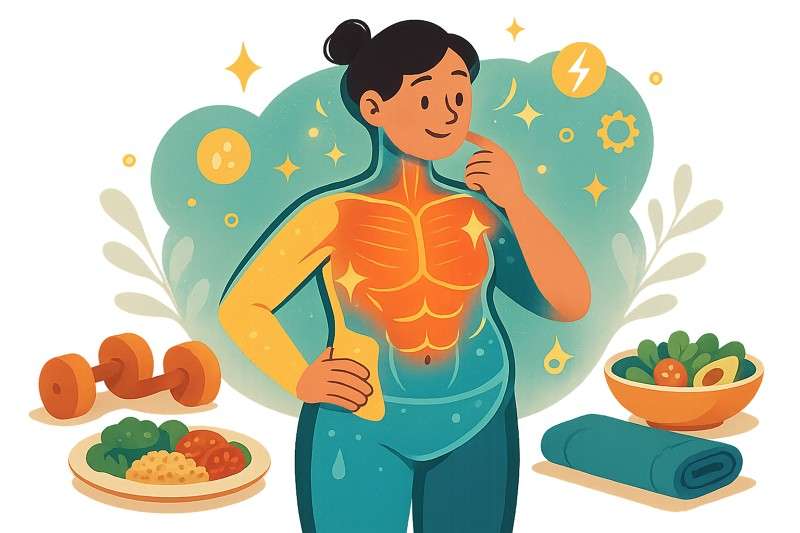
Role of Body Composition: Muscle Gain vs Fat Loss
Bear in mind that body re-composition means losing fat while gaining muscle. This happens often for beginners or people who return to train, but it may not always show on the scale, and here’s why:
| Factor | Effect on Body | Corrected Support Guidance |
| Muscle vs Fat | Muscle is denser and occupies less space than the same weight of fat | Focus on strength training to build or preserve muscle |
| Body Appearance | Leaner, firmer look even if the scale weight does not change | Track measurements, clothes fit, or progress photos |
| Strength Training | Preserves or increases muscle mass | 2–3 resistance sessions per week |
| Protein Intake | Supports muscle growth and maintenance | 1.2–2.0 g protein/kg daily for general needs, higher intake (1.6–2.2 g/kg) for training or muscle goals |
| Metabolism | Muscle burns more calories at rest | Combine resistance training with moderate activity |
Why the Scale May Not Reflect Progress
Here is another misconception about body composition: the scale actually shows only total weight. This includes fat, muscle, water, bone, and food, which implies that fat loss can be masked by muscle gain, water retention, or extra glycogen stored from carbs. So, there's a high chance you are losing weight, but you are just worried about why you are not losing weight with diet and exercise.
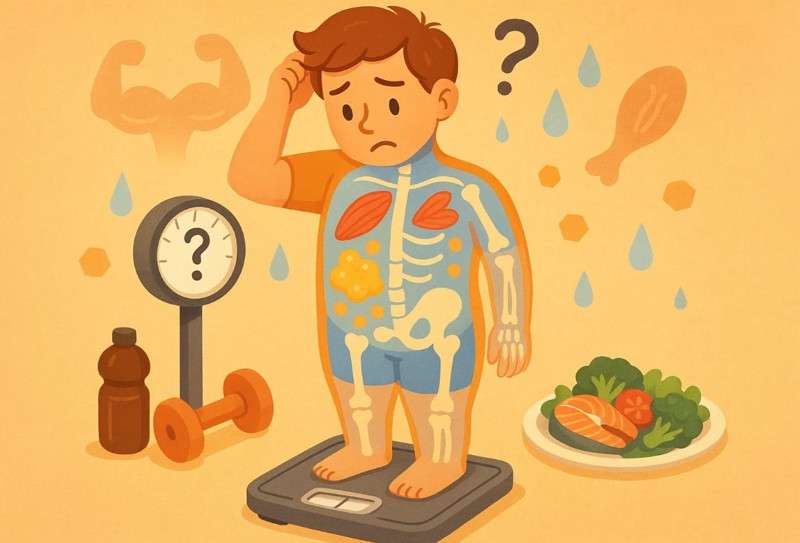
Tracking Measurements and Strength
Since the scale can be misleading, it's better to track weekly averages and use measurements or photos to see real progress. Hence, review the mentioned “Non-Scale Variables” and know how they can help you see fat loss and muscle gain more clearly:
| Tracking Method | What It Shows | How to Do It | How Often |
| Tape Measurements | Fat loss in key spots like the waist, hips, and thighs | Measure first thing in the morning, same day each week, before food | Weekly |
| Strength Log | Muscle gain and better performance | Write weight, reps, and sets for each lift; look for steady increases | Every Workout |
| Progress Photos | Visual changes in shape and tone | Take front/side/back photos in the same clothes, same light | Every 2 Weeks |
| Body Fat % | Real change between fat and muscle | Use a smart scale, calipers, or DEXA if available | Monthly |
| Clothes Fit | Inch loss without scale change | Notice looseness in the waist, arms, hips, and thighs | Weekly |
| Energy & Endurance | Fitness level and recovery | Track how long you last in workouts and daily tasks | Weekly |
Part 4. Tips to Track and Maintain Healthy Habits
Now that you know what factors make you think you are dieting and exercising but not losing weight, here are five tips you can follow to see results instantly:
1. Track Calories and Nutrition
Keep a simple record of what you eat and count how many calories that takes. For that, use an app like CalBye, which offers AI-powered assistance, allowing you to log meals and track calories by taking photos or importing them from the gallery. In addition, the app will enable you to get a detailed report and assistance via AI chat mode as you categorize the meal.
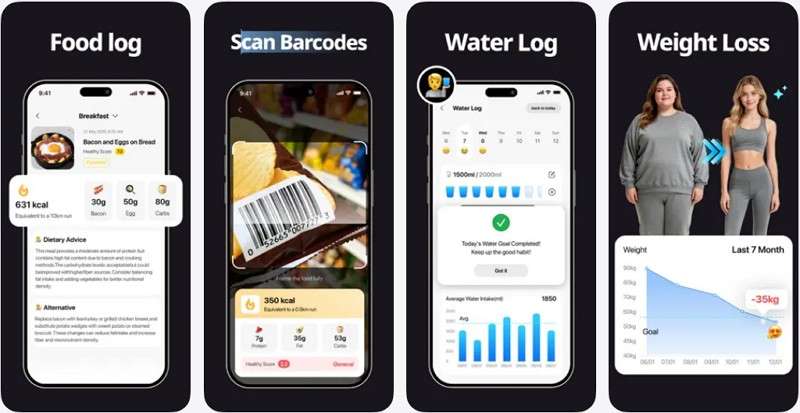
Besides, you can use this app without fear of a data breach, as it only requires your BMI details to function. Above all, it's accessible to Android and iOS users with a barcode scanner, allowing them to count calories on packaged foods. This means that if you are having a quick snack after a workout, you can also monitor micro and macronutrients with its nutrient tracker.
Key Features
- The app lets you track your overall progress in its My Achievements tab to stay motivated.
- One can also use CalBye to receive water alerts while on a diet or working out.
- Upon adding your BMI details, the app lets you monitor weight changes.
- Users can add the alternative meal option suggested by the app to their favorites while tracking calories.
- While tracking the meal, the app offers dietary advice that can be logged for later access.







2. Be Consistent, Mindful, & Realistic
If you are eating less and working out but not losing weight, know that small habits can shape long-term results. Therefore, eat primarily whole foods, move more each day, and avoid "all or nothing" thinking.
3. Monitor More Than Just Weight
Use measurements, photos, clothes fit, and strength gains to check progress. Hence, these show fat loss even when the scale does not move.
4. Increase Daily Movement (Not Just Workouts)
Take stairs, go for a walk, or stand more to help burn more calories than many gym sessions. This will boost fat loss without extra stress on the body and take the tension of why you are not losing weight after diet and exercise. So, don't be harsh on yourself; 5000 to 8000 steps a day make a big difference.
5. Sleep Enough & Manage Stress
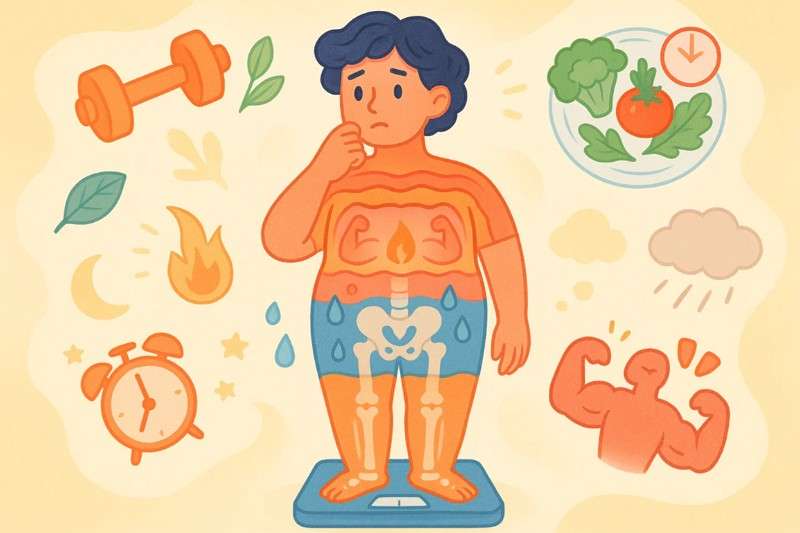
Good sleep keeps hunger hormones stable and helps your body recover, and lower stress enables you to avoid emotional eating and keeps energy steady. So, aim for 7 to 8 hours of sleep each night and practice simple calming habits, like deep breaths or short breaks.
Part 5. Solutions for Breaking Through Weight Loss Plateaus
For those who are eating healthy and working out but not losing weight, no matter what they try, here are some solutions to break weight loss plateaus:
| Solution Area | What To Do | Why It Helps |
| Boost Workout Intensity | Add short bursts, increase pace, lift slightly heavier, mix cardio + strength | Wakes up metabolism and stops your body from getting too used to one routine |
| Change Training Mix | 2–3 strength days + 2–3 cardio/interval days | Strength training builds muscle and boosts metabolism; cardio burns calories for better fat loss. |
| Check Nutrition | Watch portions with CalBye, balance protein, carbs, and fats, and cut hidden calories. | Small overeats slow fat loss; balanced macros keep energy steady |
| Improve Meal Timing | Spread meals across the day, avoid late heavy meals | Prevents big hunger and reduces overeating |
| Lower Stress | Add breaks, simple walks, or relaxation time | High stress raises cortisol, which pushes your body to hold belly fat |
| Stay Flexible | Let your plan adjust: rest days, lighter workouts | Prevents burnout and keeps habits consistent long-term |
Conclusion
To wrap up, if you're wondering why you are not losing weight with diet and exercise, this guide explains the hidden factors. So, review them in detail and learn how healthy habits can help with weight loss or break a weight plateau. While following these tips, CalBye is recommended to track meals and log them for better results.
FAQs
-
Does slow weight loss mean my plan is not working?
Slow weight loss can still show steady progress even when results feel minimal today. Plus, your plan may still help you lose fat, while muscle gain hides scale changes now. -
Do I need a strict diet to lose weight?
You do not need a strict diet; simple choices can guide slow, steady fat loss. Instead, balanced meals with normal portions help your body lose fat without complex rules or limits. -
Can age slow weight loss?
Age can slow weight loss because metabolism drops and muscle changes affect daily calorie use. You can still lose fat with wise food choices plus strength work that supports metabolism.


