


Quick Answer: Do you think you’re losing weight but not the actual belly fat? This means your nutrition and workout strategies need adjustments and proper tracking.
Many people start their health journey expecting steady progress, but they soon find themselves losing weight but not losing belly fat. When the scale moves but the mirror shows no change, it signals a clear need to rethink your approach. This stalled midsection fat becomes the push that people need to understand what their body is really asking for.
Once you recognize this imbalance, you’re better positioned to work toward results that show on both scale and mirror. For this, you’ll need comprehensive guidance to determine the facts and workouts to reduce belly fat, as explained below.
In this article

Part 1: Losing Weight but Not Losing Belly Fat? Know the Truth!
Genetics, hormones, and age all influence where the body prefers to store fat, making belly fat stubborn. Research shows that men and postmenopausal women tend to shift toward more abdominal fat, driven in part by changes in hormones. Aging is also associated with increased total body fat and a tendency for midsection fat accumulation.
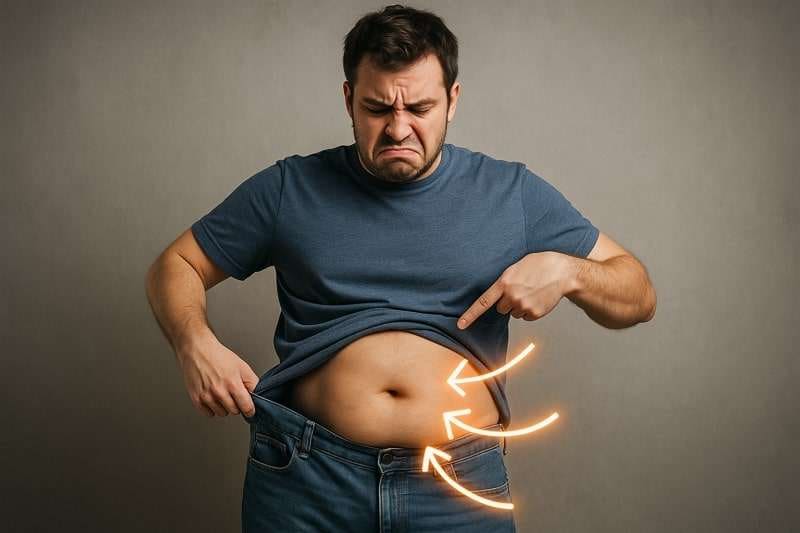
Stress and Cortisol Levels Contribution to Fat Retention
In fact, stress and cortisol drive a significant aspect of weight loss, but not belly fat. Chronic psychological stress and exaggerated cortisol response have been linked to greater abdominal fat. Importantly, cortisol does not create fat without extra calories, but it appears to influence where the body parks that fat. For more clarity, have an overview of how different stress and cortisol patterns affect belly fat in your body:
| Stress and Cortisol Patterns | What Happens | How it Affects Belly Fat |
| Chronic Stress | Ongoing stress elevates cortisol and stress hormones | Higher cortisol is associated with more visceral and abdominal fat |
| Eating for Comfort | Stress can increase the intake of energy‑dense, sugary, or fatty foods | Extra calories promote overall fat gain, with cortisol biasing storage |
| Sleep Disruption | Negative thoughts or stress at night reduce sleep quality and duration | Poor sleep is linked to higher appetite and more abdominal fat |
| Cortisol Pattern (Belly) | Flattened or elevated daily cortisol curve | Higher stress‑related cortisol responses; more is the central fat |
Importance of Combining Diet, Exercise, & Lifestyle Changes?
As explained, belly fat is influenced by both biology and behavior; combining diet, exercise, and lifestyle changes may be effective. A higher-protein, fiber-rich eating pattern, along with fewer sugary drinks and ultra-processed foods, is associated with less abdominal fat. To take action, focus on the core strategies to activate the muscle beneath the stubborn belly fat:
| Pillar to Focus | Key Consideration | Belly Fat Benefit | Simple Example |
| Nutrition | Calorie deficit, high protein, and high fiber | Supports overall and visceral fat loss | Plate with 50 percent veggies, 25 percent lean protein, 25 percent whole grains with water |
| Exercise | Regular cardio plus 2 or more resistance training sessions weekly | Reduces visceral fat and preserves metabolism | 30-minute brisk walk most days with 2 full-body strength workouts |
| Stress | Follow daily stress management routines and set personal boundaries | Helps limit cortisol-linked central fat gain | 5 to 10 minutes of breathing or a short walk |
| Sleep | Consistent 7 to 9 hours of quality sleep | Improves hunger control and reduces midsection weight gain risk | Fixed bedtime without heavy screens for 1 hour before bed |
| Tracking Food | Log meals, workouts, and waist measurements | Confirms real deficit and captures slow waist changes | Use the AI Calorie Counter - CalBye app to track meals and monitor progress |
Part 2. I’m Losing Weight but Stomach Still Big: Common Causes
Even when the scale drops, you might notice that your midsection stays the same, so you lose weight, but the stomach still feels big. At this point, a clear comparison of the type of fat your body holds might work to address this stalled area:
| Aspects | Visceral Fat | Subcutaneous Fat |
| Where It Sits | Deep inside the abdomen, around organs including the liver and kidneys | Just under the skin across the body, including the belly and the hips |
| Feel or Appearance | Stiff or tight belly with limbs that appear normal | Soft and pinchable fat with visible skin folds |
| Main Function | Energy storage that releases inflammatory molecules | Shock absorption with energy reserve and structural support |
| Metabolic Activity | Highly active and bly linked to insulin resistance and inflammation | Less active and less bly linked to metabolic conditions |
| Responsiveness to Lifestyle | Responds well to calorie deficit, cardio, and improved sleep or stress control | Decreases with sustained calorie deficit, though generally at a slower rate |
Other Common Causes: Why the Stomach May Stay
Besides genetics, the more frequently listed causes happen, the more they tend to interfere with your overall progress:
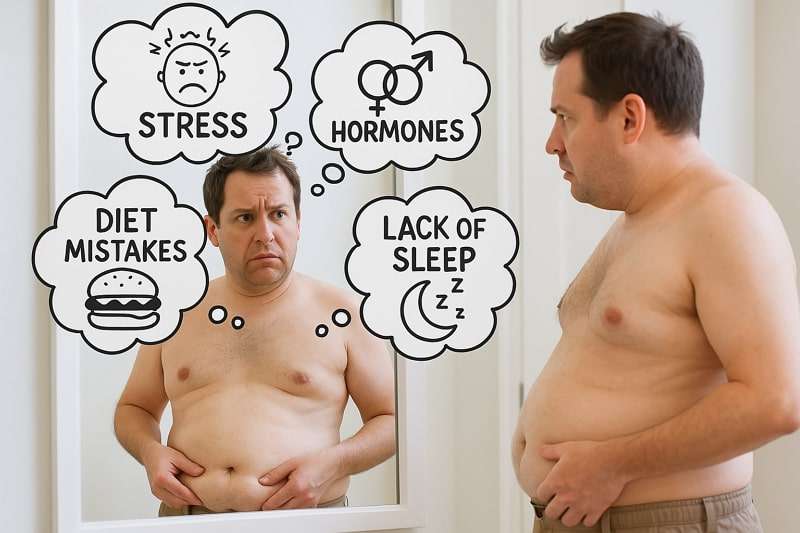
- Under‑estimating portions, forgetting snacks, and not counting drinks or sauces can remove the daily calorie deficit.
- Long hours of sitting with minimal walking or standing reduce total daily energy expenditure.
- Erratic sleep disrupts hunger hormones, increases cravings, and is associated with greater abdominal fat.
- Low‑effort cardio without enough total intensity, duration, or resistance training limits overall fat loss.
- Repeatedly stopping and starting diets or workout plans prevents you from staying in a sustained deficit.
Part 3. 7 Exercises and Workouts to Reduce Belly Fat
If you notice, I am losing weight but not belly fat. You need focused exercises and smart workout strategies. To tackle this stuck belly weight, combine core-focused exercises, similar to those revealed in the following section:
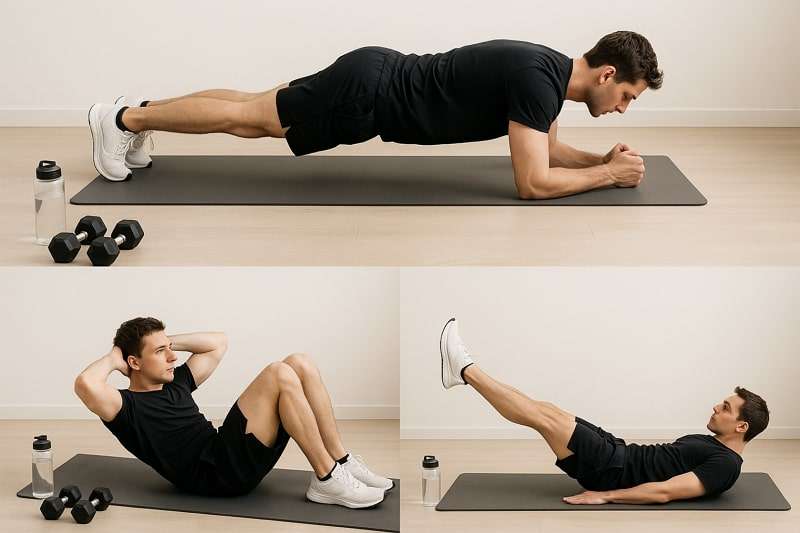
| Exercise | Type or Focus | Guideline to Follow | Main Benefit of Belly Fat |
| Plank | Core isometric | 20 to 40 seconds for 2 to 4 sets | Strengthens core and supports posture for improved fat loss |
| Crunches | Core flexion | 10 to 20 reps for 2 to 3 sets | Builds abdominal muscles; definition appears only when overall body fat decreases |
| Leg Raises | Lower abdominal and core | 8 to 15 reps for 2 to 3 sets | Targets lower abdominal muscles and improves core control |
| Squats | Compound lower body and core | 8 to 12 reps for 3 sets | Significant muscle movement that increases calorie burn and supports muscle gain |
| Push Ups | Compound upper body and core | 8 to 15 reps for 3 sets | Burns calories and builds upper body and core endurance |
| Brisk Walking | Low-impact cardio | 30 to 45 minutes on most days | Helps reduce visceral and liver fat with consistent practice |
| HIIT Intervals | High intensity cardio | 10 to 20 minutes for 1 to 3 sessions weekly | Reduces total, abdominal, and visceral fat in less time |
Part 4. Eat Smart: Nutrition Strategies to Target Belly Fat
You might now be aware that, despite shedding pounds, you can still lose weight without losing belly fat. Considering the need, you’re guided with proven nutrition strategies, specifically shortlisted to target your belly fat:
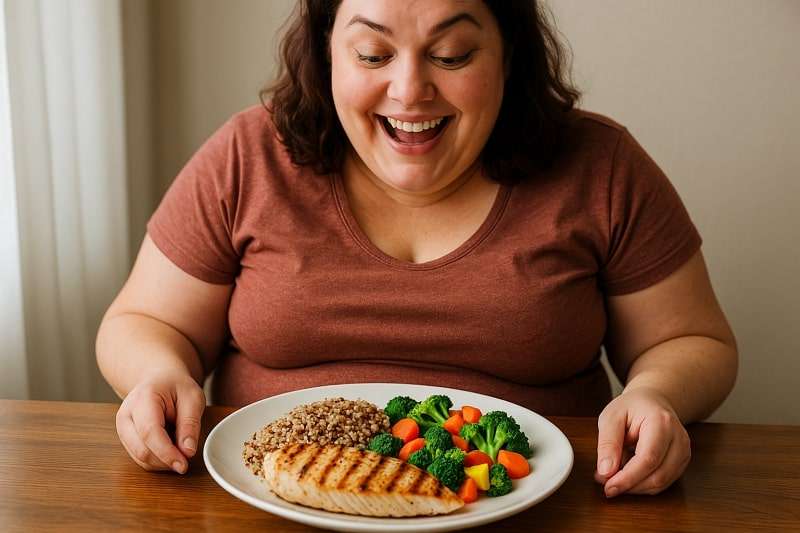
1. Cook a Belly-Friendly Platter
Centre meals on lean protein, high-fiber carbs, and vegetables instead of consuming ultra-processed foods. Higher protein and soluble fiber intake are repeatedly linked to lower abdominal fat, better appetite control, and better long-term weight management. Essentially, keep sugary drinks or processed snacks to occasional extras rather than daily staples.
2. Use CalBye to Track What You Eat
For persistent belly fat, you’ll need a personal macro-tracker, AI Calorie Counter - CalBye, to make achieving your weight loss goals effortless. It's an ultimate nutrition tracker that automatically identifies your meals, calculates calories, and analyzes macronutrient/micronutrient values. Point your camera, snap a meal, and get an instant calorie/ nutrition breakdown in no time. Impressively, it helps you maintain your food diary with accurately measured and tracked meals.
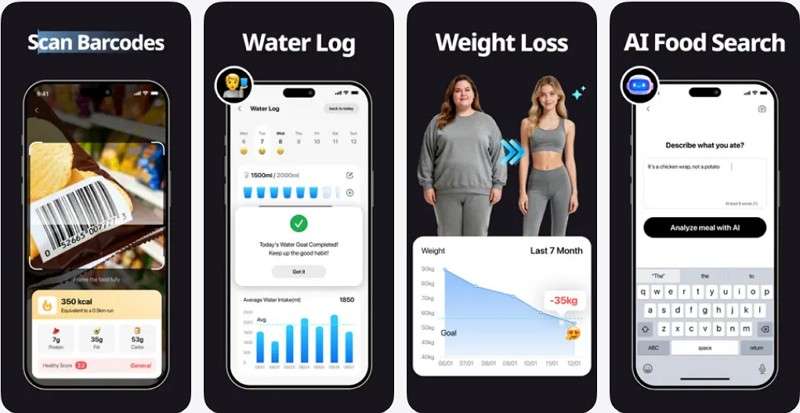
Not only that, but you can log meals manually to avoid the repetitive scanning and tracking process. Users get AI-estimated portion sizes, calories, and nutrients even when they search for a specific cuisine. Surprisingly, the app defines success by automatically adjusting your daily targets based on your progress. Make informed food choices, optimize your meals, and stay on track towards your belly-fat-loss, fitness, or health motive.
Key Features
- Barcode Scanning Functionality: Scan your food labels to get detailed nutritional insights into macronutrients/micronutrients, along with personalized nutrition scores.
- Review Daily and History of Progress: Review your calorie balance, nutrient intake, and long-term progress with clear graphs spanning days to months.
- Weight and Water Intake Tracker: In addition to meals, users can log their weight and daily water intake, with reminders to track trends and support healthy diets.







3. Support Results with Sleep and Stress Control
Poor sleep is associated with higher calorie intake, ber cravings, and an increased risk of central obesity, mediated by hormones. To lose weight without losing belly fat, aim for 7-9 hours of sleep and build in short daily stress-relief breaks.
4. Eat Mindfully and Reduce Mindless Calories
Mindless eating, snacking while scrolling, or finishing kids' leftovers can add hundreds of calories unnoticed each day. When you practice mindful eating, check your hunger or fullness, and pre-portion snacks, you enjoy food more.

5. Choose Carbs That Work for You
Swap refined carbs for whole grains, beans, and vegetables, which provide far more fiber and micronutrients per calorie. This pattern is even linked to less central fat and better blood sugar control, compared to sugary drinks and highly refined carbs.
6. Prioritize Protein at Every Meal
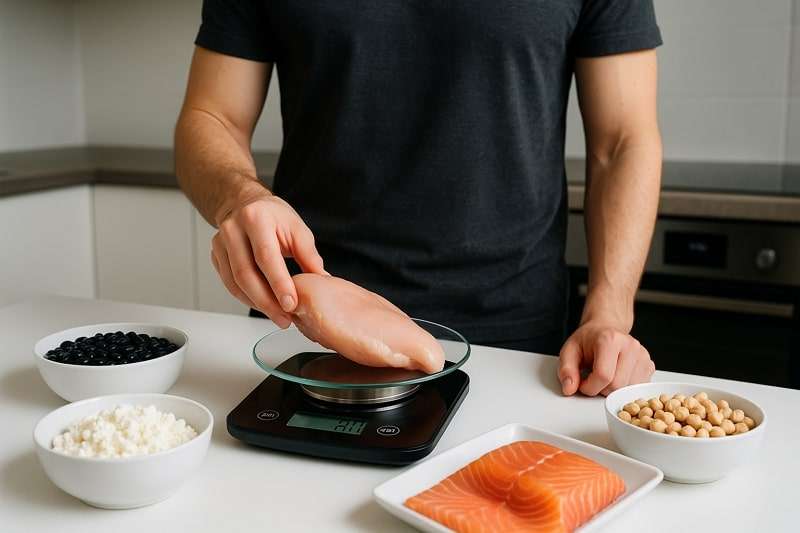
Consume adequate protein (roughly around 1.6-2g per kg of your body weight) to build muscle while you lose fat. Higher-protein diets are also associated with reduced cravings, making it easier to maintain the calorie deficit needed to lose weight.
Conclusion
In summary, when you’re losing weight but not losing belly fat, it means your routine needs further adjustment and intentional strategies. For your assistance, the guide above covers everything from choosing exercises that improve metabolism to nutrition adjustment tips. To help you midsection finally respond, stay consistent and track your meals through the AI Calorie Counter - CalBye app.
FAQs
-
What happens if I lose weight but not fat?
It generally means your body is shedding water or muscle rather than reducing stored fat. This often happens with overly strict dieting, poor protein intake, and lack of strength training. As an outcome, the scale might drop, but your body composition won’t improve, leaving areas like the belly unchanged. -
What are the best foods for weight loss?
The best foods for weight loss are those that keep you full, support stable blood sugar levels, and provide high-quality nutrients. You can have lean proteins and high-fiber foods like oats or beans to keep you full longer. Additionally, healthy fats from nuts, fatty fish, and fruits provide natural sweetness without causing blood sugar spikes. -
Which comes first, weight loss or fat loss?
Those who are confused about “I am losing weight but not belly fat” should remember that weight loss usually precedes fat loss. Belly fat loss takes longer and requires a consistent calorie deficit, balanced nutrition, and activity to achieve visible results.


