


Many diet-conscious people turn to intermittent fasting to reduce belly fat, hoping for quick, visible results. Still, when stubborn belly fat refuses to shrink, it often signals hidden habits, a slow metabolism, and poor food timing. This eventually creates confusion and a feeling that you're doing everything right, yet seeing no progress.
At this point, you need guidance that simplifies what to eat, when to eat, and the best diet tips to make fasting finally effective. A proper structure for more intelligent calorie control and supporting habits is unlocked in the guide, helping you shape accordingly.
In this article

Part 1. What You Need to Know About Intermittent Fasting and Belly Fat
Intermittent fasting for belly fat isn’t a belly-fat eraser, but it can make it easier for many people to lose body fat. When you eat within a shorter daily window (eg, 8 hours), you often take in fewer calories without rigid dieting. Multiple studies on time-restricted eating show meaningful drops in body weight and total fat mass when people stick to fasting.
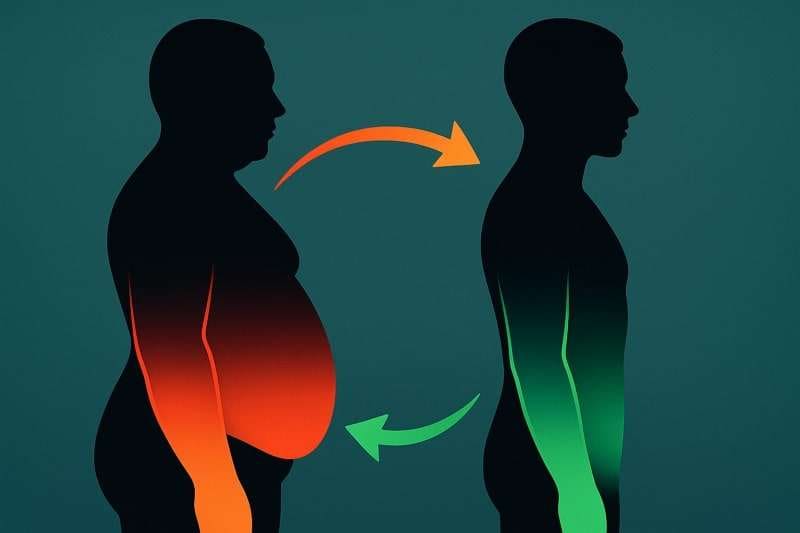
During fasting periods, insulin levels fall, and your body has to shift from burning mainly sugar from recent meals to stored fats. At the same time, lower insulin and improved hormone balance reduce constant fat storage and help control appetite. Whereas, people with obesity or diabetes sometimes see minor changes, and fasting is not automatically better than any other well-planned diet.
Part 2. Best Methods for Intermittent Fasting for Belly Fat
Some methods work faster than others, but the key is consistency and balancing your eating window with nutrients. Seeing results requires choosing the correct technique of intermittent fasting to lose belly fat, and the best ones are discussed below:
Popular Fasting Methods for Belly Fat
| Method | Fasting/Eating Pattern | Example Day/Week | Main Benefits |
| 16:8 | 16 hours fast, and 8 hours eat | Eat 12:00-20:00, while fasting 20:00-12:00 | Easier to live with; good evidence for weight and waist reduction. |
| 18:6 | 18 hours fast, 6 hours eat | Eat around 12:00-18:00, and fast from 18:00-12:00 | ber appetite control and calorie cut for some people. |
| 20:4 | 20 hours fast, and 4 hours eat (advanced level) | Main window 16:00-20:00 | Significant calorie reductions and longer fasting times boost fat use when done safely. |
| 5:2 Diet | 2 low‑calorie “fast” days per week | 5 days normal eating; 2 non‑consecutive days at ~500-600 kcal | Flexible weekly structure; shows meaningful weight and belly‑fat loss in some people. |
| Alternate‑day fasting (ADF) | Fast or approximately 500 kcal every other day | Day 1: Normal eating; Day 2: 0-500 kcal; repeat | It can produce larger fat‑mass reductions than some daily time‑restricted methods in trials. |
How to Choose the Method That Fits Your Lifestyle
If you’re someone struggling with intermittent fasting for a hormonal belly, the points below will help you choose the right approach:

- Match the Hours to Your Real Day: When your main social time is dinner with family, choose a window that comfortably includes it (eg, 12:00-20:00 on 16:8). Very tight windows like 18:6 or 20:4 can force you to skip or rush these meals.
- Start With the Least Strict & Build Up: Begin with a gentle schedule like 12:12 or 16:8 to allow your body and routine to adapt. Only move to 18:6, 20:4, or alternate-day fasting if you can eat balanced meals and want more structure.
- Check How Easily You Can Hit Proteins & Nutrients: The shorter your eating window, the harder it is to fit in enough protein and healthy fats. If a 4-6-hour window pushes you towards fast food, a slightly longer 16:8 might be better for belly fat.
- Watch How Your Body Responds:
| Lifestyle Pattern | Likely Easier Options | Possibly Too Strict at First |
| Late Family Dinners | 16:8 or 5:2 | 18:6, 20:4, or ADF |
| Early Dinners/Early Bed | 16:8 earlier window | Very late 16:8 or 18:6 |
| What to Notice | Positive Signs (Keep Going) | Negative Signs (Adjust or Get Help) |
| Energy & Focus | Stable energy and clear focus most of the day. | Constant brain fog, tiredness, and trouble concentrating |
| Hunger & Food Cravings | Manageable hunger and cravings are mostly under control. | Extreme hunger, feeling “out of control” at meal times. |
| Body Changes Over Weeks | Waist or weight is slowly trending down. | No change or rapid drop with feeling unwell. |
| Overall Well‑being | Mood mostly steady, sleep satisfied. | Dizziness, sleep problems; time to loosen plan or see an expert. |
Part 3. 7 Diet Tips for Intermittent Fasting to Lose Belly Fat
Intermittent fasting to lose belly fat is all about what you prefer to put on your plate. When your motive is sustainable fasting for belly fat loss, pair the provided tips and turn every meal into a fat-burning advantage:
1. Prioritize Protein at Every Meal
Proteins help you stay full, keep muscle, and burn a few more calories at rest. During your eating window, include a protein source in every meal or snack to avoid consistent snacking. To lose more fat from areas like the belly, you can incorporate the provided protein options:
- Eggs (2 large) = approx. 12g protein
- Greek Yogurt (1 cup) = nearly 15-20g protein
- Chicken Breast (100 g) = around 30g protein
- Lentils (1 cup cooked) = about 18g protein

2. Use a Calorie‑Deficit App
People think fasting must be working, but they’re still eating at or above maintenance. A calorie-deficit app like CalBye works as a professional macro tracker, making goals seem achievable. With its improved performance and latest updates, the app delivers a smoother onboarding flow. Most importantly, it automatically identifies your meal through a scan and provides instant meal and nutrient insights.
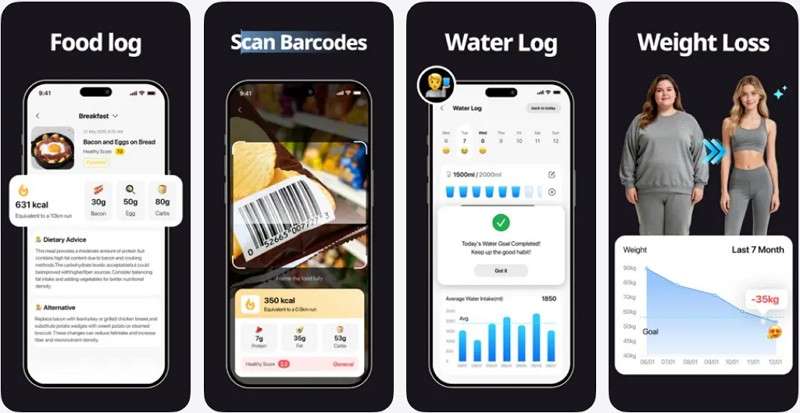
You're provided with a complete overview of your daily intake to help you make smarter choices toward your goal. It allows users to log meals manually, so there's no need to repeatedly scan them. The app's AI assistance scans food barcode labels and precisely outlines macros and nutrients. Besides this, it even logs your weight and daily water intake to analyze how nutrition and hydration affect your progress.
Key Features
- Daily Progress & History Tracker: You can review your calorie balance, nutrient intake, and long-term progress with clear, detailed chart reports.
- Delivers AI-Powered Recommendations: It provides data-driven suggestions to optimize your meals and achieve your nutrient and fitness goals more smoothly.
- Describe Your Meal with Text: The app allows diet-conscious people to enter their meals in detail to gain meaningful insights.







3. Drink Mostly Water or Tea (Low or No Calories)
Liquid calories are easy to overlook and can quietly block fat loss, especially around the waist. During the phase of intermittent fasting for belly fat, sugary and energy drinks can add up quickly without filling you. While fasting, stick to water, black coffee, or plain tea, and during the eating window, choose balanced, nutrient-rich drinks instead of high-calorie options to support steady fat loss.

4. Plan Your Meals to Avoid Panic Eating
If you open your eating window without a plan, it's natural to grab whatever is available, usually high-calorie foods. A pre-planned meal helps you stay calm, shop smarter, and reduces the chances of late-night snacks. When you keep simple, healthy staples like frozen vegetables, canned beans, and eggs on hand, planning is much easier.
For Example:
| Time | Plan |
| Breakfast 11:00 | Veggie omelet and toast |
| Lunch 15:30 | Greek yogurt with berries and a handful of nuts |
| Dinner 19:00 | Salmon, brown rice, and vegetables |
5. Avoid Constant Eating During Your Window
The concept of intermittent fasting to lose belly fat isn't about non-stop eating for 8 hours. For instance, if you snack the whole window, you can easily exceed your daily calories and stall fat loss. Try to have 2-3 proper meals (with protein and fiber) and, if needed, one planned snack.
6. Incorporate Regular Exercise for Strength Training
While fasting helps with calories, exercise helps your body decide what to lose: more fat or less muscle. Aim for:
- Most Days: Light movement like walking, cycling, or taking the stairs.
- 2-3 Days Per Week: Strength or resistance work (bodyweight, bands, or weights).
This combination supports a higher daily calorie burn and improves how your body looks and feels.

7. Make Small Changes You Can Repeat
Extreme changes (like jumping straight to a 20‑hour fast) are hard to maintain and often lead to burnout. Instead, focus on minor improvements you can repeat daily: a slightly tighter window, or one more serving of vegetables. Finally, these repetitive wins add up to visible changes in belly fat without feeling like a punishment.
Part 4. Intermittent Fasting Belly Fat Conclusion: Is It Right for You?
Intermittent fasting can help you lose belly fat, but it is not magic and not the best choice for everyone. For many, eating within a set window (like 16:8) makes it easier to consume fewer calories, which can eventually lead to losing belly fat.
Alternatively, studies also find that intermittent fasting is as effective as other lower‑calorie diets. If you try fasting and find that a moderate schedule with balanced meals, enough protein, and good sleep works well for you, continue following that routine.
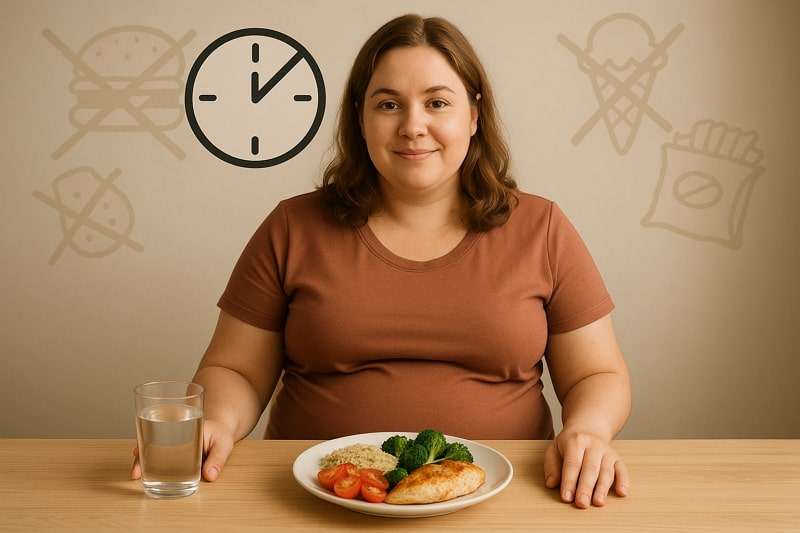
For instance, if your medical conditions make fasting risky or you feel weak, a doctor-guided alternative eating plan is recommended. Ultimately, it totally depends on your body and personal health because what works for you might not work for others.
Conclusion
In summary, tackling belly fat with intermittent fasting doesn't mean sticking to a timer; it means creating a sustainable routine. Throughout the article, you're guided on how to balance fasting hours, adopt healthy habits, and improve your metabolism with the proper methods. To make things easier, we've even introduced the CalBye to track food and make intermittent fasting a successful strategy.
FAQs
-
Why isn’t my belly fat reducing even with intermittent fasting?
Plateaus can occur due to hidden calorie intake, high stress levels, and even poor sleep. For this, you can track meals with the CalBye app and get sorted with adequate meal plans, which can even help reduce stress. -
Can I work out while doing intermittent fasting?
Indeed, you can exercise during fasting, but listen to your body and don't overdo it. However, most people prefer working out at the end of the fasting period so they can refuel afterward. In this context, light to moderate exercises can be considered and usually work best when starting. -
Can intermittent fasting affect hormones related to belly fat?
Even though fasting can improve insulin sensitivity and help balance hormones like cortisol (which play a role in fat storage). During the intermittent fasting for belly fat phase, extreme fasting and skipping meals can sometimes have the opposite effect.


