
![Beginner's Guide to Intermittent Fasting [2025]](https://images.wondershare.com/images2025/intermittent-fasting-01.jpg)

Intermittent fasting is a basic diet that focuses on the timing of eating rather than just food consumption. Therefore, many people use it to lose weight and improve metabolism. Nevertheless, there exist some hunger and safety myths that make healthy conscious minds worried.
You may wonder about it or be willing to do it, but knowing the ropes is the first step toward success. Here, we will discuss the benefits, demystify the myth, and demonstrate how to begin intermittent fasting with minimal effort.
In this article

Part 1. Overview of Intermittent Fasting: Meaning
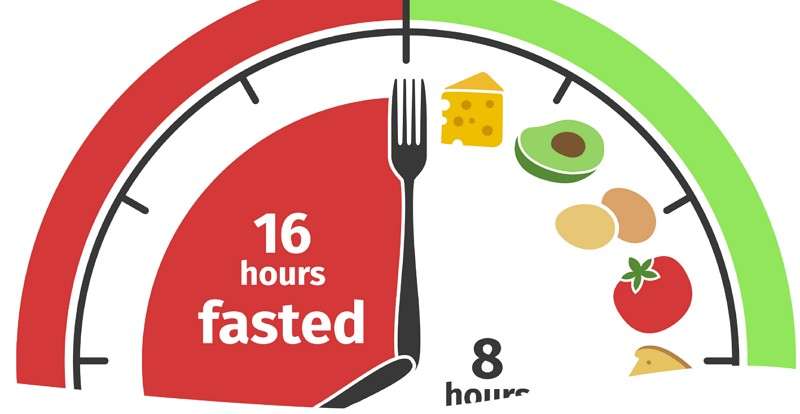
Intermittent fasting is a mode of eating in which one alternates between eating and fasting. Hence, it is not the type of food that you need to focus on, but the timing. Therefore, a regular regimen is 16 hours of fasting and 8 hours of eating.
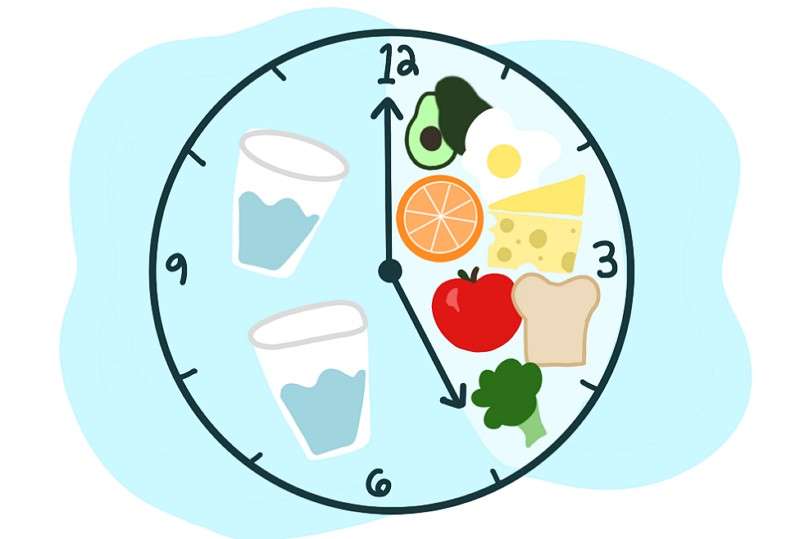
This is also accompanied by a schedule in which you take normal food 5 days a week and calorie restriction 2 days a week. Regardless of the routine, the approach has numerous benefits for the organism and can be used to manage weight and regulate hormones. Furthermore, it can reduce the chances of such diseases as diabetes, heart problems, and high blood pressure.
Brief History and Origin of the Practice
As you know, many users search for intermittent fasting, what it is, because they want to understand when it started and how. Thus, know that it has been part of human life for thousands of years. Early humans often faced periods without food, which naturally led to fasting. Moreover, ancient societies such as the Greeks and the Indians also fasted for health and purification, with spiritual growth as the aim.
The early physicians, including Hippocrates, also recommended this technique. That is why several approaches, including the 5:2 diet and time-restricted eating, are supported by the research nowadays.
Fasting vs Traditional Diets: Timing Over Calories
What began as survival and spiritual practice has now become a modern health approach. So, review the listed table and determine how this health pattern differs from ancient ways to assess its perks:
| Feature | Intermittent Fasting (Timing) | Traditional Diets (Calorie Counting) |
| Main Principle | Restricts when you eat through set fasting and eating windows | Restricts what and how much you eat by focusing on calorie limits |
| Popular Methods | 16:8, 5:2, alternate day fasting | Low fat, low carb, balanced, portion-controlled |
| Calorie Tracking | Not typically required | Essential for daily tracking of calories and macros |
| Simplicity | Higher because there are fewer rules on food choices | Moderate because it requires logging and label reading |
| Flexibility | Flexible on food type but structured by timing | Flexible on timing but structured by food quantity and type |
| Hunger Control | Hunger may be challenging during fasting hours | Balanced meals can help control hunger more consistently |
| Impact on Metabolism | May increase fat use during fasting periods, but this varies among individuals. | Metabolism may slow if calories are restricted too far below needs |
| Weight Loss Results | Generally similar to calorie-restricted diets when total calories match | Similar over time with steady moderate weight loss |







Part 2. Intermittent Fasting: Is It Healthy for Everyone?
Many health-conscious people often ask, "Is intermittent fasting healthy?" and this section explains the answer clearly. So, adhere to the given benefits and drawbacks of these eating patterns:
| Benefits of Intermittent Fasting | Potential Risks and Considerations |
| Helps burn fat and reduce body weight naturally. | People with diabetes may experience dangerous glucose drops. |
| Lowers blood sugar and insulin, helping prevent type 2 diabetes. | Skipping meals can minimize intake of vitamins and minerals. |
| Reduces blood pressure, bad cholesterol, and inflammation for a healthier heart. | Restrictive patterns may trigger binge eating in some people. |
| Boosts cell repair, reduces oxidative stress, and may slow aging. | Headaches, low energy, irritability, and trouble focusing can occur. |
| Lowers markers of chronic inflammation, protecting against various diseases. | Extended fasting or a low-protein diet can lead to muscle breakdown. |
| Supports nerve growth and may protect brain function. | Avoid fasting if you are young, pregnant, underweight, or have certain illnesses. |
| Keeps blood sugar stable and reduces hunger swings. | Timing medicines may need adjustment during fasting periods. |
| Often simpler than strict calorie-restricted diets. | Eating windows can clash with social events and family meals. |
Part 3. Intermittent Fasting: What Is It and How Does It Work?
Since intermittent fasting is about when you eat, not what you eat, your body undergoes various changes during fasting. So, to know how this eating pattern works and affects your body, review the given key points:
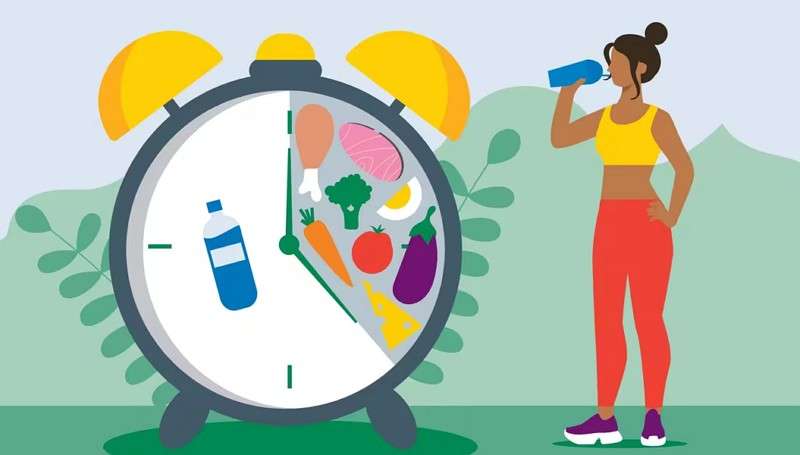
What Happens During Fasting
- Insulin Drops: Insulin levels are reduced, which signals your body to use some of your fat for energy when you are not eating.
- Autophagy: Cells begin to self-cleanse, repair, and decrease inflammation.
- Energy and Focus: When blood sugar remains stable during fasting, many people feel alert and focused.
Eating Window
After intermediate fasting, you eat in a controlled window, and having timely meals will give you the listed benefits:
- Regulates Hunger Hormones: Controls appetite and reduces overeating.
- Maintain Energy Levels: Keeps blood sugar stable for alertness and activity.
- Supports Metabolism and Overall Health: Boosts fat utilization, cell repair, and body function.
Popular Fasting Methods
| Popular Fasting Methods | Eating Pattern | Key Notes |
| 16:8 | Fast for 16 hours, eat for 8 hours | Daily routine, easy to follow |
| 5:2 | Eat normally for 5 days, low calories for 2 days | Flexible, good for calorie control |
| Alternate-Day Fasting | Fast every other day | Faster fat loss, more challenging |
How Meal Timing Affects You
- Eating at the right time helps maintain stable energy levels and improves focus.
- Helps prevent overeating during eating periods.
- Supports metabolic health and may improve sleep.
Part 4. Common Myths vs Facts You Need to Know for Intermittent Fasting
While learning about intermittent fasting, let’s debunk some myths related to this eating pattern:
| Myth | Fact |
| Fasting causes muscle loss | With enough protein, fasting keeps muscle and burns fat |
| Skipping breakfast slows metabolism | Skipping breakfast does not slow metabolism; the body adapts |
| Fasting leads to constant hunger | Hunger usually decreases over time; appetite may drop |
| Fasting is unsafe for everyone | Safe for most healthy adults; some groups should avoid |
| You can eat anything during eating windows | Quality food still matters for the best results |
| Fasting causes dangerous blood sugar drops for all | Most stay stable; people with diabetes should check first |
| Weight loss from fasting is just water | Early loss may be water, but fat loss happens too |
| Intermittent fasting is the same as starvation | Fasting is planned; starvation is involuntary and harmful |
Part 5. Intermittent Fasting - How to Incorporate It into a Busy Lifestyle
Now, if you are determined to incorporate intermediate fasting in your busy lifestyle, here are some tips you can follow:
1. Achievable Fasting Windows
Start with easy-to-follow patterns, such as 12 or 14 hours, and skip or delay breakfast. With this approach, most of your fasting will occur while you sleep, reducing hunger. Additionally, choose a window that suits your work, school, and office hours to get the best results.
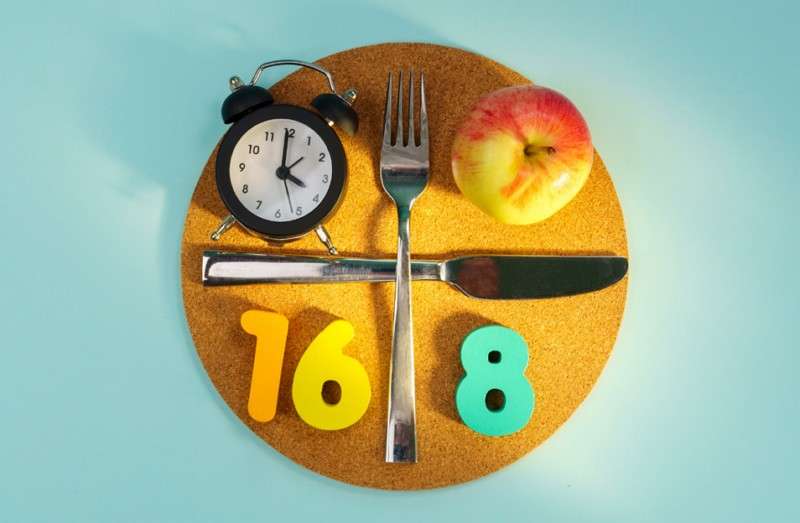
For Example, if you sleep from 10 PM to 6 AM, you can start fasting at 8 PM and break your fast at 8 AM, for a total of 12 hours.
2. Plan Meals Around Your Schedule
As you choose the right eating window, plan the meals around your schedule to make fasting easier and prevent stress. So, here is the quick sample overview of the eating window that you can follow to plan meals:
| Daily Schedule | Suggested Eating Window | Notes |
| Standard 9–5 Work | 12 PM – 8 PM | Covers lunch, dinner, and snacks |
| Early Morning Shift (6 AM – 2 PM) | 8 AM – 4 PM | Includes breakfast and lunch, avoids skipping meals |
| Evening Social Life (6 PM – 10 PM) | 2 PM – 10 PM | Allows dinner and social events without breaking fast |
| Flexible/Remote Work | 10 AM – 6 PM | Adjust based on meetings and personal preference |
3. Meal Prep in Advance
Since you now understand the intermediate fasting meaning and eating window, it is also recommended to pack meals or snacks ahead of your eating window. This will ensure fast access to nutrient-rich food and minimize fast food or missed meals.
4. Use Calorie Tracker for Accurate Results
When you have interfered with your eating window but still need to follow the planned meals, consider tracking calories to control portions. For that, apps like CalBye offer AI assistance, letting you take images of food and get instant results. Additionally, you can use its nutrient tracker to monitor micro and macronutrients. Being AI-powered, it also leverages the AI Chat feature to help users get detailed insights.
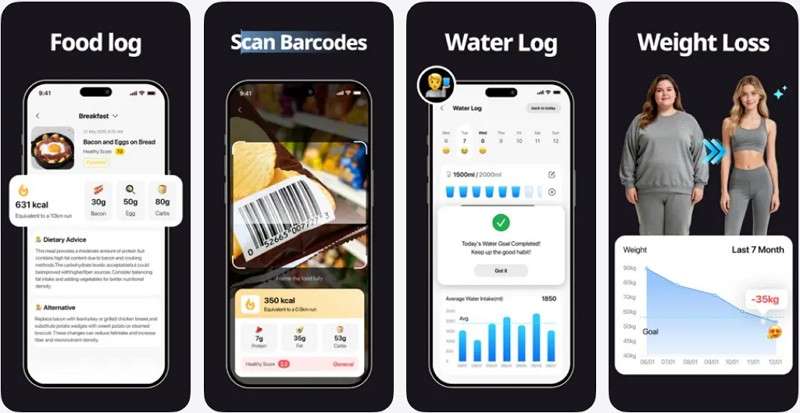
Furthermore, it can scan packaged food thanks to its intuitive barcode reader. What makes this application unique from others is that you can also use it to track water intake, which is key to intermediate fasting. In addition, you can easily use this app on Android and iOS, where you can add the calorie logs and suggested meals to favorites.
5. Be Flexible
Adjust fasting hours during travel, night shifts, or family obligations. Additionally, if you fast for shorter periods for a day or two, that's fine too. However, long-term consistency matters more than a perfect easting window, so stick to the plan.
6. Leverage Natural Fasting Times
On the quest to learn about intermittent fasting, choose fasting periods when hunger is naturally lower, such as during the morning or late afternoon. You can also align fasting with busy work hours or commute time to reduce the temptation to snack.

7. Stay Hydrated and Listen to Your Body
Last but not least, drink water properly and track your intake with CalBye, your go-to companion. Additionally, if fatigue, dizziness, or low concentration occur, adjust the fasting schedule to avoid adverse health effects.
Conclusion
In summary, many health-conscious people now lean towards intermittent fasting to control hunger and maintain balance. However, common myths create misconceptions, which this guide discusses in detail. So, review the article and learn how apps like CalBye can help you balance your eating window during the fasting period.
FAQs
-
Can I drink coffee or tea during fasting hours?
Yes, plain coffee or plain tea may be taken during fasting time, but without milk, sugar, or cream. These beverages do not violate the fast as long as they are not added to any additives or flavorings that contain calories. -
How long does it take to see results from intermittent fasting?
Within two to four weeks of fasting, most people report better body weight, energy, and metabolism. The long-term gains, losing fat and improving health, can only be achieved through regular fasting over a few months. -
Can I exercise while fasting, and is it safe?
Light or moderate exercise, such as walking or stretching, is generally safe for healthy adults during fasting. Stop activity immediately if you feel dizziness, weakness, fatigue, or any unusual discomfort during fasting hours.

