


Quick Answer: Calorie deficit but not losing weight often happens due to underestimated portions and similar hidden factors. As a helpful solution, CalBye offers nutritional insights and healthier food suggestions.
In your fitness journey, there comes a point when you think you’re doing everything right, yet you see no results. A calorie deficit without weight loss is a common issue people often face, even after staying committed. This moment of confusion makes you question your plan, your metabolism, and even your motivation.
At this point, people start looking for answers because clearly something more profound is happening beneath the surface. For better guidance and more innovative strategies, keep reading the guide to disclose proven tips and some of the best recipes to try.
In this article

Part 1. Calories Deficit but Not Losing Weight? Here’s Why You’re Stuck
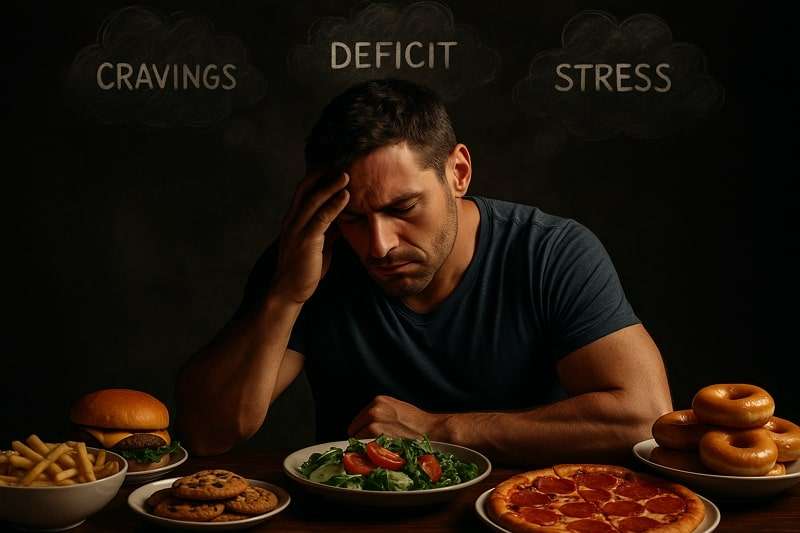
Remember that weight loss is not always automatic in a calorie deficit because the body constantly adapts to certain factors. You think you’re eating less and still not losing weight because, during your journey, some short-term changes can hide fat loss. Factors include metabolism shift, changes in water and glycogen, or hormones that regulate hunger. On top of everything, people unintentionally miscount food, forget drinks, or compensate by moving less.
| Factors Involved | What It Does | Why Weight Loss Stuck |
| Metabolic Slowdown | As you lose weight, your body burns fewer calories (metabolic adaptation). | The previous deficit becomes maintenance, so the scale stops moving. |
| Hormonal Changes | Leptin and thyroid drop, hunger hormones and cortisol increase. | Hunger increases and metabolism slows, making it hard to sustain the deficit. |
| Hidden Calories | Oils, snacks, and drinks are often under‑tracked. | Extra, uncounted calories erase the small daily deficit you planned. |
How Weight Loss Is Not Only About Eating Less, but Tracking Intelligently?
Note that weight loss isn’t only about eating less; it's about measuring and adjusting a consistent energy deficit. With food scales, tracking apps, and more frequent data review, it's easier to spot and address hidden challenges. Consistent tracking builds awareness and accountability, which research links to better long-term weight loss or maintenance.
Part 2. Eating Less but Not Losing Weight: Common Pitfalls to Avoid
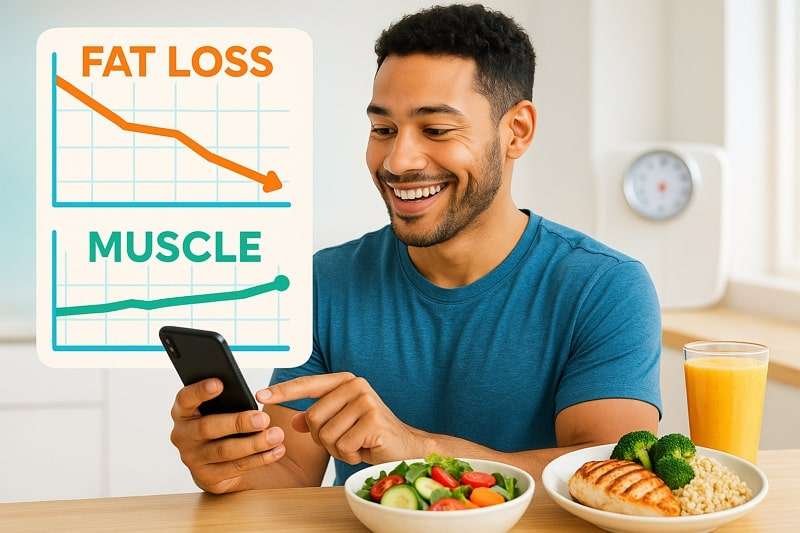
Eating in a deficit but not losing weight is often the result of how the body adapts to perceived restrictions. Consuming a few calories over a prolonged period can trigger metabolic adaptation, leading to an unexpected drop in resting metabolic rate. This means your body burns fewer calories at rest, turning initial deficit into maintenance rather than faster fat loss.

At the same time, common behavioral pitfalls silently remove the deficit that people think they have. Many overestimate how many calories they burn in a workout, then reward themselves with more calorie-dense treats. Cherry on top, hidden calories from drinks, sauces, and healthy snacks accumulate throughout the day. This way, the total intake exceeds what is tracked, preventing a real energy deficit.
Common Pitfalls & How They Stall Weight Loss
Have an overview of pitfalls that create the illusion that “I eat less but still fat,” for effective adjustments accordingly:
| Overlooked Pitfalls | What Happens | Why Weight Loss Stalls |
| Eating Too Few Calories | Metabolism adapts and burns fewer calories at rest. | Extreme restriction periodically turns an initial deficit into a maintenance problem. |
| Overestimating Exercise Burn | Workouts are assumed to burn far more calories than they do. | Extra “reward” food replaces or exceeds calories actually burned. |
| Hidden Drinks and Sauces | Liquid calories and condiments are rarely measured | These unnoticed calories erase a small daily deficit. |
| Healthy but Dense Snacks | Nuts, bars, smoothies, and baked goods pack many calories | Easy to overeat, quietly adding hundreds of calories every day. |
| Low Daily Movement | Dieting and fatigue reduce daily movement/steps. | Total daily energy expenditure falls, reducing the calorie deficit. |
Part 3. Eat Healthy, But Still Not Losing Weight? Tips That Actually Work
Slight adjustments in how you eat, move, and recover can have a significant impact on the factors that hold you back. If you think you’re eating fewer calories but not losing weight, follow the tips and make your effort count:
1. Prefer Portions and Protein
Swapping ultra-processed foods for whole foods can be a b start, but weight loss depends on portion size. A hefty serving of nuts, avocado, or clean desserts can quietly push you over your needs. Center each meal around lean protein to increase fullness and support a higher metabolism as you lose fat.

2. Move More Outside the Gym
A single workout is only a slice of daily energy output; most calories are burned through non-exercise activities like walking. Intentionally increasing steps, using stairs instead, and extended sitting periods can add hundreds of calories burned per day. Over weeks, these small movements compound into thousands of extra calories burned, without aggressive dieting.
3. Make Use of the Calorie Deficit App
An application like AI Calorie Counter - CalBye turns “I don’t eat a lot, but I’m fat” into precise numbers by logging meals. It goes beyond simple counting and works as a nutrition tracker, understanding the composition of each meal. From identifying cuisines to estimating portions, its AI delivers personalized nutrition insights based on your health profile. Essentially, it examines your eating patterns and offers tips to optimize protein intake and make healthier swaps.
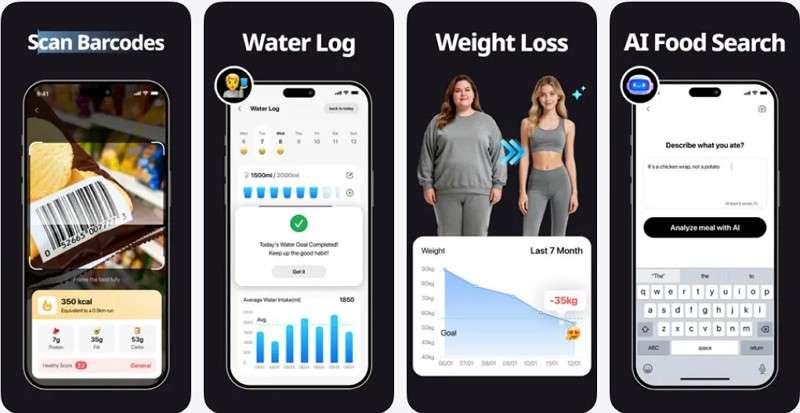
Through a simple barcode scan, you can receive a breakdown of macronutrients and micronutrients for many famous food items. Most importantly, it logs your weight and daily water intake for visual analysis of how nutrition and hydration affect your progress. Fitness freaks can even set reminders and track trends to support healthier habits and stay in deficit. Regardless of your goal, the app keeps you motivated and confident to keep going.
Key Features
- Daily Progress & History Tracker: The app lets you track trends over days, weeks, and months to stay on track with your fitness goals.
- Search for Dietary Meals: You can look for specific dietary meals or food items and log them for later calorie analysis.
- Manual Text Entry for Food: To analyze a meal with AI, you can describe your food preferences in text and get detailed insights.







4. Improve Sleep and Manage Stress
Chronic short sleep and high stress disrupt appetite hormones, making you hungrier and more likely to crave sugary foods. It's been observed that people who sleep 6-8 hours and experience lower stress lose more weight during fitness programs.

5. Plan Higher Volume Meals
Build meals around high-fiber vegetables, whole grains, and lean proteins that allow you to fill more and eat larger. This “high‑volume, low‑calorie” strategy makes it easier to stick to your targets long term. The possibility is that you feel physically full and less tempted to overeat energy-dense foods.
Part 4. Eating Low Calories but Stalled on Weight Loss? Try These Recipes
Many wonder, “I eat less but still fat," but the reality is that not consuming the proper foods can help reset the metabolism. If you're among them, explore the following section and try some easy-to-make recipes, supporting fat loss:
1. Chicken and Broccoli Stir‑Fry Bowl
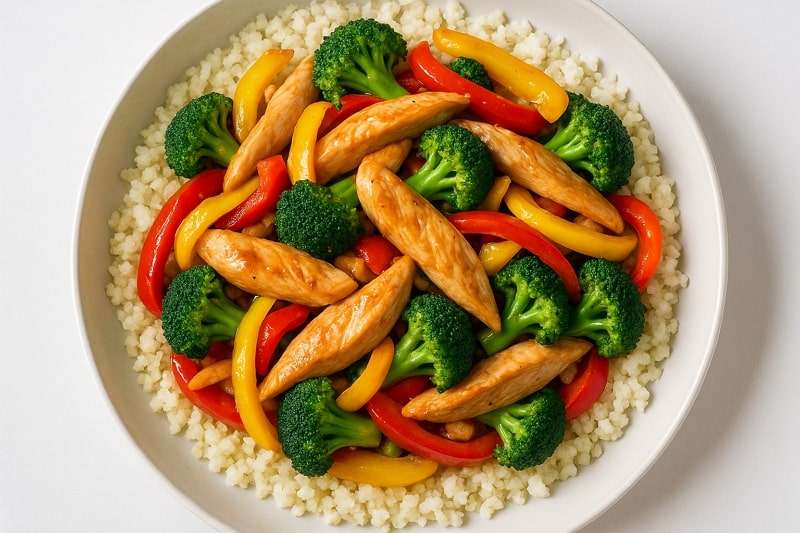
Strips of chicken breast stir‑fried with broccoli and bell peppers in a light garlic‑soy sauce, served over cauliflower rice. It's a massive plate of volume and protein, ideal when you are hungry but watching calories.
| Ingredients | Estimated Amount | Approximate Calories |
| Chicken Breast | 100g cooked | 165 kcal |
| Broccoli | 100g | 35 kcal |
| Bell Peppers | 50g | 15 kcal |
| Light Soy Sauce | 15 ml (1 Tbsp) | 10 kcal |
| Cauliflower rice | 150g | 35 kcal |
| Total Meal Count | 260 kcal |
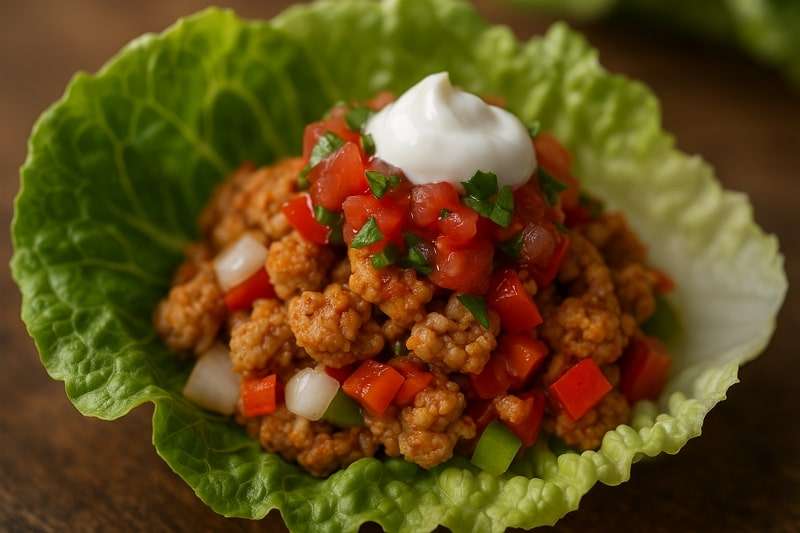
2. Turkey Lettuce Taco Cups
Lean ground turkey sautéed with taco seasoning, onions, and peppers, spooned into crisp lettuce “cups.” Topped with a bit of salsa and Greek yogurt, offers taco flavor with far fewer calories than tortillas.
| Ingredients | Estimated Amount | Approximate Calories |
| Lean Ground Turkey | 90g cooked | 150 kcal |
| Onion and Peppers | 60g combined | 20 kcal |
| Taco Seasoning | 5g | 15 kcal |
| Lettuce Leaves | 4 large | 10 kcal |
| Salsa | 30g | 10 kcal |
| Greek Yogurt | 30g (2 Tbsp) | 20 kcal |
| Total Meal Count | 225 kcal |
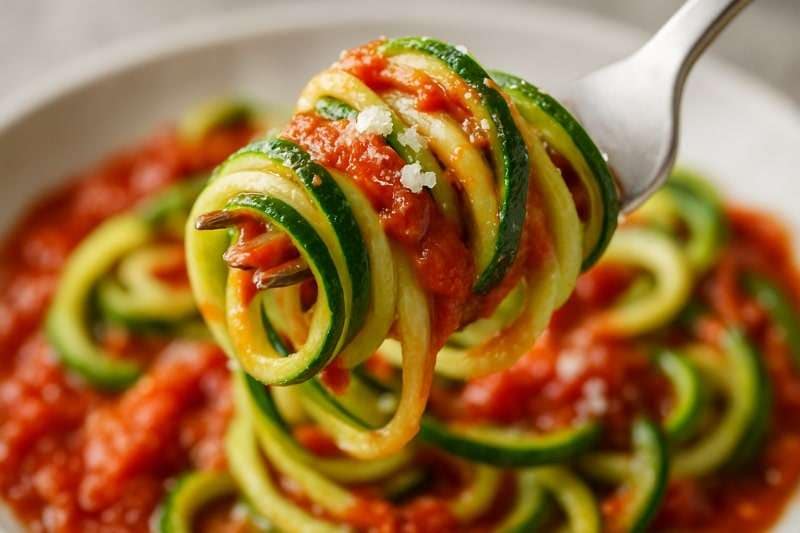
3. Zucchini Noodles Marinara
Spiraled zucchini, lightly sautéed, tossed with a simple tomato-garlic marinara and a sprinkle of grated Parmesan. It offers a satisfying pasta bowl experience while overcoming the fear of eating low-calorie food and not losing weight.
| Ingredients | Estimated Amount | Approximate Calories |
| Zucchini Noodles | 200g | 35 kcal |
| Marinara Sauce | 100g (½ cup) | 70 kcal |
| Olive Oil | 5 ml (1 tsp) | 40 kcal |
| Parmesan Cheese | 5g | 20 kcal |
| Total Meal Count | 165 kcal |
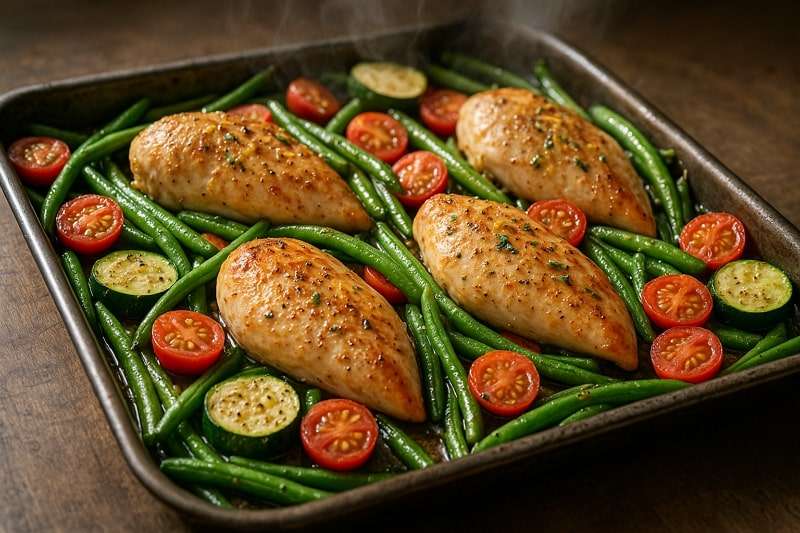
4. Baked Lemon Herb Chicken Traybake
Chicken breast baked on a tray with green beans, cherry tomatoes, and zucchini, lightly brushed with olive oil. Further dressing includes lemon juice, garlic, and herbs, combined as an easy one-pan dinner that’s lean and satisfying.
| Ingredients | Estimated Amount | Approximate Calories |
| Chicken Breast | 120g cooked | 200 kcal |
| Green Beans | 80g | 28 kcal |
| Cherry Tomatoes | 60g | 12 kcal |
| Zucchini | 60g | 10 kcal |
| Olive Oil | 5ml (1tsp) | 40 kcal |
| Lemon and Herbs | — | Approx 5 kcal |
| Total Meal Count | 295 kcal |
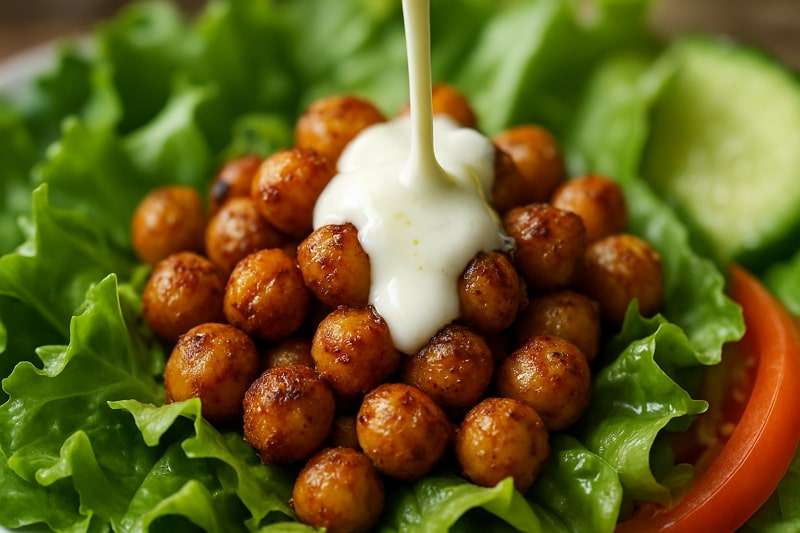
5. Spiced Chickpea Salad Bowl
Roasted chickpeas with paprika and cumin over mixed salad leaves, cucumber, peppers, and red onion. When it's dressed with light yogurt-lemon dressing, it serves as a plant-based, high-fiber complete meal.
| Ingredients | Estimated Amount | Approximate Calories |
| Cooked Chickpeas | 70g | 120 kcal |
| Mixed Salad | 50g leaves | 10 kcal |
| Cucumber | 40g | 6 kcal |
| Bell Pepper | 40g | 12 kcal |
| Red Onion | 15g | 6 kcal |
| Yogurt Dressing | 30g | 20 kcal |
| Total Meal Count | 174 kcal |
Conclusion
In summary, even when you’re careful with your meals and staying active, being in a calorie deficit doesn’t always guarantee weight loss. Plateau happens, and you leave confusion like “calorie deficit but not losing weight”, often pointing to hidden factors. The query may feel serious, but the solution is more straightforward and can be supported by using CalBye to view a detailed nutrient breakdown.
FAQs
-
Why am I eating 1500 calories a day and not losing weight?
1500 calories a day and not losing weight points to factors beyond just calorie intake. Your body might be holding onto water or glycogen, or your metabolism could have slowed due to prolonged dieting. -
What are the signs that my calorie deficit is working?
Signs that your calorie deficit is working go beyond just the number on the scale. You may notice gradual, consistent weight loss over time, reduced body measurements, or looser-fitting clothes. Increased energy levels, better sleep, and improved mood can also indicate your body is adjusting positively. -
How to tell if your calorie deficit is too much?
People might think their calorie deficit has gone too far, especially if they’re eating less but not losing weight. Signs that your deficit is too extreme include constant fatigue, poor sleep, and weakened immunity. You might also notice stalled weight loss, muscle loss, or decreased performance in workouts.


