


The 16:8 intermittent fasting technique provides individuals with a convenient way to form a healthier everyday habit. You starve for 16 hours and confine all your food to 8 hours. Therefore, this plan is liked by many individuals because it seems flexible and practical on busy days. It needs no strict diet, just a clear pattern that supports better weight control and steady energy.
If you want to know how to incorporate it into your schedule, review this guide for details on this eating pattern. This guide explains how the 16:8 method works, why it helps many users, and how anyone can start with confidence.
In this article

Part 1. 16:8 Intermittent Fasting: What It Really Means
The 16:8 plan means you select 8 hours of the day to eat, then do not eat for the remaining 16 hours. The intermittent fasting 16:8 allows you to drink water, tea, or black coffee. Unlike most people who skip breakfast but eat lunch and dinner, you should choose a window that is convenient for you.
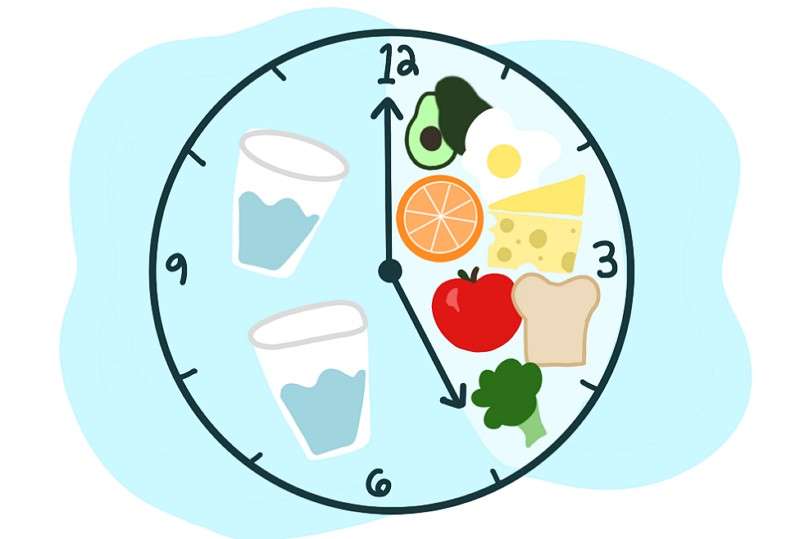
Regardless of the patterns, by not eating for 16 hours, your body has enough time to use stored energy rather than new calories. Therefore, this change can help reduce blood sugar levels, lower insulin levels, and increase fat burning. Besides, this rhythm gives your system a clear break from constant eating and helps it work more efficiently over time.
How 16:8 Intermittent Fasting Differs from Other IF Methods
Besides 16:8 intermittent fasting, there are many fasting styles, each shaping your routine differently. So, if you want to know how each one differs in terms of goals and timing, review the listed table:
| IF Method | Eating or Fasting Schedule | Typical Meals | Difficulty Level | Best For | Key Difference |
| 16:8 | 8-hour eating and 16-hour fasting (daily) | 2 to 3 meals in 8 hours | Easy to Moderate | Beginners and daily routine | Simple timing pattern and easy to maintain |
| 14:10 | 10-hour eating and 14-hour fasting (daily) | 2 to 3 meals in 10 hours | Easy | New starters | Shorter fast with gentle results |
| 5:2 | Normal eating on 5 days and reduced calories on 2 days | Normal meals on non-fasting days | Moderate | People want flexible weekly control | Calorie restriction on two days rather than daily fasting |
| Alternate Day | Normal eating every other day and limited calories on alternate days | Normal meals on regular days and a small meal on fasting days | Hard | Experienced users | Fasting is based on alternating days with very low-calorie intake |
| 18:6 | 6-hour eating and 18-hour fasting (daily) | 1 to 2 meals | Moderate | Busy schedules and consistent fasters | Longer daily fasting window for deeper fat use |
| OMAD | One meal a day (23-hour fast and 1 hour eating) | One meal | Very Hard | Advanced users | Eating is restricted to one main daily meal |







Part 2. Intermittent Fasting 16:8 | 5 Health Benefits Explained
Given the fact that IF 16:8 is the easiest to adhere to, the following are some of the benefits that you can enjoy, provided you do it right:
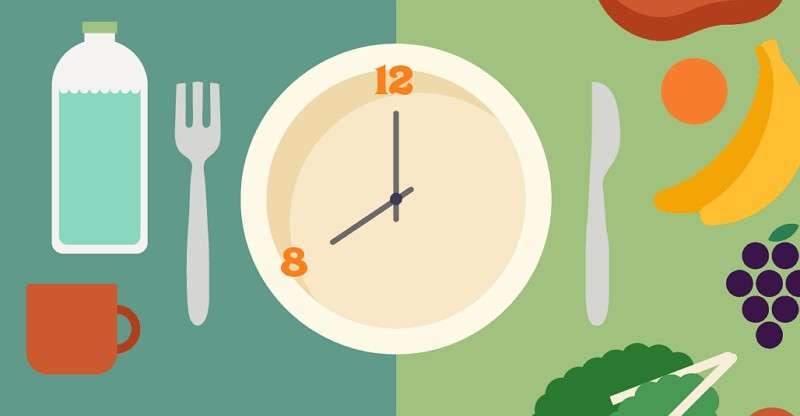
- Weight Loss/Fat Reduction: This diet restricts your food intake to 8 hours a day, and the total calories burned are typically reduced. Therefore, your body fails to obtain fresh energy from food at this time, so it uses stored fat as a source of energy, gradually burning it down.
- Improved Blood Sugar and Insulin: Studies show that the 16:8 pattern may help your body use insulin more effectively, helping keep your blood sugar at a normal level. Furthermore, daytime eating aligns with your body's natural clock, enhancing your ability to handle food.
- Less Inflammation: Chronic inflammation associated with heart disease and obesity also decreases when you eat with time constraints. Therefore, reduced inflammation helps in maintaining good health and energy levels.
- Better Cardiovascular Health: Individuals on a 16:8 fasting diet often experience better blood pressure, cholesterol, and triglycerides. These exercises are beneficial to the heart and can reduce the risk of developing heart disease in the long run.
- Cellular Repair and Healthy Aging: This routine also activates a natural process called autophagy, which helps the body clear out old or damaged cells and replace them with healthier ones. Thus, this supports better internal repair and may promote longer, healthier aging.
Part 3. How to Start Safely 16:8 Intermediate Fasting - Detailed Guide
To make a 16-hour fast possible, here is a simple and effective flow chat pattern you can follow:
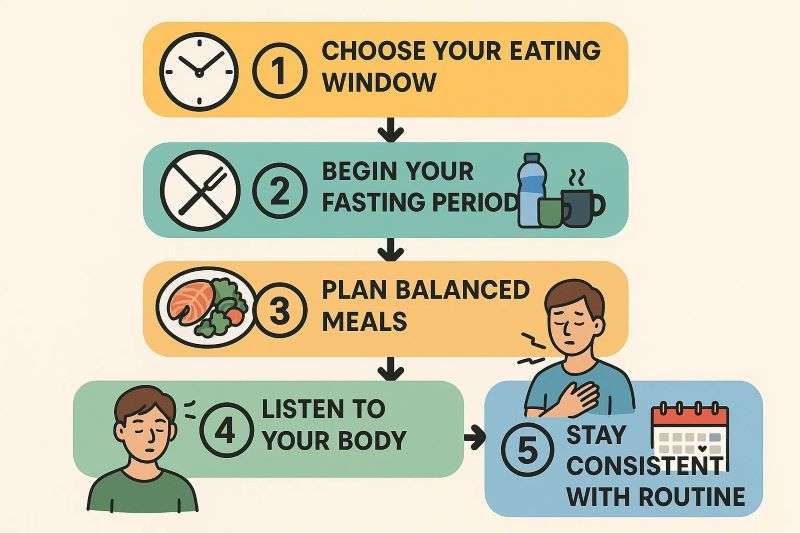
Step 1. Choose Your Eating Window
Select an 8-hour time window during your day to consume all your meals. For example, you may select 12 pm-8 pm, 10 am-6 pm, or 9 am-5 pm, whichever suits you. Therefore, this window will dictate when you eat and when you fast.
Step 2. Begin Your Fasting Period
Since the fast will be 16 hours, you should not eat anything during this time. Instead, drink water, black coffee, or herbal tea to stay hydrated and feel less hungry. Besides, it is necessary to avoid high-calorie drinks, as fasting enables your body to utilize stored energy in the form of fat and to activate cellular repair mechanisms.
Step 3. Plan Balanced Meals
Within 8 hours of eating, make sure you are preparing healthy, balanced meals. In that regard, aim to incorporate protein, fiber, and healthy fats to provide the nutrients your body needs to keep you full until the next fast. Therefore, in case you want some of the best meal deals, keep reading the guide.
Step 4. Listen to Your Body
You should constantly monitor your body during fasting and eating windows and be aware of symptoms such as dizziness, fatigue, or excessive hunger. When you are not okay, you can stop fasting and change your schedule because all bodies are different.
Step 5. Stay Consistent with the Routine
Adhere to the 16:8 routine daily or on days that fit your schedule. Also, consistency helps your body adjust more easily, supports weight management, and may have other health benefits.
Tips for Minimizing Hunger and Fatigue
Within the 16:8 intermittent fasting schedule, here are some tips you can follow to limit side effects on your body:
- Use water, tea, or black coffee during fasting to help you stay hydrated and reduce hunger.
- Consume foods rich in fiber and protein to feel fuller.
- Sugar and processed foods should be avoided to avoid blood sugar spikes and additional hunger.
- Have balanced meals rather than sugary or heavy foods to maintain steady energy.
- Keep yourself occupied with work, activities, or light exercise to distract yourself from hunger.
Part 4. 16:8 Fasting Daily Routine and Timing Examples
Now that you know how to start 16-hour intermittent fasting, review this section and learn about food options and eating window examples you can follow:
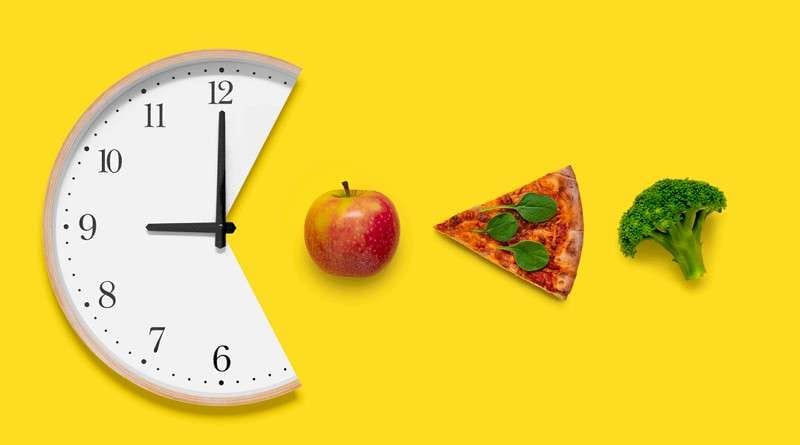
5 Meal Suggestions During The 8-Hour Window
Breakfast-Lunch Combo (Brunch)
- 2 boiled eggs + 1 slice whole-grain toast + 1 cup fruit salad
- 350–400 calories
Grilled Chicken Salad
- 100g grilled chicken + mixed greens + cherry tomatoes + olive oil dressing
- 300–350 calories
Vegetable Stir-Fry with Quinoa
- 1 cup cooked quinoa + mixed vegetables sautéed in 1 tsp olive oil
- 400 calories
Greek Yogurt with Nuts and Berries
- 1 cup Greek yogurt + 1 tbsp. almonds + ½ cup mixed berries
- 250–300 calories
Whole-Grain Wrap with Lean Protein
- Whole-grain wrap + 80g turkey or chicken + veggies + 1 tsp hummus
- 350–400 calories
Strategies for Workdays vs Weekends
| Strategy Type | Workdays | Weekends |
| Eating Window | Stick to a set window (e.g., 12–8 pm) for routine | Adjust timing for social events or family meals |
| Meal Prep | Prepare meals/snacks in advance for busy days | Enjoy creative, varied meals; try new recipes |
| Snack Choices | Opt for healthy, portable snacks at work | Include treats or brunch within your eating window |
| Hydration | Keep water/herbal tea handy throughout work hours | Stay hydrated during activities and relaxation |
| Flexibility | Maintain structure to support energy and focus | Allow flexibility, but stay within the 8-hour window |
Part 5. 16:8 Intermittent Fasting Schedule: Plan Your Week
By now, if you are determined to fast 16 hours a day, here is a sample weekly plan you can follow:
- Eating Window: 12:00 pm – 8:00 pm (adjust if needed for work or social events)
- Fasting Window: 8:00 pm – 12:00 pm the next day
| Day | Meal 1 (Brunch) | Meal 2 (Lunch) | Snack | Meal 3 (Dinner) |
| Monday | 2 boiled eggs + whole-grain toast + fruit | Grilled chicken salad | Greek yogurt + berries | Quinoa + veggie stir-fry |
| Tuesday | Oatmeal + nuts + banana | Turkey wrap with veggies | Handful of almonds | Grilled fish + steamed veggies |
| Wednesday | 2 scrambled eggs + avocado + whole-grain bread | Chickpea salad | 1 cup mixed fruit | Chicken stir-fry with brown rice |
| Thursday | Smoothie (protein, spinach, banana) | Lentil soup + whole-grain bread | Carrot sticks + hummus | Baked salmon + salad |
| Friday | Greek yogurt + berries + seeds | Grilled chicken + quinoa salad | Handful of nuts | Veggie omelet + toast |
| Saturday | 2 boiled eggs + fruit | Turkey or chicken wrap | Greek yogurt + berries | Grilled veggies + lean protein |
| Sunday | Oatmeal + nuts + fruit | Grilled fish + veggies | Handful of almonds | Quinoa salad + boiled eggs |
Tips for the Week
- Drink plenty of water or tea during fasting hours.
- Focus on high-protein, high-fiber meals for fullness and energy.
- Monitor your body and adjust fasting or meals if needed.
- Stay consistent but allow small flexibility for social events or weekend routines.
Part 6. Fasting 16 Hours a Day: 5 Common Mistakes to Avoid
While following the intermittent fasting diet plan 16:8, here are some common points you can try avoiding to get the best results:
1. Overeating During the Eating Window
Some people overeat during the 8-hour window, thinking they can eat as much as they want. However, in reality, it can stop weight loss and cause digestive discomfort. Therefore, it's best to keep track of calories, especially when you are too hungry and fear overeating. In this case, apps like CalBye can assist with AI-powered calorie counting just by taking an image of the food.
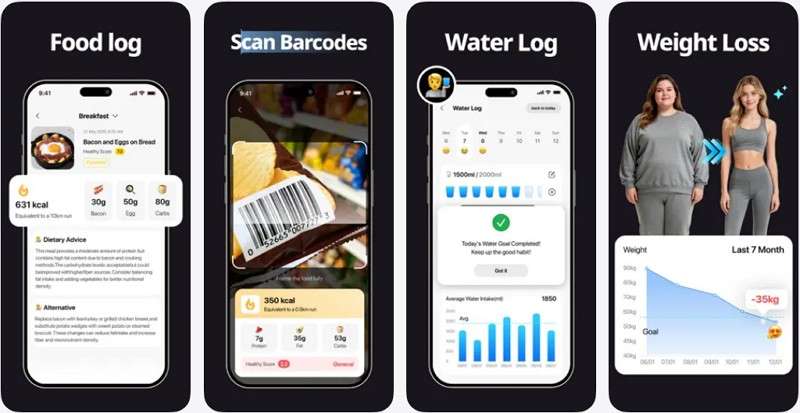
Users can use it to scan the micro and macronutrients to determine whether the food is healthy. The app is available on both Android and iOS and lets you chat with AI to get detailed insights. Additionally, the application features a barcode scanner for scanning packaged food on the go. The AI gives you tailored suggestions that you can add to favorites and include in your 16:8 eating window.
2. Ignoring Hydration
Not drinking enough water can increase hunger, tiredness, and headaches. Therefore, drink water, herbal tea, or black coffee without sugar or cream to avoid dehydration. You can also use the CalBye app, which notifies you of your water intake as you enter your BMI details.
3. Starting Fast Too Fast
If you jump straight into 16-hour fasts without practice, you may experience extreme hunger, irritability, and fatigue. So, start with shorter fasting periods and gradually extend to 16 hours, as this helps your body adjust safely.
4. Choosing Unhealthy Foods
When you eat junk, sweets, or processed foods during the eating window, it lowers energy and slows progress. Thus, focus on lean proteins, vegetables, whole grains, and healthy fats for the best results.
5. Skipping Meals or Eating Too Little
If a person eats too little or skips meals, it can slow metabolism, lead to muscle loss, and cause overeating later. Therefore, it's better to eat enough calories in balanced meals to stay b and maintain health.
Conclusion
To sum up, if you want detailed information on 16:8 intermittent fasting, this article has uncovered all the facts. So, review them and determine how you can add these eating patterns to your busy schedule. Also, adhere to the mistakes you need to avoid and how to control eating with CalBye. Get tailored suggestions and plan meals that help you achieve goals easily.
FAQs
-
Is 16:8 intermittent fasting safe for everyone?
16:8 fasting is safe for most healthy adults without medical conditions. People with diabetes, low blood pressure, or pregnancy should consult a doctor before starting fasting. -
Can 16:8 fasting affect sleep or energy levels?
Some people feel tired or hungry in the first few days of fasting. Hence, balanced meals and sufficient water during the eating window help maintain energy and a good night's sleep. -
How does 16:8 fasting impact hormones?
Fasting for 16 hours lowers insulin levels and supports fat burning. It also increases growth hormone, which helps metabolism, muscle maintenance, and overall energy levels.

