


If you have ever felt like diets don't work no matter what you try, intermittent fasting to lose weight fast might be your solution. Just limit your eating to 8 hours and fast for 16 hours, and drink low-calorie drinks to get instant results. This simple routine will boost your metabolism and help you burn fat naturally.
If you want to know how fasting works and how to choose the right method, this guide is for you. Here, you will learn about famous fasting styles and healthy foods you can add to maximize weight loss results safely.
In this article

Part 1. How Intermittent Fasting Works to Lose Weight Fast
How does this pattern work in case you wish to attempt intermittent fasting for weight loss? Be aware that it helps your body use fat as energy, increasing metabolism. After periods of fasting, insulin levels drop, and your body burns fat rather than sugar. Also, when you eat in a predetermined period of time, it automatically reduces the calorie content.

In this way, you can lose more weight, and your energy levels remain stable throughout the day. So, since you know that fasting helps you lose weight, you need to observe how this applies to your weight loss over time. Short-term and long-term effects can vary, so know the difference via the listed table to set realistic goals and expectations:
| Aspect | Short-term Weight Loss Effects | Long-term Weight Loss Effects |
| Main Change on the Scale | Rapid drop at first (mostly water and some fat). | Slower, more minor weekly loss, but more likely to be mostly body fat. |
| Metabolism | It can drop quickly when calorie intake is very low (e.g., on crash diets). | Ongoing metabolic adaptation makes maintenance harder but is usually milder when loss is gradual. |
| Body Composition | Higher risk of muscle loss only if protein or training is too low. | Better chance of preserving muscle if combined with protein and exercise. |
| Health Markers (Blood Sugar, Blood Pressure, Cholesterol) | Often improve quickly in the first weeks to months. | Benefits can be larger and more stable if weight is kept off for years. |
| Side Effects and Risks | Fatigue, dizziness, and mood changes can occur with aggressive diets. | Risk of regaining if habits don’t change; chronic restriction can also slow metabolism and affect mood. |
| Weight Regain | Very common once the strict diet stops; many people regain it quickly. | Regain is still possible, but sustainable habits (diet, activity, sleep) improve the odds of keeping weight off. |
| Lifestyle and Habits | Often relies on strict rules that are hard to maintain. | Focuses on long-term eating, movement, and behavior changes you can live with. |







Part 2. Intermittent Fasting for Weight Loss: 5 Proven Health Benefits
While knowing about intermittent fasting weight loss diet details, adhere to some of its benefits too:
- Weight Loss and Fat Burn: It creates regular periods without food, which reduces total calorie intake. Moreover, IF leads to gradual weight loss, like other diets with the same calorie intake. During fasting, the body uses stored fat for energy once glucose levels drop, which supports steady fat reduction and helps reduce the waistline over time.
- Improved Blood Sugar and Insulin Sensitivity: When there is a break between meals and no late-night snacks, the body responds more effectively to insulin. This reduces fasting sugar levels and large post-meal sugar spikes. Moreover, it can reduce the risk of insulin resistance and type 2 diabetes, especially when combined with a nutritious diet.
- Better Heart and Blood Vessel Health: IF has the potential to decrease blood pressure, triglycerides, and detrimental cholesterol levels in overweight people. In addition to weight loss, these transformations reduce the risk of heart disease and enhance cardiovascular health.
- Lower Inflammation and Oxidative Stress: Fasting periods reduce specific markers of inflammation and oxidative stress. Thus, this helps protect the body from heart disease, some cancers, and nerve-related disorders. It also supports natural cell "cleanup" processes that work better when the body is at rest.
- Potential Benefits for the Brain and Aging: Research shows intermittent fasting may support brain health and protect nerve cells from stress. It may also improve markers related to aging and daily body rhythms.
Part 3. Best Intermittent Fasting for Weight Loss: Choosing the Right Method
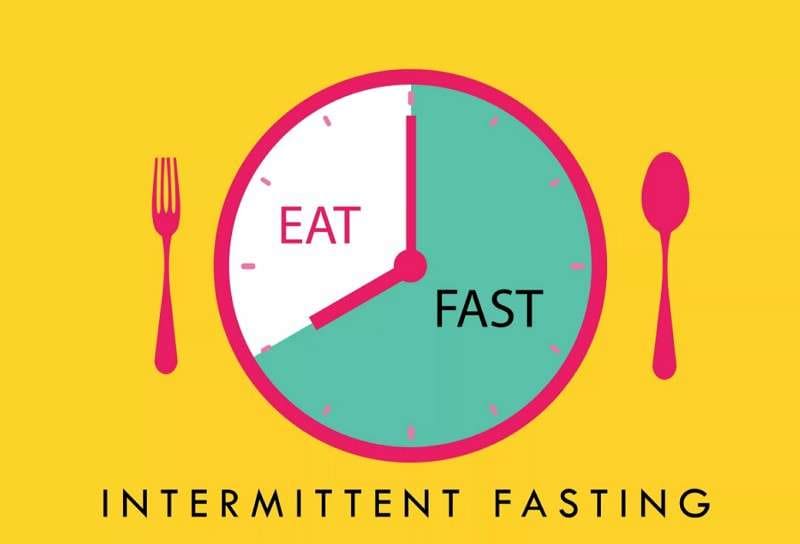
If you have decided on a 20-hour-a-day fasting weight-loss plan, is it right for you? To get an answer to that, it's better if you compare it with other methods via the listed table:
| Fasting Method | Eating Window | Difficulty Level | Weight Loss Speed | Benefits | Best For |
| 16:8 | 8 hours | Easy | Moderate | Supports steady fat loss, improves energy, and focus | Beginners, daily routine |
| 18:6 | 6 hours | Moderate | Fast | Burns more fat, helps control appetite, promotes discipline | People with some fasting experience who want faster results |
| 20:4 | 4 hours | Hard | Faster | May increase fat burn and improve insulin sensitivity | Experienced fasters, serious fat loss goals, and high discipline |
| Alternate-Day Fasting | Eat normally one day, fast the next | Hard | Moderate to fast | Supports fat loss and may improve metabolic health, while allowing flexibility on eating days | Experienced individuals with b willpower and a flexible schedule |
Part 4. 6 Tips to Make Fasting Help Lose Weight Fast
While trying the best intermittent fasting for weight loss patterns, follow the tips given below for better results:
1. Start with a Realistic Fasting Schedule
You may start by using simpler patterns, such as 12:12 or 14:10, and use the hours of the day, such as 8:00-20:00 (12:12), 9:00-19:00 (14:10), or 12:00-20:00 (16:8). Hence, stick with the same window for most days so that your body can adapt and stay on it for 2-4 weeks until your energy, sleep, and workouts feel steady. Then, if that is the case, spend another hour or two without eating and observe indicators such as intense, continuous hunger, energy deficiency, etc.
2. Watch Your Calories During the Eating Window
When your overall calories are lower than what your body uses, know that IF works. Thus, monitoring meal calories is the best way to make a balanced plate and avoid overeating. Then, turn to a calorie tracker such as CalBye, which provides a detailed report when you take a picture or upload it to the gallery. Users can even easily use and access this app on Android and iOS devices.
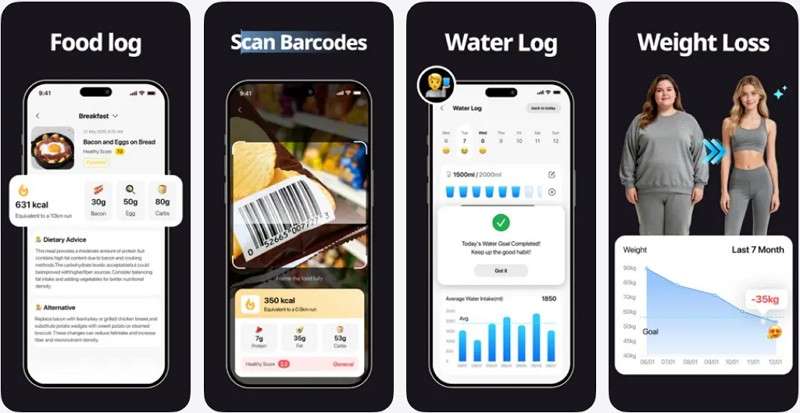
Furthermore, the app leverages AI, allowing you to chat and get detailed information about the food you consume during IF. Above all, it's not limited to calorie reports; it offers alternative food options and dietary advice that you can easily log in to access later. Plus, you can use it without risking a data breach, since the app only needs BMI data.
3. Make Protein the Center of Every Meal
Even though fasting helps you lose weight, you must include a solid protein source during your eating window. Protein helps you feel satisfied for longer, which reduces cravings and prevents overeating later in the day. It also protects your muscles while you lose weight, so try the listed options:
| Protein Source | Type | Example Portion |
| Eggs | Animal | 2 large eggs |
| Greek Yogurt | Animal | 1 cup |
| Chicken Breast | Animal | 100–150 g |
| Fish (Salmon, Tuna) | Animal | 100–150 g |
| Cottage Cheese | Animal | ½–1 cup |
| Lentils | Plant | 1 cup cooked |
| Chickpeas | Plant | 1 cup cooked |
| Tofu | Plant | 100–150 g |
| Beans (Kidney, Black) | Plant | 1 cup cooked |
| Nuts & Seeds | Plant | 1 handful |
4. Choose High-Fiber, Less-Processed Foods
Fill your plate with vegetables, fruits, whole grains, beans, nuts, seeds, and healthy fats. These foods digest slowly, keep you satisfied longer, and prevent energy dips that lead to cravings. Additionally, high-fiber foods help control blood sugar, support better digestion, and make it easier to stay within your fasting window without feeling overly hungry.
5. Stay Hydrated During Your Fast
Drink enough water throughout the day to keep your body functioning smoothly and to reduce feelings of hunger. You can also have black coffee, plain tea, or other zero-calorie drinks if your fasting plan allows them. Above all, keep track of water intake with an app like CalBye and track your achievements.

6. Prioritize Good Sleep and Lower Stress
Not enough sleep and high stress increase hunger and cravings, making fasting harder. So, aim for 7 to 9 hours of sleep and try simple stress-relief habits like a light walk, deep breathing, prayer, or meditation. Thus, these help control appetite and improve your fasting results.
Part 5. Intermittent Fasting Weight Loss Diet: What to Eat
Since fasting helps you lose weight, you must add healthy meal options to your diet to avoid harmful effects. Thus, review the listed five easy-to-try and straightforward recipes along with the calorie count to make the right choice:
1. Mediterranean Chicken Grain Bowl
This bowl has a healthy mix of protein, whole grains, fiber, and good fats. Besides, it keeps you full for a long time, making it perfect for your intermittent fasting eating window. The combination of quinoa, chicken, vegetables, and olive oil provides steady energy and helps you avoid overeating at the next meal.
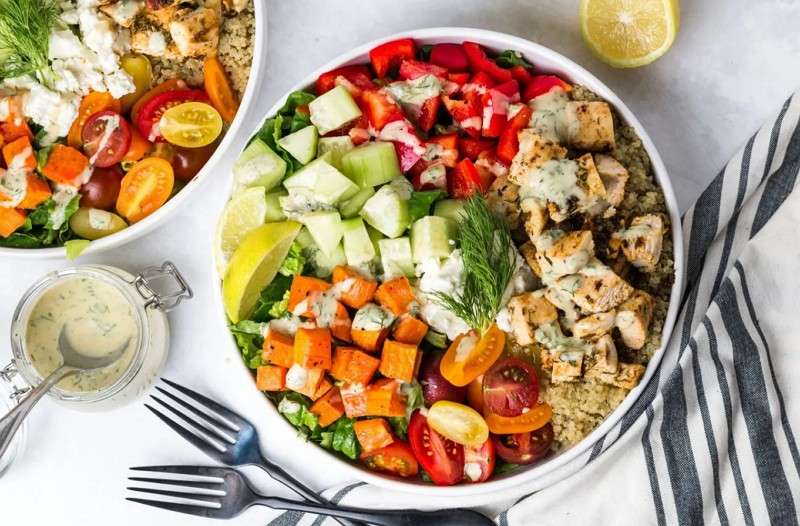
| Ingredient | Approx. Amount | Approx. Calories |
| Cooked Quinoa | 90 g | ~110 kcal |
| Grilled Chicken Breast | 120 g | ~200 kcal |
| Mixed Salad Veggies | 1 cup | ~30 kcal |
| Hummus | 2 tbsp | ~60 kcal |
| Olive Oil + Lemon Dressing (Oil) | 1 tbsp | ~120 kcal |
| Total | __ | ~520 kcal |
2. Salmon with Roasted Veg and Brown Rice
As a healthy option, it gives good protein and healthy omega-3 fats from salmon, whereas rice and vegetables add complex carbs and fiber. It helps keep muscles b and supports heart health while losing weight. Additionally, it is filling but not too high in calories, making it a great main meal.

| Ingredient | Approx. Amount | Approx. Calories |
| Baked Salmon | 120 g | ~230 kcal |
| Roasted Broccoli and Carrots | 1 cup | ~80 kcal |
| Cooked Brown Rice | 80 g | ~90 kcal |
| Olive Oil for Roasting | 1 tsp | ~40 kcal |
| Total | __ | ~440 kcal |
3. High‑Protein Greek Yogurt Power Bowl
When you decide on the best intermittent fasting for weight loss, try this bowl, as it is light but keeps you full. Additionally, Greek yogurt gives protein, and oats, granola, berries, and nuts add fiber. Overall, it is perfect as the first meal after fasting, helping control hunger and preventing later snacking.
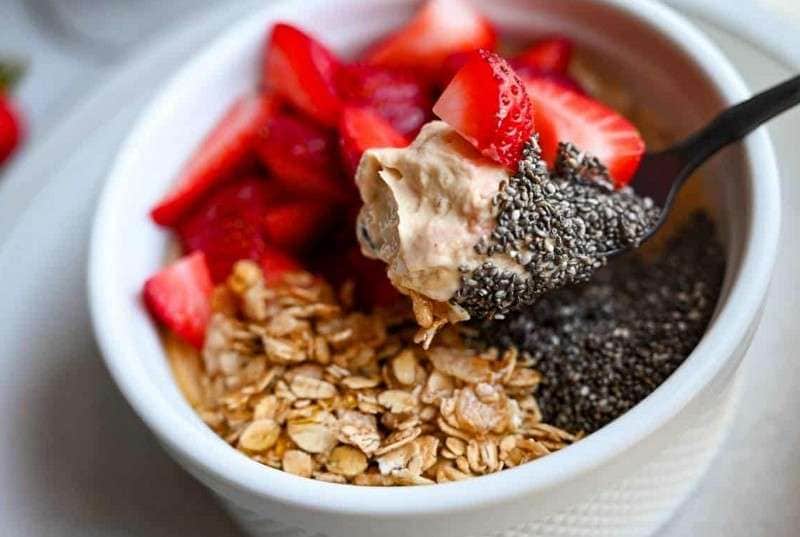
| Ingredient | Approx. Amount | Approx. Calories |
| Non‑fat Greek Yogurt | 200 g | ~110 kcal |
| Oats or Low‑sugar Granola | 40 g | ~150 kcal |
| Mixed Berries | 80 g | ~40 kcal |
| Nuts or Seeds | 10 g | ~60 kcal |
| Total | __ | ~360 kcal |
4. Chickpea and Veggie Stir‑Fry with Tofu
This plant-based meal provides protein from tofu and chickpeas, along with fiber and nutrients from vegetables. Thus, it works well during eating hours, keeping you full while keeping calories moderate. Above all, it also supports steady energy and healthy digestion throughout the day.

| Ingredient | Approx. Amount | Approx. Calories |
| Firm Tofu | 80 g | ~100 kcal |
| Cooked Chickpeas | 80 g | ~130 kcal |
| Mixed Vegetables | 1.5 cups | ~60 kcal |
| Olive or Sesame Oil | 1 tsp | ~40 kcal |
| Soy Sauce + Seasonings | 1 tbsp + | ~20 kcal |
| Total | __ | ~350 kcal |
5. Chicken Fajita Lettuce Wraps
If you use lettuce instead of tortillas, this meal is low in calories and carbs. Additionally, chicken adds plenty of protein to keep you full. Overall, it is perfect for a satisfying but lighter meal during your fasting eating window.

| Ingredient | Approx. Amount | Approx. Calories |
| Grilled Chicken Strips | 120 g | ~200 kcal |
| Sautéed Peppers and Onions | 1 cup | ~60 kcal |
| Lettuce Leaves | 4–5 large | ~10 kcal |
| Salsa | 2 tbsp | ~10 kcal |
| Plain Greek Yogurt (“Sour Cream”) | 1 tbsp | ~15 kcal |
| Total | __ | ~295 kcal |
Conclusion
To wrap up, if you have searched for intermittent fasting to lose weight fast and still haven’t found clear answers, this guide explains how the routine works and which method fits your needs. Use the included recipes and tips, and rely on CalBye to avoid overeating. With consistent habits and an eating routine, you can also promote steady fat loss and make fasting easier to maintain.
FAQs
-
Is it safe to exercise while fasting?
Yes, light to moderate exercise is safe, but avoid heavy workouts during long fasting hours. Additionally, listen to your body and rest if you feel weak, dizzy, or overly tired. -
Can intermittent fasting affect energy levels or sleep?
Some people feel low energy at first, but it usually improves after adaptation. Fasting may also slightly alter sleep patterns, but healthy routines help maintain energy and rest stability. -
How long does it take to see weight loss results?
Most people see small changes within 2 to 4 weeks with regular fasting. However, significant fat loss may take several months, depending on diet, activity, and consistency.


