


Quick Answer: Confused over losing inches, with no progress on the scale? Body recomposition, water retention, or bloating could be real causes, requiring workable adjustments.
A moment of losing inches but not weight is a source of confusion that every fitness enthusiast often faces. Your clothes fit better, your waist is actually shrinking, but the scale remains stuck, questioning your effort. Here, all you need is simple guidance, as progress is underway, but the appropriate approach must be applied.
You need expert-backed insights, more innovative tracking methods, and a plan that keeps you motivated throughout the process. For all such demands, the guide below provides a comprehensive set of accurate methods, diet strategies, and workouts that promote results.
In this article

Part 1. Losing Inches but Not Weight? Understand the Body Changes
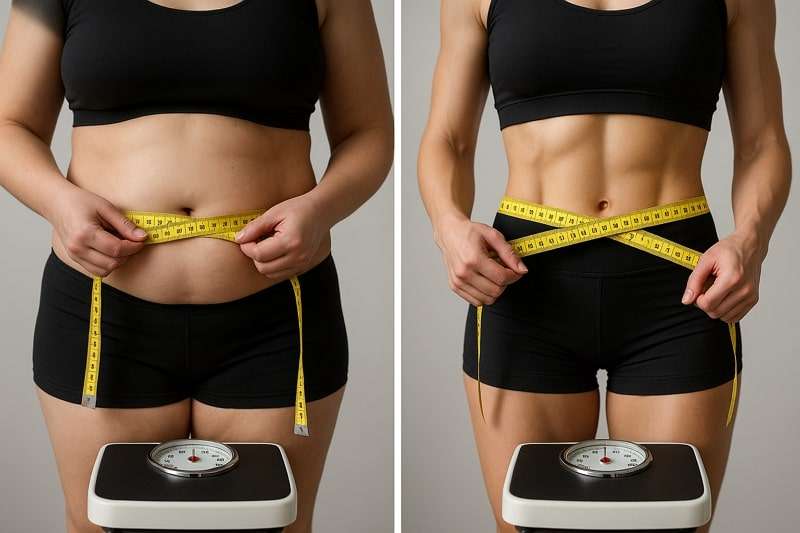
Not losing weight but losing inches means fat cells are shrinking, while lean tissues are maintained or increased. Muscles are denser than fat and take up less space, so fat loss combined with muscle preservation can reduce measurements even when body weight stays similar. This entire process is often referred to as body recomposition and can involve shifts in water or inflammation.
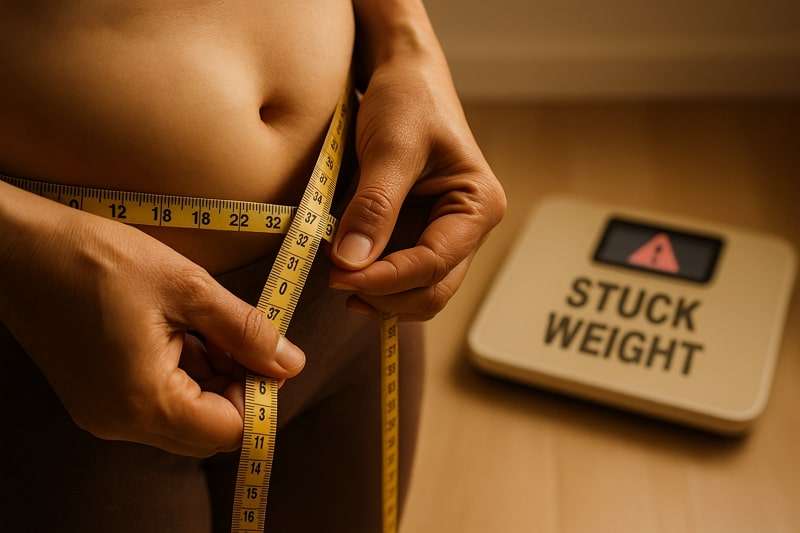
Why Inches Beat Pounds?
- Losing a few centimeters from your waist can reduce your risk of disease, even if your total weight barely changes.
- Tape measurements and clothing fit capture body recomposition, whereas scale measures muscle and fat.
- Progress in waist, hip, and thigh measurements gives more frequent wins, which boost motivation.
- Inch loss lines up more closely with improvements in visceral fat (deep belly fat) than total weight.
- Shrunk inches provide a clearer picture than BMI or weight, which can label b bodies as overweight.
Part 2. Common Causes Behind Losing Inches but Not Weight
Changes in your body but not on the scale can be confusing, a classic case of getting skinny but not losing weight. For better understanding, first understand why this happens through the section that follows, to stay motivated throughout:
- Water Retention and Bloating: High-salt meals and inflammation from new workouts can cause your body to retain extra water. This temporary water weight can completely hide real fat loss on the scale, while your measurements still drop.
- Inconsistent and Misleading Scale Readings: When you weigh with different clothes or on an inaccurate scale, it can make it seem like nothing's changing. Swings from digestion, bowel movement, and hydration can mask a true downward trend, so measurements show progress sooner.
- Weight-Loss Plateau and Adaptation: After weeks of dieting, your body adapts by burning slightly fewer calories, which can stall scale loss. In this phase, inches may come off as your body uses stored fat, but net weight may take weeks to change.
- Change in Posture and Core Engagement: Reduced bloating and improved digestion can make the waist appear smaller without a significant change in body weight. Increased daily movement enhances muscle tone and posture, which can visually tighten body shape even if the scale does not change.
- Body Recomposition (Fat Loss + Muscle Gain): Once you start lifting weights and have enough protein, your body can lose fat while building or preserving muscle. Just because muscles are denser, your waist and thighs can shrink even if your overall body weight hardly changes.
Part 3. 6 Accurate Methods to Track Losing Inches but Not Weight
When you think my weight is the same, but I look thinner, consider the following methods to experience actual weight loss:
| Methods | What to Measure | How to Do It | Why It's Beneficial |
| Tape Measurements | Waist, hip, thighs, and arms. | Same tape, same spots, same time of day. | Shows fat loss and shape changes hidden by water and muscles. |
| Clothing Fit | Jeans, dresses, and shirts | Try the same items every 2-4 weeks. | b evidence that your body is smaller, especially at the waist. |
| Progress Photos | Front, side, and back pictures | Capture photos in the same pose and attire each month. | Reveals posture, firmness, and inch loss, not just pounds. |
| Waist-Based Ratios | Waist, hips, and height | Measure with a tape measure and calculate simple ratios. | Tracks central fat and health risk better than weight alone. |
| Strength/Performance | Weights, reps, and steps. | Log workouts and activity weekly. | Indicates recomposition and fitness gains despite a flat scale. |
| Energy and Daily Readiness | Hunger, energy, and sleep modes | Rate each mode on a 1-5 scale in a journal or app daily. | Shows your lifestyle is turning more sustainable and healthier. |
Part 4. Diet Strategies That Support Losing Inches but Not Weight
Once you prioritize protein and fibre at each meal, you feel fuller on fewer calories. Notably, balanced meals that pair lean proteins with high-fiber carbs support steady inch loss around the waist and hips. To help you with not losing weight but losing inches, we've shortlisted the best recipes that would surely do wonders on the scale:
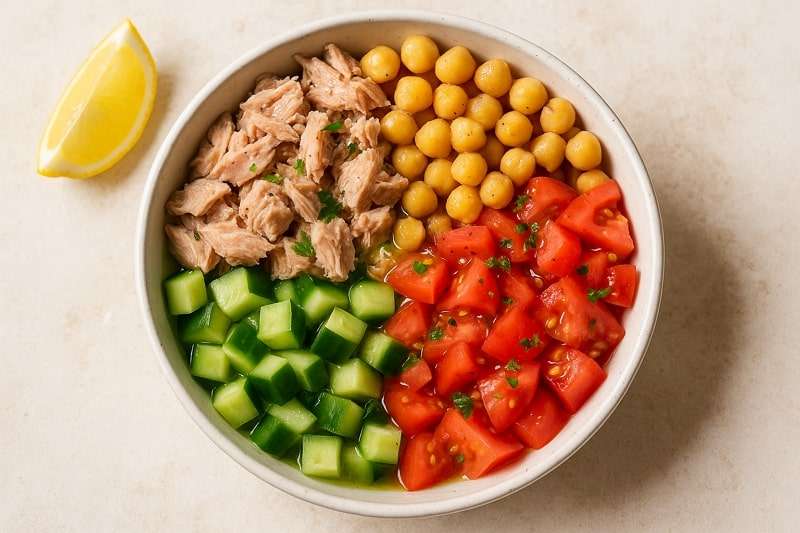
1. Tuna Chickpea Salad Bowl
Canned tuna mixed with chickpeas, cucumber, and tomatoes, topped with a light olive oil-lemon dressing, creates a rich no-cook meal. It's helpful on busy days because it's easy to assemble, portable, and keeps you full without a high-calorie load.
| Ingredients | Calorie Intake |
| Canned Tuna in Water (100g) | 110 kcal |
| Chickpea (80g cooked) | 130 kcal |
| Cucumber and Tomatoes (1 cup) | 30 kcal |
| Olive Oil (1 tsp) | 40 kcal |
| Lemon and Herbs | 5 kcal |
| Total Meal Count | 315 kcal |
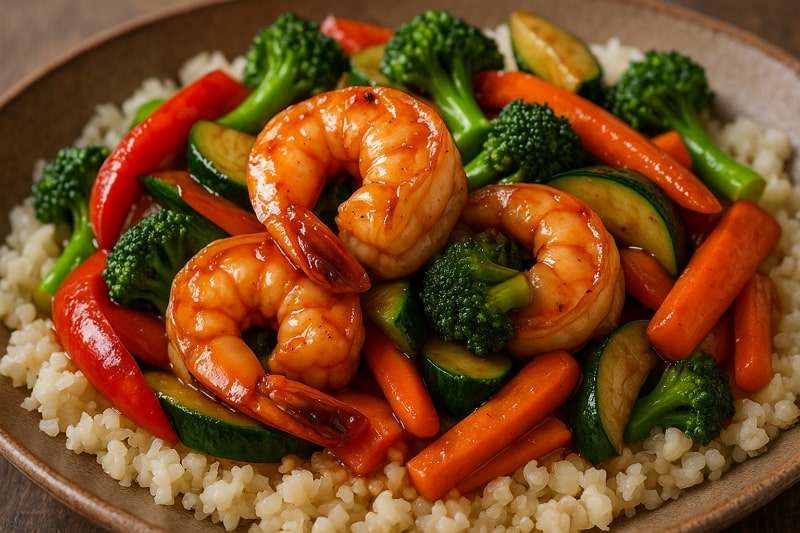
2. Shrimp and Veggie Stir-Fry
A quick stir-fry of shrimp, colorful vegetables, and cauliflower rice offers plenty of protein for a very few calories. This light dinner is useful on days when earlier meals were heavier, helping keep weekly calorie intake balanced.
| Ingredients | Calorie Intake |
| Shrimp (120g) | 110 kcal |
| Mixed Vegetables (1.5 cups) | 60 kcal |
| Cauliflower Rice (1 cup) | 25 kcal |
| Soy/Garlic (1 tsp oil) | 60 kcal |
| Total Meal Count | 255 kcal |
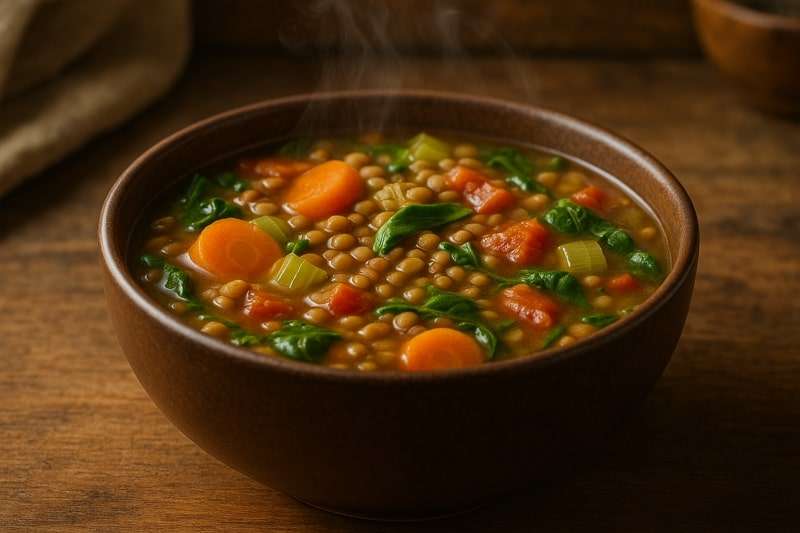
3. Lentil and Vegetable Soup
This broth-based soup uses lentils and a mix of non-starchy vegetables for a low-calorie, high-fiber option. It is suitable if you think you’re getting slimmer but not losing weight, as it aims to help you eat less.
| Ingredients | Calorie Intake |
| Cooked Lentils (120g) | 120 kcal |
| Mixed Vegetables (1.5 cups) | 60 kcal |
| Broth and Spices | 30 kcal |
| Olive Oil (1 tsp, optional) | 40 kcal |
| Total Calorie Count | 270 kcal |
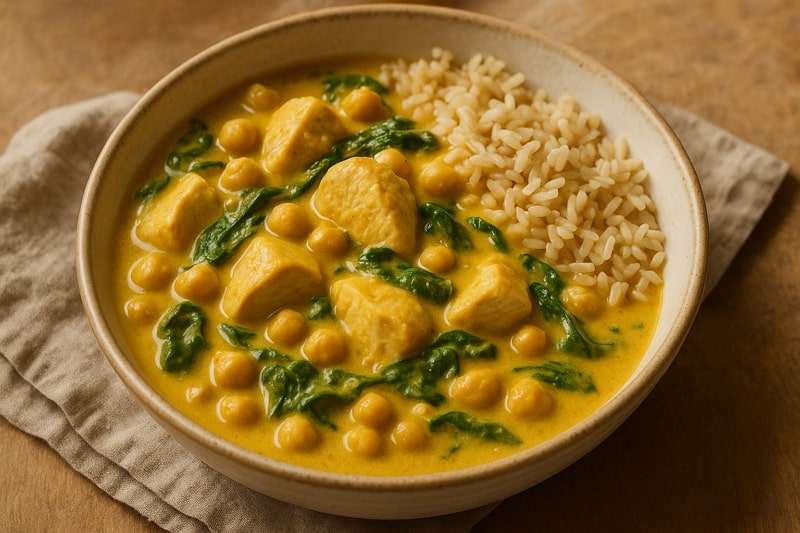
4. Chicken and Chickpea Curry
It's a mild curry made with chicken breast, chickpeas, and spinach, served over a light coconut or yogurt base. This dish provides protein from chicken and fiber from chickpeas and vegetables, helping you feel satisfied even with a small portion of brown rice.
| Ingredients | Calorie Intake |
| Chicken Breast (120g) | 200 kcal |
| Chickpeas (80g) | 130 kcal |
| Tomato and Onion mic (½ cup) | 40 kcal |
| Spinach (1 cup) | 10 kcal |
| Cococut Milk or Yogurt (40g) | 60 kcal |
| Brown Rice (60g cooked) | 70 kcal |
| Total Calorie Count | 510 kcal |
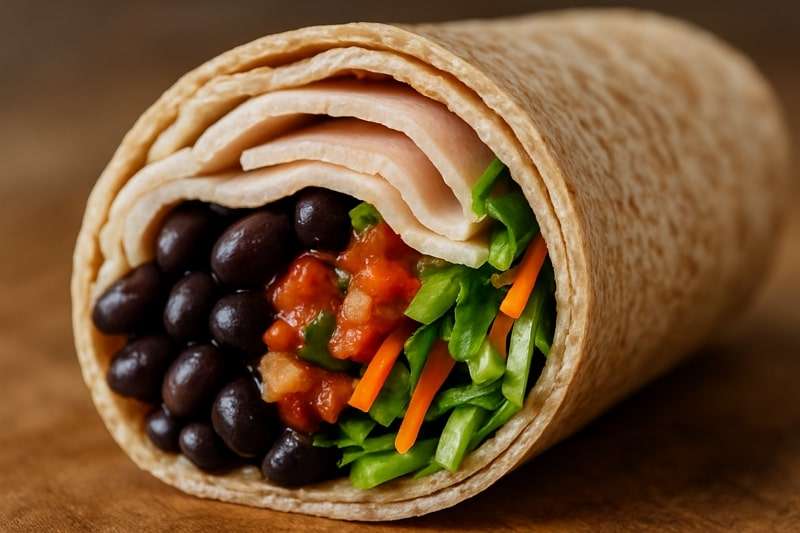
5. Turkey and Black Bean Wrap
Delicious combination of whole wheat wrap stuffed with deli turkey, black beans, and salsa for a portable, high-protein lunch. The pair of lean turkey and beans keeps protein high, while fiber from the warp and vegetables supports digestion.
| Ingredients | Calorie Intake |
| Whole-Wheat Wrap (1 medium) | 140 kcal |
| Lean Turkey Slices (80g) | 110 kcal |
| Black Beans (60g cooked) | 100 kcal |
| Avacado (30g) | 50 kcal |
| Lettuce and Salsa (approx. ½ cup) | 20 kcal |
| Total Calorie Count | 420 kcal |
Part 5. How CalBye Can Help You Track Losing Inches but Not Weight
When you feel like you've lost weight but the scale hasn't budged, it's better to track calories with CalBye as you follow the given recipes. This AI application is designed for iOS and Android users and offers an instant calorie report by taking food snaps or importing images from the gallery. The report includes this app's detailed diet advice to help you reach your weight goal.
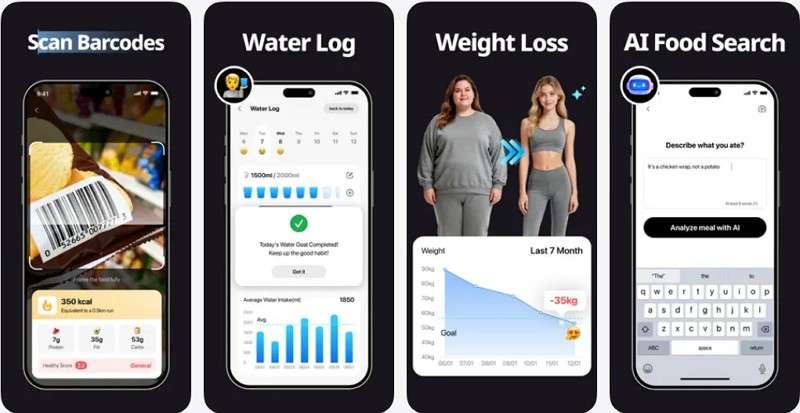
Besides, users can try the alternative food options listed in the calorie report and determine the health score of scanned food. One can also chat with the AI to receive manual, detailed insights by categorizing food in the app. Regardless of how one opts to count calories, users can log the details and access them in Timeline.
Key Features
- Completely Secure: Unlike other trackers, CalBye relies solely on the user's BMI data and requires no personal details to function.
- Water and Weight Reminders: Users can also rely on this app to get instant water and weight reminders.
- Add Log to Favorites: Once you receive the scanned food report, you can add the alternative and advice details to favorites.
- Track Progress: The app features a dedicated My Achievements tab where you can access the weekly graphical report to determine changes.
- Sync with Apple Watch: CalBye can sync with a sports watch like the Apple Watch and show a score from calories eaten minus calories burned.







How to Lose Inches with Healthy Meal Choices - CalBye Guide
For situations where you are getting slimmer but not losing weight, adhere to the given guide and track food intake with this app:
Step 1. Set up the App & Choose to Scan the Meal
On the setup screen, choose the “Scan Meal” option or pick the “View Sample” option to know how it works.

Step 2. Pick the Given Option to Track Calories
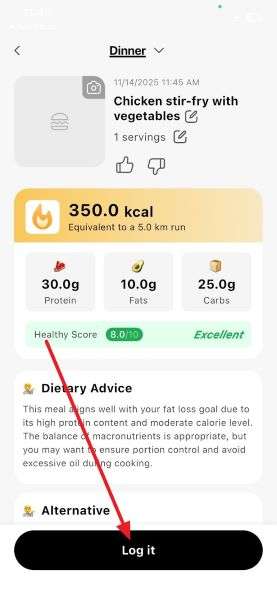
If you decide to try it, select the "Scan Meal" option to capture an image, or choose the "Gallery" option to import media. On the same screen, select the "T" icon to get manual calorie insights from AI.

Step 3. Review the Report & Log It for Later Usage
Now that the app provides a detailed report, review it and select the “Log It” button to access it later.
Part 6. 5 Workouts That Promote Losing Inches but Not Weight
For users who ponder: if my weight stays the same but I look thinner, it is suggested to incorporate some workouts into their routine. For that, you can choose from the 5 given options with detailed insights on what makes them foremost:
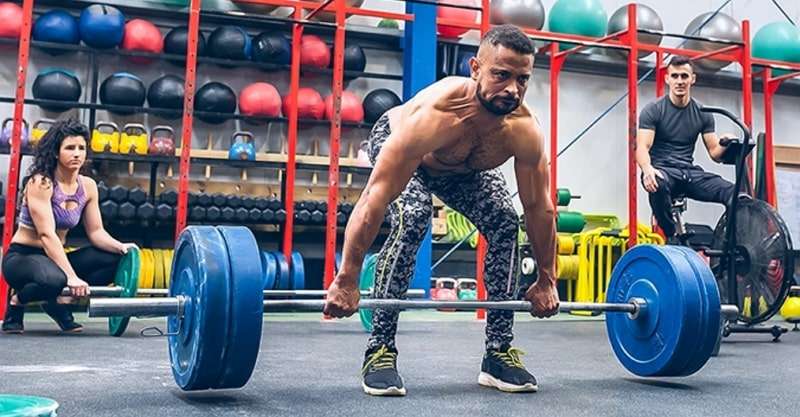
1. Full‑Body Strength Training (3–4x/week)
Do exercises like squats, deadlifts, lunges, rows, push‑ups, and presses to work many muscles at once. Additionally, use a pace that allows 8 to 12 controlled reps per set. Since muscle weighs more than fat, measurements shrink as you gain muscle and lose fat, even if the scale stays similar.
2. Upper/Lower Split Strength Workout
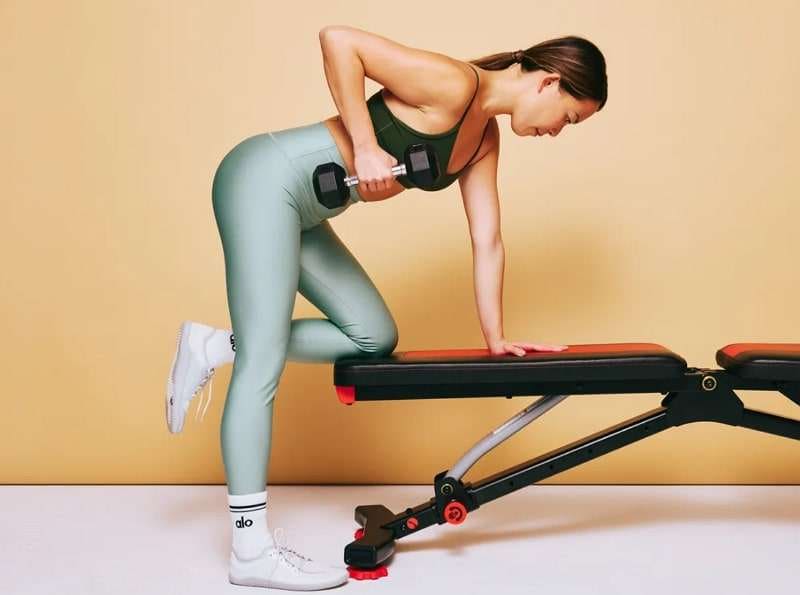
Train the upper body on one day and the lower body on the next, four times per week, and do 8-12 reps per set at a steady pace. This adds volume safely, builds muscle, and shapes the waist, hips, and thighs even if your weight stays the same.
3. Body‑Weight Resistance Circuits
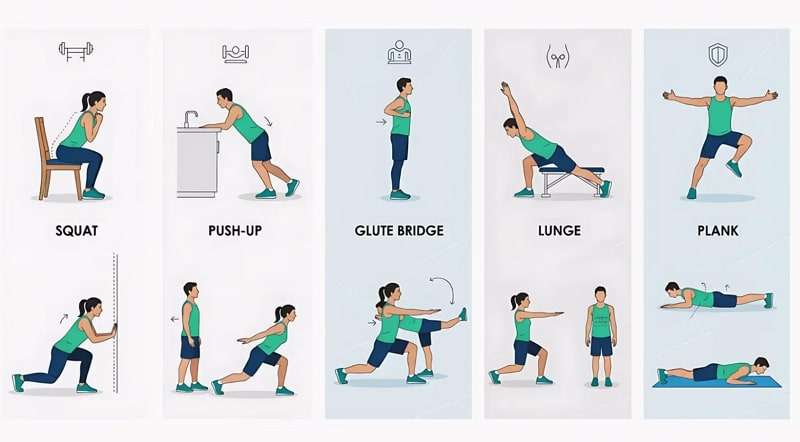
In situations where clothes fit looser but there's no weight loss, perform squats, lunges, glute bridges, planks, push-ups, and inverted rows two to three times a week. Moreover, transition from exercise to exercise at a steady pace with short rest periods. These circuits tone muscles, improve posture, and make clothes fit better while weight may stay similar.
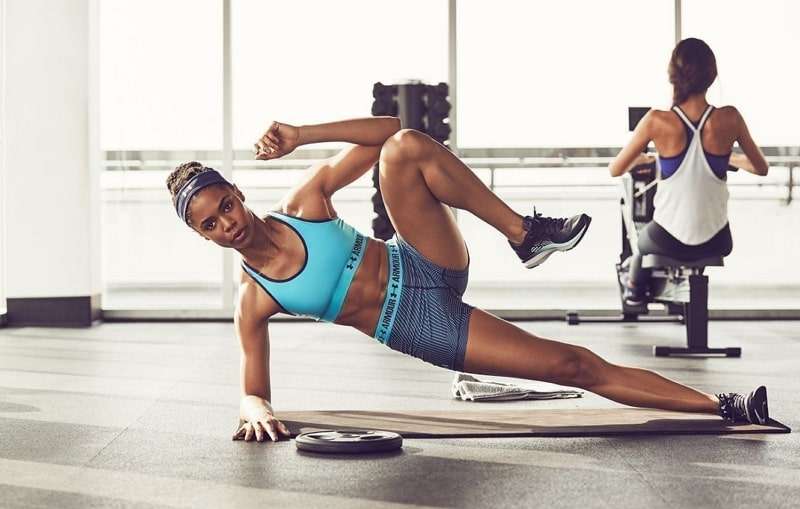
4. HIIT (High‑Intensity Interval Training)
HIIT burns calories fast, reduces waist and hip circumference, and helps maintain lean muscle when paired with strength work and enough protein. So, do it 20-30 minutes, two to three times a week, with short hard bursts and equal rest periods.
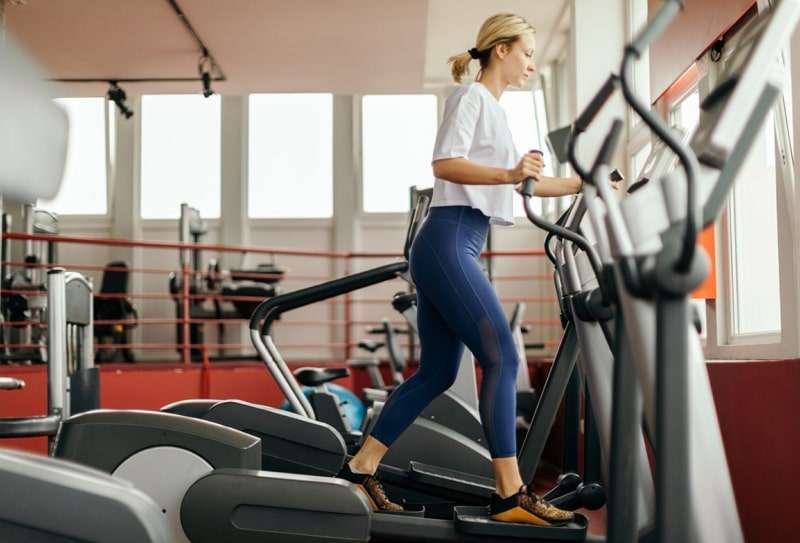
5. Low‑Impact Conditioning (Walking, Cycling, Elliptical)
These cardio burns calories gently on joints, so do it 30-60 minutes, three to five times a week at a brisk but comfortable pace. Plus, combined with strength work and good food, it reduces fat and inches while maintaining lean muscle and overall weight.
Conclusion
In summary, losing inches but not weight is an immediate reminder that transformation goes far beyond what the scale shows. Your body is reshaping, building lean muscles, and shedding fat in ways the numbers alone can’t capture. What actually counts is tracking progress in the suggested calorie-deficit app, AI Calorie Counter - CalBye.
FAQs
-
Is losing inches better than losing weight?
Losing inches indicates fat loss and muscle gain, improving body shape and strength. However, weight alone can mislead, while inches show real progress in fitness and health results. -
Why am I losing inches but not weight as a female?
Muscle replaces fat, so the body shrinks even if the scale does not change. Also, hormones and water retention keep weight stable even as actual fat is lost. -
How long after losing inches will I lose weight?
Weight loss can follow inches loss as fat decreases and water balances naturally. However, the timing varies with diet, exercise, metabolism, and consistent healthy habits.


