


Complicated diets that demand strict measurements, constant calorie tracking, and a long list of allowed and forbidden foods can make you overwhelmed. As a result, many of us turn to intermittent fasting diet plans, a sustainable approach that focuses on when to eat. Giving your body a structured eating window naturally reduces cravings, cuts unnecessary snacking, and helps with consistency.
Gradually, this gentle rhythm supports better energy, improved metabolism, and a healthier relationship with food. To have a similar fitness journey that is less stressful and more achievable, read on for workable plans.
In this article

Part 1. A Brief Overview of the Intermittent Fasting Diet Plan
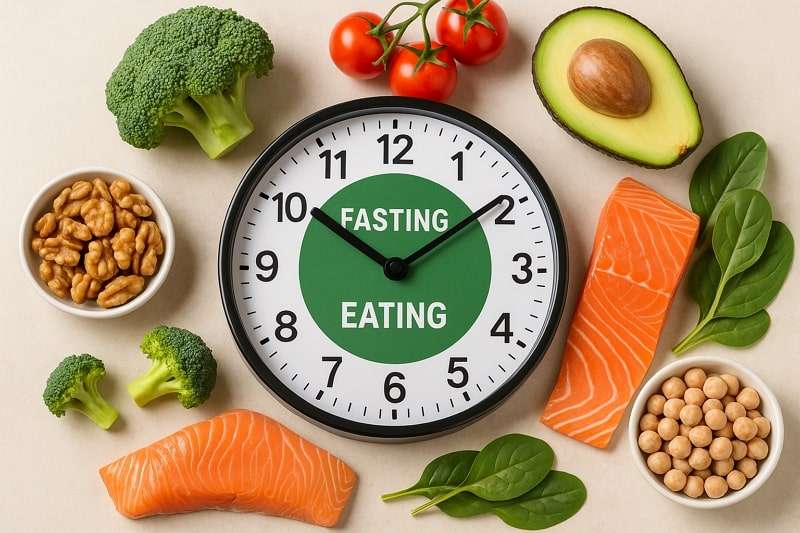
An intermittent diet fasting plan divides your day or week into eating windows and fasting periods. Common patterns include daily time-restricted eating, such as 16:8, and weekly patterns, such as 5:2. During the fast, insulin levels fall, and your body gradually shifts from using mainly glucose from recent meals to using stored fat. This switch improves metabolic flexibility and supports fat loss when overall calorie intake is reduced.
Key Benefits for Weight Loss, Metabolism, and Overall Health
As your eating habits become more consistent, the following benefits begin to show in noticeable ways:
- Weight and Belly‑Fat Loss: People naturally eat fewer calories because they have fewer hours to eat, which eventually results in a reduction in body weight.
- Better Insulin Sensitivity: Intermittent fasting has been shown to lower fasting insulin levels, improve insulin sensitivity, and improve glucose control.
- Metabolic Switching and Cellular Housekeeping: Fasting prompts the body to switch to fatty acid burning, which helps clear damaged cellular components and reduce oxidative stress.
- Improved Blood Pressure: Many reviews link intermittent fasting to reductions in LDL cholesterol and blood pressure, key risk factors for heart disease.
- Structured but Flexible Framework: Consistent “on” and “off” times for eating can be easier to follow than traditional diets, given overall well-being.
Part 2. How to Personalize Your Intimate Fasting Diet Plan
Although the right routine takes time, when you tailor your fasting diet plan for weight loss, results become more consistent. For your assistance, the following section covers popular approaches and guidance on how to choose the right plan:
| Popular Approach | Fasting and Eating Window | Plan Example | Difficulty Level | Best For |
| 12:12 | 12 hours fast and 12 hours eat | Fast 20:00 to 8:00. Eat 8:00 to 20:00 | Very easy for beginners | New to fasting and regular family mealtimes |
| 14:10 | 14 hours fast and 10 hours eat | Fast 20:00 to 10:00. Eat 10:00 to 20:00 | Easy | Step up from 12:12 without a big shock |
| 16:8 | 16 hours fast and 8 hours eat | Fast 20:00 to 12:00. Eat 12:00 to 20:00 | Beginner to Intermediate | Most people aiming for steady fat loss |
| 18:6 | 18 hours fast and 6 hours eat | Fast 18:00 to 12:00. Eat 12:00 to 18:00 | Intermediate | Those who handle 16:8 well and want more challenge |
| 20:4 | 20 hours fast and 4 hours eat | Fast 20:00 to 16:00. Eat 16:00 to 20:00 | Advanced Level | Experienced fasters with solid routines |
| 5:2 | 2 low-calorie days and 5 normal days weekly | 2 days at about 500 to 600 calories and 5 days of normal eating | Moderate | People prefer weekly flexibility over daily windows |
| Alternate Day Fasting ADF | Fast every other day with a complete fast or low-calorie fast | Fast every other day or eat about 500 calories on fasting days | Hard or Advanced Level | Highly motivated and medically cleared users |
| Eat Stop Eat | 24 24-hour fast once or twice weekly | Fast dinner to dinner 1 or 2 times each week | Hard or Advanced Level | Users who want occasional extended fasting |
How to Choose the Right Plan for Beginners & Advanced Fasters
- Start with the Simplest Schedule: Begin with 12:12 or 14:10, since most of the fasting happens while you sleep, and your daily life changes very little. Once this feels normal for a couple of weeks, you can gradually extend to 16:8 for a more structured fat-loss.
- Align Your Plan to Your Lifestyle: If your life includes family dinners or nightshifts, a daily 16:8 or 14:10 with an afternoon-evening window will work. For those who prefer breakfast and an early dinner, set the windows earlier (for example, 8:00–16:00) rather than skipping breakfast.

- Consider Your Energy Needs and Job Loads: People with very physical jobs or intense workouts often do better on 14:10 or 16:8. This way, they can fuel before and after training, instead of jumping straight into 20:4, OMAD, or frequent 24‑hour fasts.
- Review Your Medical History and Medication: Users with diabetes, low blood pressure, or certain heart conditions should consult a doctor before attempting anything beyond time restrictions. For many in these groups, a modest 12:12 or 14:10, plus an overall healthy diet schedule, might work best.
- Prioritize Food Quality Over Schedule Perfection: Reviews majorly stress that intermittent fasting works only if the food you eat is healthy. If you’re hitting your hours but filling your window with fast food and sweets, the results might not be visible, regardless of the plan.
Part 3. Fasting Diet Plan for Weight Loss: 5 Key Guidelines
When you follow an intermittent fasting eating plan that feels natural and motivating, every step of your weight-loss journey becomes smoother. In this context, the given key guidelines will help you set the stage with a plan that will do wonders:
1. Limit Liquid Calories and Late‑Night Eating
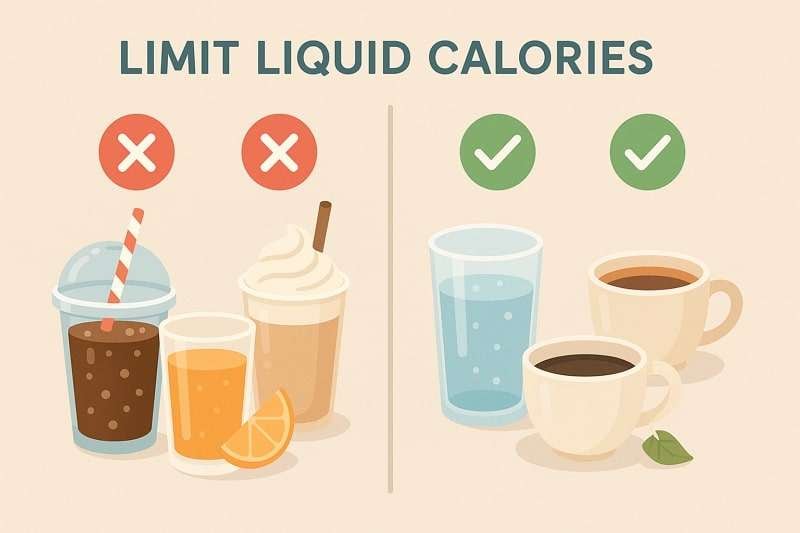
Liquid calories from sugary drinks, creamy coffees, and alcohol can quietly remove your calorie deficit because they don't fill up much. Try to finish eating around 2-3 hours before bed and rely primarily on water, plain tea, and black coffee.
- During the Fast: Water, black coffee, and plain tea (if medically safe).
- During the Window: Keep high‑calorie drinks as rare treats rather than daily habits.
2. Support Your Fast with Movement and Sleep
Light daily activity, plus 2-3 strength-training sessions a week, helps protect muscle and increase calories burned. Moreover, a good night's sleep of 7-9 hours helps keep hunger hormones steadier, making it easier to stick to the calorie target.
| Habit to Adopt | Simple Goal |
| Steps | Move more daily (walks, stairs, chores) |
| Strength | 2-3 short sessions per week |
| Sleep | Aim for 7-9 hours most nights |
3. Use a Calorie Deficit App - CalBye
An intermittent diet fasting plan ultimately leads to weight loss if you consistently eat fewer calories than you burn. For this, a calorie-tracking app like CalBye works as a personal macro tracker on both Android and iOS. It goes beyond simply counting and understands the composition of every dish, from identifying cuisines to estimating portions. Most importantly, it allows users to scan food and gain detailed insights into its nutrients.
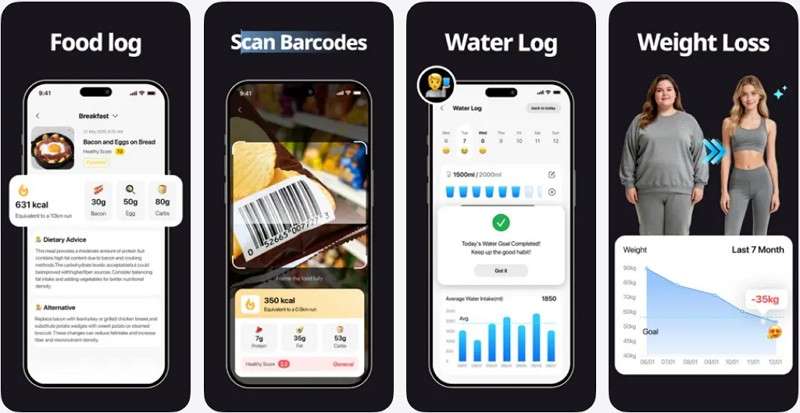
You can get a complete overview of your daily intake and make smarter choices to reach your health goals. The app enables one to log meals manually and search for and enter items as desired. Overall, it's a positive motivator that doesn't judge even if you slip, and only motivates you to keep going. Surprisingly, it examines your eating patterns and delivers personalized nutrition tips from protein optimization to fat swap.
Key Features
- Weight and Water Tracker: The app facilitates users to log their weight and daily water intake to review how nutrition and hydration affect them.
- Delivers Daily Progress and History: You can visualize your calorie deficit, nutrient intake, and long-term progress in detailed charts over days, weeks, or months.
- Provides AI-Powered Recommendations: It suggests data-driven options to optimize meals, balance nutrients, and achieve fitness goals effectively.







4. Focus on High‑Quality, Filling Foods
For weight loss and fasting, always aim for lean proteins, vegetables, and healthy fats, limiting ultra-processed or sugary foods. This way, you can control your hunger and support fat loss, especially around the belly. To consume better, quality food options, adhere to the provided list of items worth adopting:

| Food Type | Better Choices | Limit/Occasional Only |
| Protein | Eggs, yogurt, chicken, fish, or beans | Processed meats |
| Carbohydrates | Oats, brown rice, and whole‑grain bread | White bread, pastries |
| Fats | Olive oil, nuts, seeds, and avocado | Deep‑fried foods |
| Drinks | Water, tea, or black coffee | Sodas, sugary coffees, or juice |
5. Choose a Realistic Fasting Schedule
Pick a schedule you can follow most days, like 14:10 or 16:8, instead of jumping straight into extreme fasts. Several studies demonstrate that time-restricted eating only helps in the long term if people can actually stick to it. For this reason, consider the plan that best aligns with your routine and keeps you going for months.
Part 4. Foods to Include and Avoid in an Intermittent Diet Plan
An intermittent fasting diet plan becomes far more effective when you clearly understand which foods to prioritize. Considering this, a detailed tabular review is provided below to help you make wise choices for maximum fasting benefits:
Foods to Include (Fulfilling & Nutrient‑Dense)
| Food or Example Meal | Why It Is Good | Portion Recommended | Approx. Calories |
| Plain Greek Yogurt with Berries and Nuts | High protein, some healthy fat, and fiber. Very filling | 170 g yogurt plus half a cup of berries plus 1 tbsp nuts | 220 to 300 kcal |
| Grilled Chicken with Rice and Avocado | Lean protein plus complex carbs and healthy fat | 1 serving of chicken plus rice plus half an avocado | 700 to 950 kcal |
| Lentil or Bean and Vegetable Bowl | Plant protein and high fiber for long-lasting fullness | 1 cup cooked lentils plus 1 to 2 cups of vegetables | 250 to 350 kcal |
| Salmon with Brown Rice and Broccoli | Protein, omega-3 fats, whole grains, and low-calorie vegetables | 100 g salmon plus half a cup of rice plus 1 cup of broccoli | 450 to 650 kcal |
| Fresh Fruit Plus a Handful of Nuts | Fiber from fruit and healthy fats from nuts | 1 medium fruit plus 15 to 20 g nuts | 160 to 250 kcal |
Foods to Limit or Avoid (Low in Nutrients)
| Food or Drink | Why to Limit | Portion Example | Approx. Calories |
| Sugary soda | Pure sugar with no fullness. Classic empty calories | 1 can (12 oz or 355 ml) | 140 to 150 kcal |
| Fried Fast Food Fries | High fat, refined carbs, and salt. Easy to overeat | 1 medium order | 400 to 450 kcal |
| Potato Chips and Similar Snacks | Calorie-dense and low in fiber and protein. Not filling | 1 small bag | 180 to 220 kcal |
| Candy Bars or Regular Chocolate | High sugar and fat with very low nutrients | 1 bar | 200 to 250 kcal |
| Milkshakes or Sugary Coffee Drinks | Large amounts of sugar and fat in liquid form | 1 medium shake or flavored latte | 400 to 900 kcal |
Conclusion
In conclusion, an intermittent fasting diet plan offers a flexible approach to weight management, improved metabolism, and overall health. When you focus on when you eat rather than restricting what you eat, it simplifies your routine and reduces unnecessary snacking. Still, you might need personalized calorie targets and easy food logging, thus emerging the need for AI Calorie Counter - CalBye.
FAQs
-
How long should I fast each day?
Standard fasting windows range from 12 to 16 hours, such as the 16:8 method (16 hours fasting, 8 hours eating). Whereas, for beginners, it is suggested to start with 12 hours and gradually extend the fasting period. -
Is intermittent fasting safe for everyone?
While generally safe for most healthy adults, it may not be suitable for pregnant or breastfeeding women. People with medical conditions or those with a history of eating disorders should consult a doctor before starting an intermittent diet plan. -
How long will it take to see results?
Results may vary depending on the diet plan you choose, the activities you engage in, and the consistency of your fasting/eating windows. Anyway, many people notice improved energy, reduced cravings, and gradual weight loss within a few weeks of following a structured plan.


