


Quick Answer: Brief explanation on how long it takes to notice weight loss, as it varies for everybody, or by gender. Factors that affect rapid weight loss include exercise, diet quality, hormones, and CalBye for calorie tracking.
Individuals begin their weight-loss journey with high motivation, but they feel uncertain when visible changes don't materialize as expected. Every person trying to lose weight, therefore, should have a brief understanding of how long it takes to notice weight loss. Once you know what a realistic timeline looks like, you’re less likely to get discouraged or compare your progress to others.
Instead, you gain clarity and confidence, allowing you to commit to your motive with a more grounded mindset. To better evaluate your routine, the guide that follows explains factors and a sample timeline, appreciating every milestone.
In this article

Part 1: How Long Does It Take to See Weight Loss Results?
Most people notice small changes, such as less bloating and slightly looser clothes, within 1-4 weeks. In fact, apparent visual differences often take 4-6 weeks or longer, depending on starting points, habits, and consistency.
Early changes on the scale are often a mix of water, glycogen, and fat, so staying focused is most important. Notably, progress is shown in 3 related yet different ways: scale weight (total mass), body measurements, and visual changes.
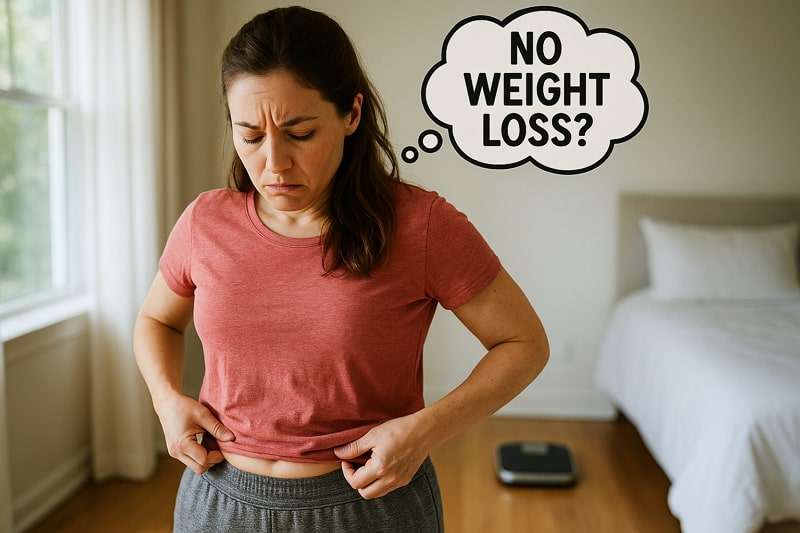
| Aspects | What It Means | How Fast Does It Affect | Best Use in Your Journey |
| Scale Weight | Total body mass (fat, muscle, and water). | Can shift daily from weeks 1-4 from water and glycogen | Suitable for long‑term trend, not day‑to‑day judgment. |
| Body Measurement | Inches around the waist, hips, and thighs. | Often starts changing within 3-6 weeks as fat loss accumulates. | Best for fat loss and body-shape changes. |
| Visual Changes | Overall shape, muscle tone, and how clothes look. | Noticed in 4-8+ weeks, others in 8-12 weeks. | Optimal for motivation via photos and clothing fit. |
Part 2. Factors That Affect How Quickly You Lose Weight
Many wonder, “How long does it take to see weight loss results?” and the answer often depends on a combination of factors. Where lifestyle and biological elements affect the pace of your weight loss, the listed factors might also contribute equally:
1. Diet Quality: Deficiency and Nutrients
A consistent calorie deficit is the main driver of weight loss, but the quality of those calories affects how much muscle you keep. Diets built around whole, minimally processed foods with enough protein and healthy fats improve body composition. For example:
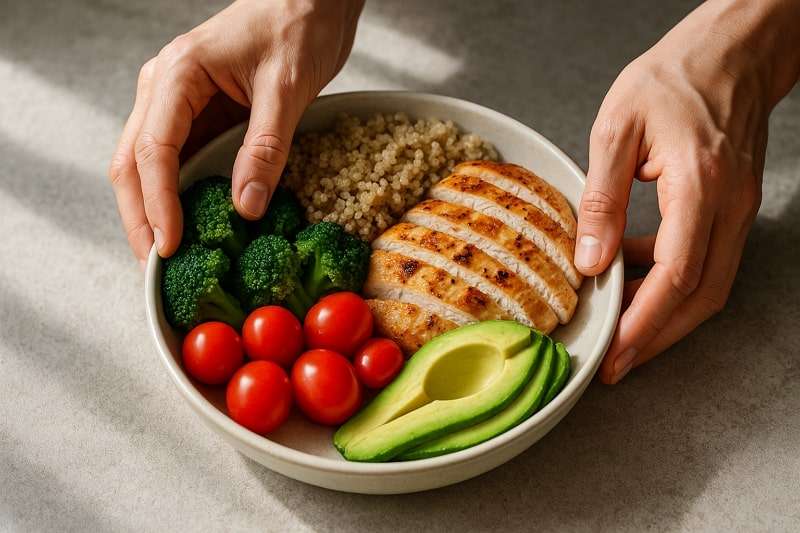
| Key Considerations | Calorie Deficit | Nutrient-Dense Meals |
| Main Goal | Eat fewer calories, any foods. | Prioritize whole foods within a modest deficit. |
| Typical Results | Faster early drops but more hunger and fatigue. | Steadier loss, better energy, easier to stick with. |







2. Exercise Type and Intensity
Different exercise styles change how quickly you burn calories and how well you preserve muscles during fat loss. Essentially, cardio is important for burning calories, whereas HIIT can offer time-efficient calorie burn. Take note of the table provided, demonstrating how different exercises work for strength/weight loss:
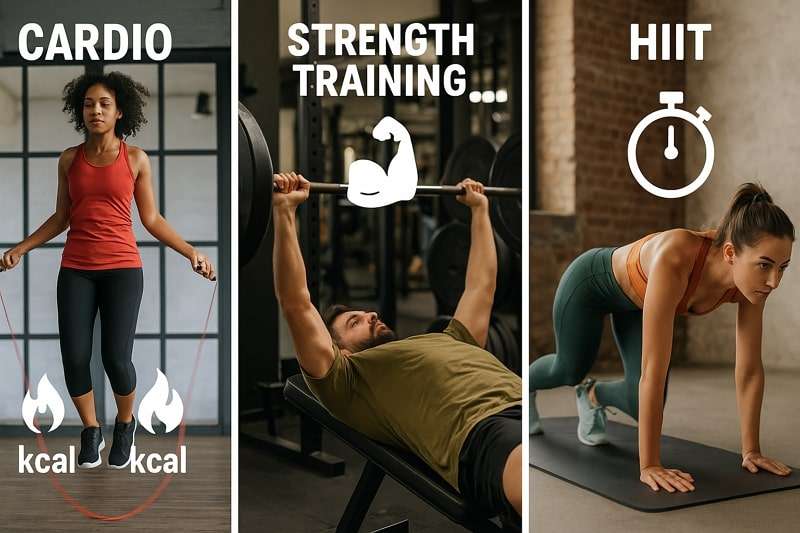
| Kind of Exercises | Strengths for Weight/Fat Loss | Things to Note |
| Cardio (LISS/moderate) | Burns many calories during the session. | Great for beginners and for larger weight-loss goals. |
| Strength Training | Preserves/builds muscle, improves shape. | Essential for long‑term metabolism and inches. |
| HIIT | High calorie burns in a short time; substantial fitness gains | Demanding; best 1-3 times weekly for most people. |
3. Hormones, Sleep, Stress, and Metabolism
Hormones, including cortisol, thyroid, and sex hormones, influence appetite and how many calories you burn at rest. Likewise, poor sleep or chronic stress can eventually raise hunger hormones and reduce metabolic rate. Supporting these systems with 7-9 hours of sleep, regular stress management, and a moderate deficit leads to more consistent progress.
Part 3. Why Some People Notice Weight Loss Faster
Some individuals notice weight loss faster because the first weeks of consistent dieting often activate beginner gains. The phenomenon includes the body depleting glycogen and the water attached to it, resulting in a significant drop in scale. Those who pair a calorie deficit with regular exercise tend to notice scale shifts, with better measurements and more energy.

If you wonder how long it will take to see weight loss results, tracking different metrics helps you notice small fluctuations early. This will help you stay motivated and determined until actual changes in body composition become visible. For more clarity, explore the multiple combinations you should consider to notice faster weight loss changes:
| Combination Type | How to Perform | How Fast You Notice Changes |
| Diet Only | Eat fewer calories with little or no exercise. | Scale drops mainly from water and some fat; visual changes are slow. |
| Exercise Only | Exercise more without changing diet. | Fitness improves first; weight and inches change slowly. |
| Diet + Regular Cardio | Calorie deficit with walking, jogging, or cycling. | Faster scale changes and better stamina; some inch loss. |
| Diet + Strength Training | Calorie deficit with 2–4 strength sessions weekly. | Body shape and inches change more quickly; scale may change more slowly. |
| Diet + Cardio + Strength Training | Combine cardio and strength in a balanced plan. | Most visible fat loss and definition over time. |
| Diet + Training + Lifestyle Focus | Add good sleep, stress control, and hydration. | Steady progress with fewer stalls or plateaus. |
Common Misconceptions About Weight Loss Timelines
Remember, for how long does it take to see noticeable weight loss? The listed misconceptions can make this timeline feel longer:
Myth 1: You Should See Results Immediately
Reality: Sustainable weight loss takes time, and most people notice subtle changes within 3-4 weeks, not immediately.
Myth 2: Scale is the Only Measure of Progress
Reality: Weight alone doesn’t reflect fat loss; measuring inches and noting how clothes fit can provide a more accurate picture.
Myth 3: Supplements Can Replace Diet and Exercise
Reality: No pill or powder can substitute for consistent, healthy eating or physical activity, because they aren't magic solutions.

Myth 4: Fat Spot Reduction Works
Reality: Fat loss occurs systematically, and overall body composition changes with diet, exercise, or lifestyle improvements.
Myth 5: Cardio Alone is Enough
Reality: Although cardio burns calories, it can be combined with other strength-training activities to improve metabolism and long-term results.
Part 4. Try a Sample Timeline of Noticing Weight Loss
A general pattern can help you set realistic expectations and keep you motivated throughout the weight-loss process. While everybody responds differently, the sample timeline given below provides insight into how long it will take to see weight loss results:
| Stage/Timing | What Usually Changes Most | Scale Weight (Typical) | Measurements and Clothes | Energy and Fitness Changes |
| Week 1-2 | Bloating and water weight | Quick shifts mainly from water and glycogen changes. | Waistband may pinch less; tiny waist/hip changes | Lighter energy; early motivation boosts. |
| Week 3-4 | Early fat loss + routine building | Slower but more meaningful fat loss begins | Clothes start to feel looser; 1-2 cm off the waist for many. | More stable energy; fewer cravings. |
| Month 2-3 | Body composition and inches | Weight loss averages out, but plateaus are common. | Clearer changes in waist, hips, and thighs; new belt notch. | Daily tasks and workouts feel easier. |
| Months 3 Plus | Visible shape and performance | Total loss adds up even if week‑to‑week is uneven. | Side‑by‑side photos show a noticeable difference. | Noticeably ber, better stamina, more confidence. |
Part 5. How to Accelerate Weight Loss Without Risking Health - 5 Tips
Once you understand how long it takes to notice weight loss, you can focus on strategies to speed up progress safely. Accelerating results isn't about extreme diets or extreme workouts, but involves the following strategies in your lifestyle:
1. Strength Train 2-4 Times Per Week
Include resistance training for the major muscle groups several times a week, using weights or body-weight exercise. Strength work preserves or builds muscle, so more of the weight you lose is actually fat. As a result, it improves how your body looks and feels at any given scale number.

2. Protect Sleep and Manage Stress
Aim for roughly 7-9 hours of quality sleep and build simple stress-management habits, such as walks and breathing exercises. Better sleep and lower stress support healthier levels of hunger hormones and make it easier to stick to your calorie goals.
3. Use the Calorie Deficit App for Tracking
To consume plates mostly built from whole foods, you’ll need a calorie deficit app like AI Calorie Counter - CalBye for analysis. It acts as your personal tracker, even to address your question: How long will it take to see weight-loss results? The app supports users by telling them what to eat and suggesting 3 innovative options, powered by its AI.
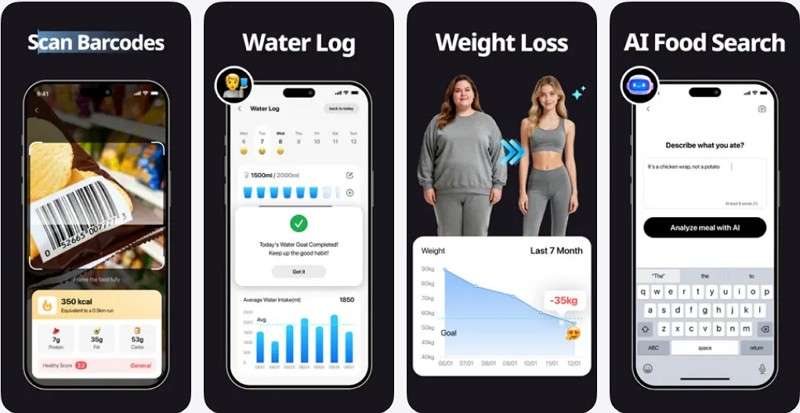
In addition to food, you can log weight and water intake for a complete analysis of how nutrition/hydration affects you. More impressively, the app provides a detailed calorie/nutrient breakdown by simply scanning a food label. It helps you examine eating patterns to get personalized strategies, from optimizing protein intake to choosing after-workout fats. You can set custom targets for calories and weight, and select your objective accordingly.
Key Features
- Snap a Meal for Detailed Insights: With CalBye, you can snap your meal to get detailed insights into calories, micro- and macronutrients.
- Daily Progress Tracker: The app tracks trends over days, weeks, and months to help you stay consistent with your diet goals.
- Search for Food and Get Details: Users can search for any desired cuisine and get a breakdown of calories and nutrients before buying.
4. Fill Up on Fiber‑Rich Whole Foods
Fiber-rich whole foods generally provide more volume and nutrients for fewer calories than refined snacks. Such foods help increase fullness, smooth blood sugar levels, and enable fitness freaks to remain within their calorie deficit target. Take an example of some foods, such as:
| Fiber-Rich Foods | Fiber in Grams | Estimated Calories |
| Oats, Dry (40g) | 4g | 150 kcal |
| Cooked Lentils (100g) | 8g | 115 kcal |
| Cooked Black Beans (100g) | 7-8g | 130 kcal |
| Whole-Grain Bread (1 Slice) | 3-4g | 80-100 kcal |
| Cooked Quinoa (100g) | 2-3g | 120 kcal |
5. Prioritize Protein at Each Meal
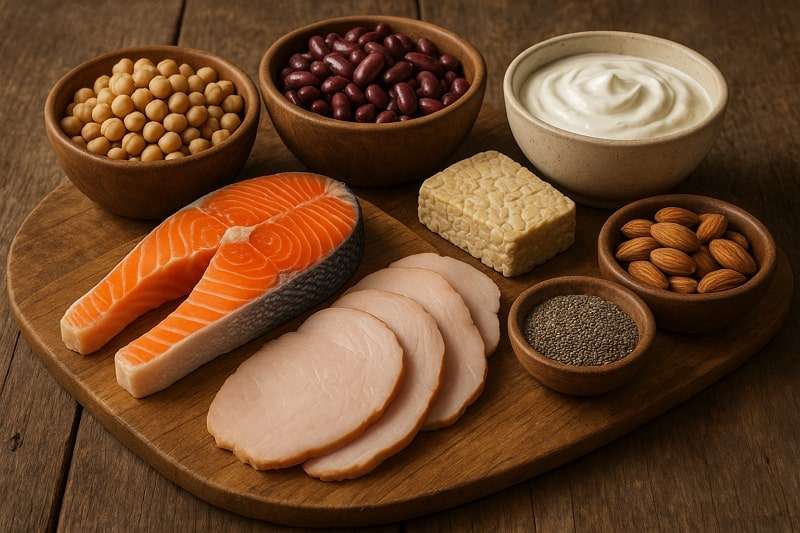
Use solid protein sources, such as eggs or tofu, at every meal and snack. Higher protein intake supports muscle growth, reduces cravings, and can slightly boost energy expenditure, helping you lose fat faster.
Conclusion
In conclusion, how long does it take to notice weight loss? It is all about setting expectations and recognizing that progress varies for everyone. The only thing that matters is showing up every day with wise choices, balanced nutrition, and a sustainable routine. For those who need a reliable way to track energy changes, CalBye is a calorie-deficit app.
FAQs
-
Where do you notice weight loss first?
You often notice weight loss first in areas where your body naturally stores less stubborn fat. For most people, this includes the face, arms, or upper torso, where even a slight drop in water weight becomes visible. Where you lose fat first is massively determined by genetics, hormones, and your body type. -
What is the fastest way to lose weight?
The fastest, healthiest way to lose weight is to create a moderate, sustainable calorie deficit while supporting your body with smart habits. Notably, it includes strength training and cardio exercise, along with 7-9 hours of sleep daily, for effective results. Altogether, these strategies will help you burn more calories, preserve muscles, and boost metabolism. -
What is the first thing you notice when you start losing weight?
With an actual understanding of how long it takes to see weight loss results? You’ll first notice how you feel. Increased energy, reduced bloating, and lighter, more comfortable movement often appear within the first week. These subtle improvements are usually the earliest and most motivating indicators that your efforts are working.


