


You wake up determined to eat healthier, but by midday, you're grabbing snacks, skipping proper meals, and wondering why your energy feels low. At this point, your routine is not to be blamed, but your timing is. Instead of leaving your meals to chance, isn't it better to have some structure in a full day of chaos?
If you think alike, an intermittent fasting eating schedule will help you sync your meals with your body’s natural clock. No more guilt over unplanned eating, because you’re sorted with how to plan your meals with different schedules in the guide below.
In this article

Part 1. Intermittent Fasting Eating Schedule: Understanding the Basics
Intermittent fasting eating is about when you eat (your eating window) versus when you don't (your fasting period). During eating windows, insulin levels rise, and your body mainly burns glucose from food, storing excess energy as fat. While fasting, insulin falls and other hormones rise, allowing the body to use stored glycogen, and after 12-18 hours, it breaks down fat. In this context, timing matters for both fat burning and the total calorie intake.

A long break between the last meal of one day and the first meal of the next, you spend more hours with low insulin. Some expert reviews reveal that these longer overnight fasts encourage your body to use more fatty acids and reduce overall fat mass. Precisely, fasting is not superior to any other diet plan; total calorie intake and food quality matter.
Overview of Eating Windows vs Fasting Period
With the basic understanding in mind, walk through the tabular comparison and examine how each part works:
| Aspect | Eating Window | Fasting Period |
| What You Do | Eat your meals and snacks. | No calories, or near‑zero calories (water, tea/coffee). |
| Main Fuel Used | Mostly glucose from food | First glycogen, then more stored fat and ketones as the fast lengthens. |
| Key Hormone Pattern | Higher insulin levels mean the body is more in "storage" mode. | Lower insulin, higher glucagon, body more in “fat‑use” mode. |
| Typical Duration in TRE (Time Restricted Eating) | About 8-12 hours per day (e.g, 16:8) | Approximately 12-16 hours or more per day, depending on the schedule. |
| Main Motive | Get enough protein, fiber, and nutrients without overeating. | Give the body time to flip the metabolic switch and spend more hours burning stored fat. |
Part 2. How to Plan Your Meals for Fasting Eating
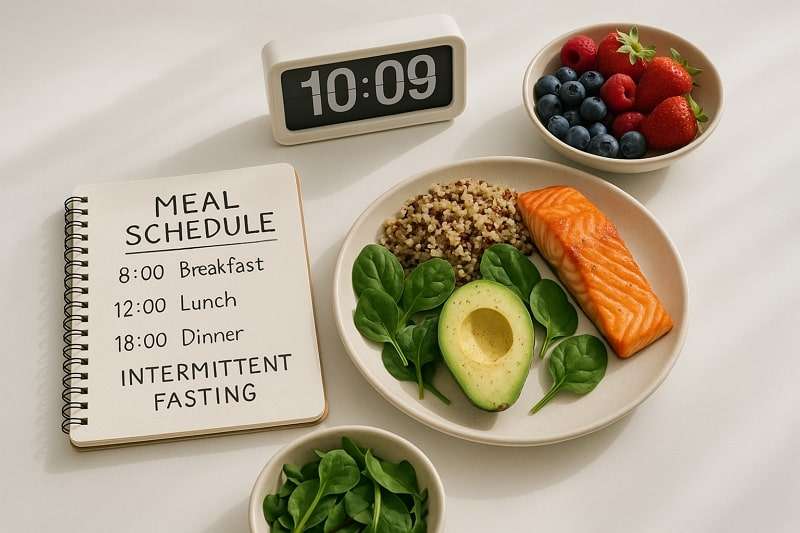
Planning Intermittent fasting: what can I eat? It mainly involves timing and balance, without pushing your calories too high. Consuming within a set frame (like 16:8 or 14:10) naturally extends the overnight fast. This means your body gets more time in a low-insulin state where it draws on stored fat for fuel. While meals spaced every 3-5 hours inside the window (rather than constant snacking) help stabilize sugar and appetite.
Best Tips for Spacing Protein, Carbs, & Healthy Fats
For perfect meal planning, consider the provided strategies to space essential nutrients for visible results:
- Include Protein in Every Meal or Snack: Incorporate a clear protein source, such as eggs or fish, at every meal or snack to feel full. This makes it easier to stick to your fasting plan without constant hunger or cravings.
- Spread Protein Across 2-4 Meals: Get a moderate amount of protein (about 20-30g) in each meal, rather than almost all at night. The pattern supports better muscle maintenance and metabolism during the weight loss journey. To help you feel satisfied, an example of a 16:8 day is outlined below:
- Use Slow Carbs for Steady Energy: Choose whole or slow-carb foods like oats, brown rice, and sweet potatoes instead of white bread. They give you smoother energy curves and help avoid crashes that activate more overeating. “If you still want something sweet or indulgent, pair it with protein or fiber so it doesn’t disrupt your appetite control.
- Fill Half Your Plate with Vegetables: Make non-starchy vegetables, such as broccoli and zucchini, the central part of your plate. They add fiber and fullness for every few calories, ideal when you're trying to reduce belly fat.
- Adjust Carbs Around Activity Times: Put more of your carbs in the meal before and/or after workouts to recover well. Later meals can be more focused on protein and vegetables with smaller carb portions to support fat loss.
| Meal | Simple Meal Idea | Rough Protein in Grams |
| Breakfast | Omelet with vegetables and toast | Approximately, 20-35g |
| Lunch | Greek yogurt with berries and nuts, served with a whole fruit | Nearly 15-20g |
| Dinner | Chicken or tofu with rice and vegetables | Around 25-30g |








Part 3. Intermittent Fasting (When to Eat): Best Times for Different Schedules
Once you understand the basics of fasting, you’re ready to know when to eat for maximum benefits. For your guidance, the section covers popular schedules that facilitate the most during intermittent fasting and when to eat:
| Schedule | Pattern (Fast: Eat) | Typical Example Windows | Best Suited For |
| 12:12 | 12 hours fast and 12 hours eat | Eat 08:00 to 20:00, fast 20:00 to 08:00 | Beginners easing into fasting |
| 14:10 | 14 hours fast and 10 hours eat | Eat 09:00 to 19:00 or 10:00 to 20:00 | Moderate structure users |
| 16:8 | 16 hours fast and 8 hours to eat | Eat from 10:00 to 18:00 or from 12:00 to 20:00 | Most popular; balanced for fat loss and lifestyle |
| 18:6 | 18 hours fast and 6 hours eat | Eat from 12:00 to 18:00 or 13:00 to 19:00 | People comfortable with 16:8 want more intensity |
| 20:4 (Advanced) | 20 hours fast and 4 hours eat | Eat from 16:00 to 20:00 or from 14:00 to 18:00 | Advanced users; challenging to maintain |
| OMAD (One Meal A Day) | 23 hours fast and 1 hour to eat | One meal in a fixed 1-hour slot | Very experienced users; not for beginners |
| 5:2 | 2 low-calorie days weekly, 5 normal days | 5 normal eating days; 2 days at approximately 500 to 600 kcal | Users who prefer weekly flexibility |
Morning vs Evening Eating Windows (Based on Lifestyle & Goals)
More visible results require aligning your fasting eating schedule with your daily energy patterns, as demonstrated below:
| Focus | Morning / Earlier Window (e.g., 09:00 to 17:00) | Later / Evening Window (e.g., 12:00 to 20:00) |
| Daily Routine | Works well if you wake up early, prefer breakfast, and are comfortable with early dinners. | Fits people who skip breakfast, work late, or eat socially at night. |
| Metabolic Health | Eating more earlier in the day may support better blood sugar control and overall metabolism. | Later heavy dinners or night snacks may be less friendly for blood sugar and sleep quality. |
| Social Life | Harder if your social activities involve late dinners or night events. | Easier to include restaurant meals, family dinners, or evening-shift work. |
| Hunger Pattern | Good if you wake up hungry and prefer larger meals earlier in the day. | Suitable if your appetite is low in the morning and ber from midday onward. |
| Practical Consideration | Stop eating 2 to 3 hours before bed; early windows naturally meet this guideline. | Avoid very late or heavy meals close to bedtime for better recovery and sleep. |
Part 4. During Intermittent Fasting, What Can I Eat? 6 Nutrient Guidelines
The provided nutrient guidelines will make the question during intermittent fasting, what I can eat, much clearer and easier to follow.
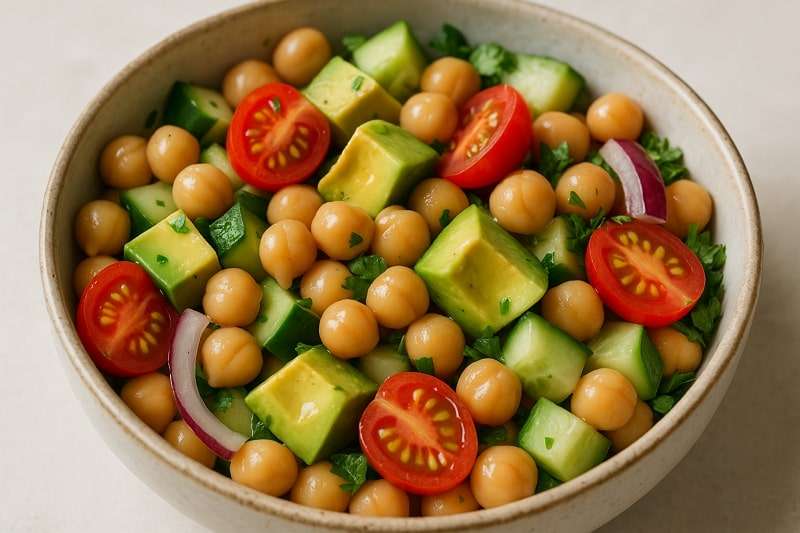
1. Chickpea and Avocado Salad
Chickpeas add protein and fiber, while avocado and olive oil give you healthy fats that keep you full. This complete meal works well as a main course or a big side inside your eating window.
| Ingredients | Portion Required | Calorie Count |
| Cooked Chickpeas | ½ cup (80-90g) | 120-140 kcal |
| Avocado | ¼–½ medium | 60-120kcal |
| Mixed Vegetables (Cucumber, Tomato, Greens) | 1-2 cups | 30-50 kcal |
| Olive Oil + Lemon Dressing | 1 tsp (5g) | 40 kcal |
| Total Meal Count | / | 250-350 kcal |
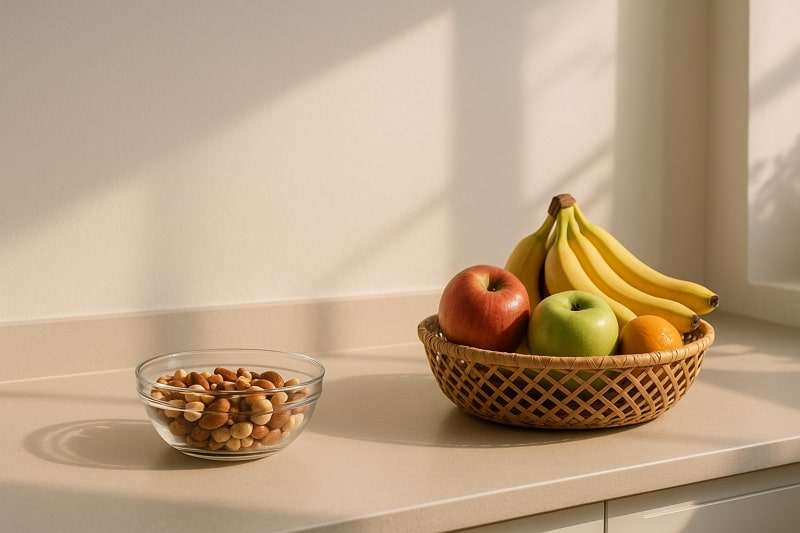
2. Fruit and Nut Snack (For Between Meals)
A small piece of fruit and a handful of nuts is a simple, portion-controlled option that combines fiber and healthy fats. More importantly, it's a healthy snack that's much better than sugary snacks for keeping hunger in check.
| Ingredients | Portion Required | Calorie Count |
| Apple/Orange/Small Mango Slice | 1 medium fruit each | 70-100 kcal |
| Nuts (Almonds, Walnuts, Pistachios) | 10-15 pieces of nuts | 90-130 kcal |
| Total Meal Count | / | 160-230 kcal |
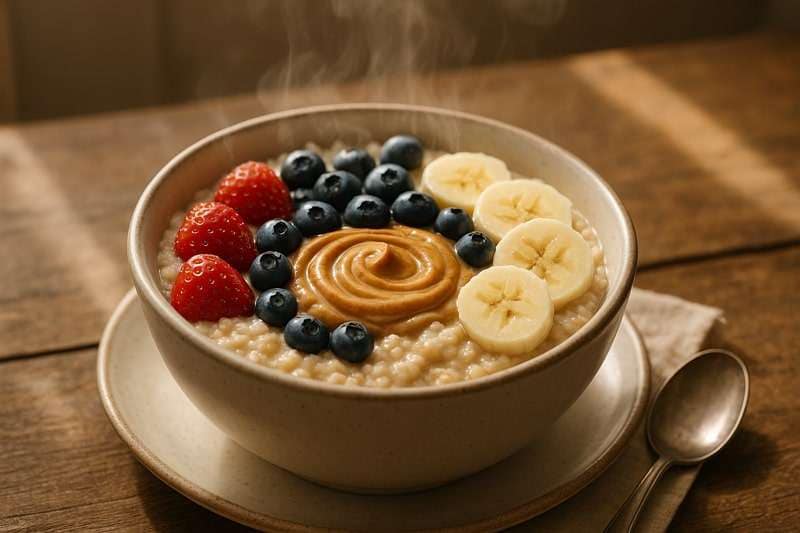
3. Oatmeal With Fruit and Nut Butter
Oats with fruits and a spoonful of nut butter give you slow carbs, fiber, and healthy fats. Besides this, it's a great option to break your fast or as a main meal in your window.
| Ingredients | Portion Required | Calorie Count |
| Rolled Oats (Dry) | ½ cup (40 g) | 150 kcal |
| Water/Milk (for Cooking) | 1 cup | 0-80 kcal (water vs milk) |
| Fruit (Banana or Berries) | ½-1 cup | 40-90 kcal |
| Nut Butter (Peanut or Almond) | 1 Tbsp (16 g) | 90-100 kcal |
| Total (With Water) | / | 280-340 kcal |
| Total (With Milk) | / | 320-420 kcal |
4. Cottage Cheese or Paneer Bowl with Vegetable and Seeds
Cottage cheese or paneer offers protein and calcium, while raw or lightly cooked veg and seeds add crunch. This fasting eating approach works as a light meal or a solid snack, paired with fiber-rich, healthy fats.
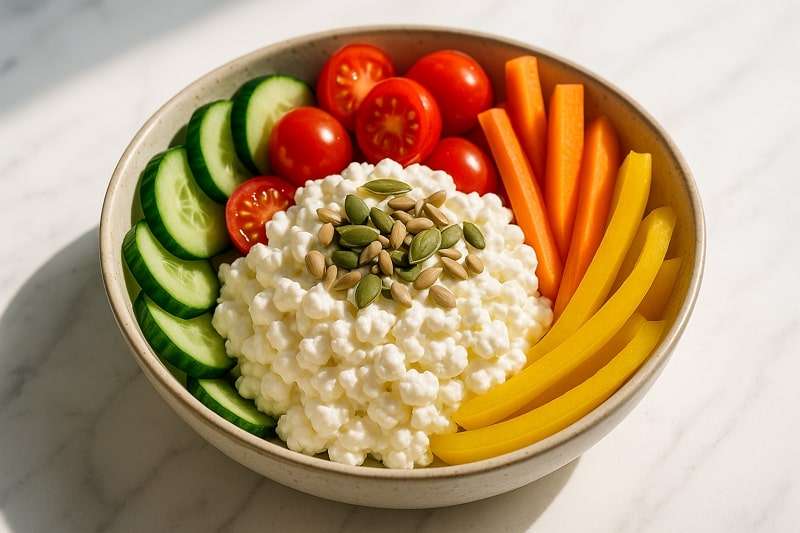
| Ingredient | Portion Required | Calorie Count |
| Cottage Cheese/Paneer | 100g | 90-140 kcal |
| Vegetable (Tomato, Cucumber, peppers) | 1 cup | 20-40 kcal |
| Seeds (Sunflower, Pumpkin, and Chia) | 1 Tbsp (8-10g) | 40-60 kcal |
| Olive Oil/Lemon (Optional) | 1 tsp | Approx 40 kcal |
| Total Meal Count | / | 190-280 kcal |
5. Turkey, Hummus, and Veggie Whole‑Grain Wrap
This wrap combines lean protein, healthy fats, and fiber, making it a great grab-and-go meal inside your window. It's a more filling, balanced option than a typical fast-food sandwich.
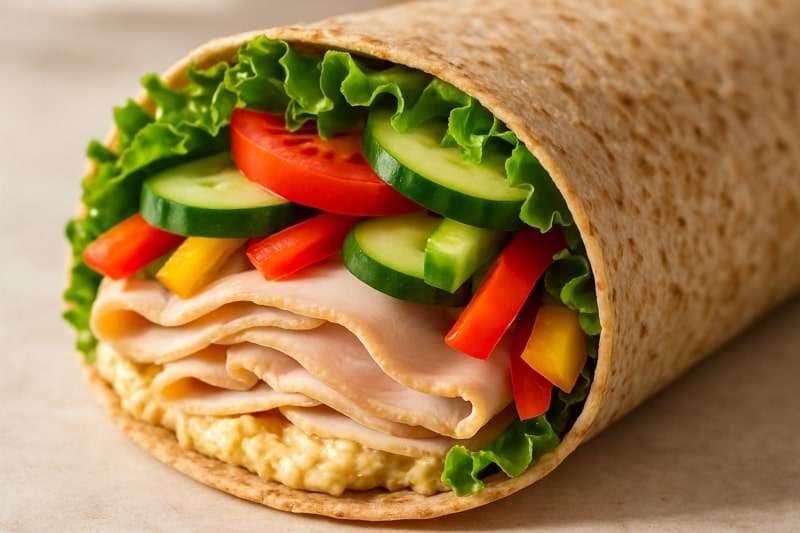
| Ingredients | Portion Required | Calorie Count |
| Whole‑grain Tortilla | 1 medium | 120-180 kcal |
| Turkey Slices/Grilled Chicken | 60-80g | 80-120 kcal |
| Hummus | 2 Tbsp (30g) | 50-70g |
| Vegetables (Lettuce, Tomato, Cucumber, and Carrot) | ½-1 cup | 20-40 kcal |
| Total Meal Count | / | 270-410 kcal |
Intermittent Fasting Eating Schedule Tracking with CalBye App
Following an intermittent fasting routine becomes so much easier when you have an app that keeps everything organized for you. An app like AI Calorie Counter - CalBye not only helps users with intermittent fasting on what to eat but also delivers visible results. Snap your meal and get instant details on macros and nutrients to understand its composition. More impressively, it identifies cuisines and estimates portions, providing personalized nutrition insights as per your health profile.
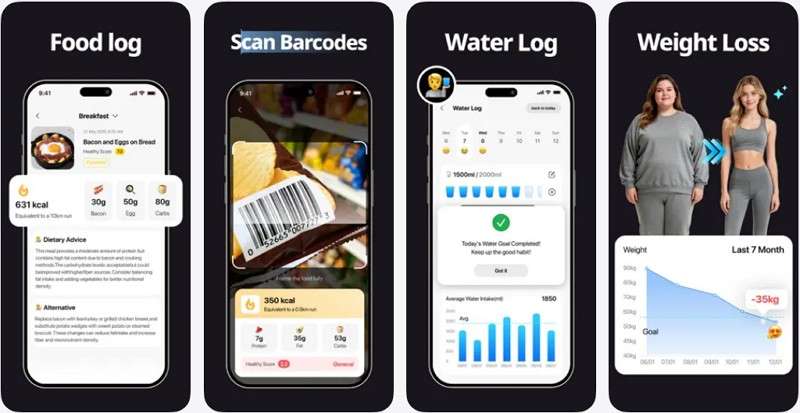
It's the ultimate macro tracker that allows you to log meals and avoid repetitive food scanning. Whether you’re managing weight, tracking macros, or improving your overall health, CalBye adapts to your lifestyle. Users can even log their weight and daily water intake to analyze how nutrition and hydration affect their progress. Further possibilities include setting reminders and tracking trends that support overall healthy habits.
Key Features
- Barcode Scanner: It enables scanning food labels for detailed, instant insights about the food you’re about to purchase.
- History and Daily Progress Tracker: You can track trends over days, weeks, and even months to stay consistent with your diet and weight goals.
- Provide AI-Driven Recommendations: The app provides data-driven suggestions to optimize meals and balance nutrients, helping meet the target more effectively.
Conclusion
In summary, an intermittent fasting eating schedule works best when it fits your lifestyle, supports your energy, and keeps your meals intentional. The right fasting window, timing your nutrients wisely, and understanding what your body needs creates an achievable routine rather than a restrictive one. Achieve results faster with the assistance of the AI-driven CalBye app, which monitors nutrients without guesswork.
FAQs
-
Can I drink anything during the fasting period?
Absolutely, water, black coffee, and plain tea are allowed during the fasting hours. These drinks keep you hydrated and help control hunger without interrupting the fasting process. Just make sure they don't contain sugar, cream, or artificial sweeteners that stimulate insulin secretion. -
Can I change my fasting window on weekends?
Indeed, intermittent fasting is flexible, and adjusting your fasting window on weekends is entirely normal. Slight changes won't harm your progress as long as your overall pattern stays consistent throughout the week. -
What if I feel hungry during fasting hours?
Hunger is entirely normal at first, and it usually decreases after a few days as your body adapts to your new eating schedule. In such situations, drinking herbal teas or black coffee can also help suppress appetite without breaking your fast.


