


You've been sticking to your fasting schedule, skipping meals, and carefully tracking what you eat, yet nothing seems to work. If this sounds familiar, you're not the only one facing this, but many people around you go through this frustration often. People who experience intermittent fasting without losing weight frequently question whether all their discipline is in vain.
If you're in the same spot, understand the core reasons and optimize your fasting routine to experience the results you want, finally. This isn't a challenge anymore because this expert guide covers tips worth trying, from avoiding mistakes to meals.
In this article

Part 1. Intermittent Fasting Not Losing Weight: Common Causes
For someone who is consistent with their eating windows but still not seeing results, the confusion is natural. In this case, this section might help you distinguish the causes behind fasting and not losing weight uncertainty:
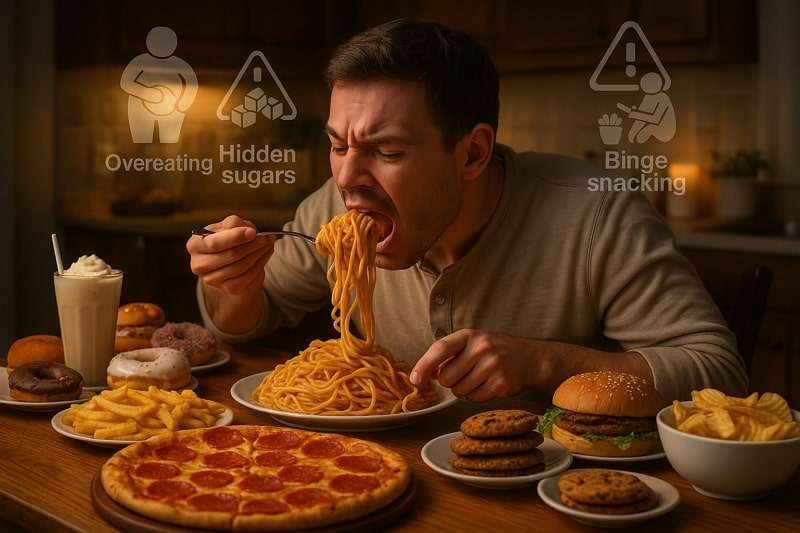
- Eating Too Many Calories During Eating Windows: Even though intermittent fasting limits when you eat, it doesn’t automatically limit how much you eat. Large portions, high-calorie meals, or frequent snacks can offset the calorie deficit created by fasting.
- Consuming Too Many Processed Foods: During your eating window, relying on processed or sugary foods can spike insulin levels and slow fat burning. Foods high in sugar, refined carbs, or unhealthy fats may stall weight loss, even if you stick to your fasting routine.
- Inconsistent Fasting Schedule: Irregular fasting hours or frequent breaks can disrupt your body's metabolic rhythm. When consistency is the key, your body adapts to a predictable eating pattern, where irregular schedules can reduce fat-burning efficiency.
- Due to Stress and Poor Sleep: Another possibility is high stress and insufficient sleep, which can trigger cortisol production, increasing hunger and eventually leading to weight gain. Even with perfect fasting, poor sleep, and chronic stress can make losing weight more difficult.
- Underlying Medical Conditions: Thyroid imbalance, insulin resistance, or hormonal fluctuations can significantly affect your weight loss journey. If you've addressed diet, exercise, and sleep but still struggle with no weight loss, you'll need to look at your medical condition.







Part 2. Not Losing Weight Intermittent Fasting: 6 Diet Mistakes to Avoid
Many people experience no results even with strict fasting, and it happens because of minor mistakes that are easy to overlook. A few of them are outlined in this section, helping with the intermittent fasting, but no weight loss problem for visible changes:
- Fasting Window Too Short or Inconsistent: If your eating window is short or you keep changing your fasting hours, you may not reduce your calorie intake. Late-night snacking, weekend "cheat days," or shifting your schedule can easily cancel out weekday fasting.
- Not Enough Protein and Fiber: Low-protein, low-fiber meals, such as white bread or chips, leave you hungry again quickly. Try to include protein-rich foods like eggs, beans, and fish at each meal to help protect your muscle mass. Besides this, fiber-rich foods such as fruits, whole grains, and yogurt can make you feel full while losing fat.
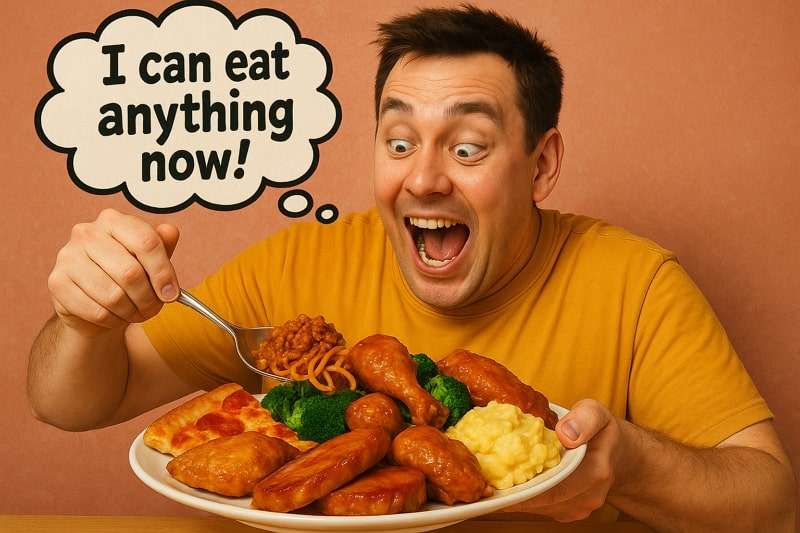
- Overeating After the Fast to “Make Up for It”: Long fasting periods can make you so hungry that you eat very fast and way too much when the window opens. Break your fast gently, drink water, and give your body time (20–30 minutes) before deciding if you need more food.
- Not Being in a Real Calorie Deficit: Many people underestimate how much they eat and overestimate how they move, thinking fasting will work. When you track your intake using AI Calorie Counter - CalBye, you can pre-plan your meals and analyze whether you’re eating less than before.
- Ignoring Stress, Sleep, and Lifestyle: High stress and a poor sleep routine can raise hunger hormones, increase cravings, and push you towards comfort food. If someone is consistently exhausted, they’re less likely to move their body and more likely to rely on sugary snacks.
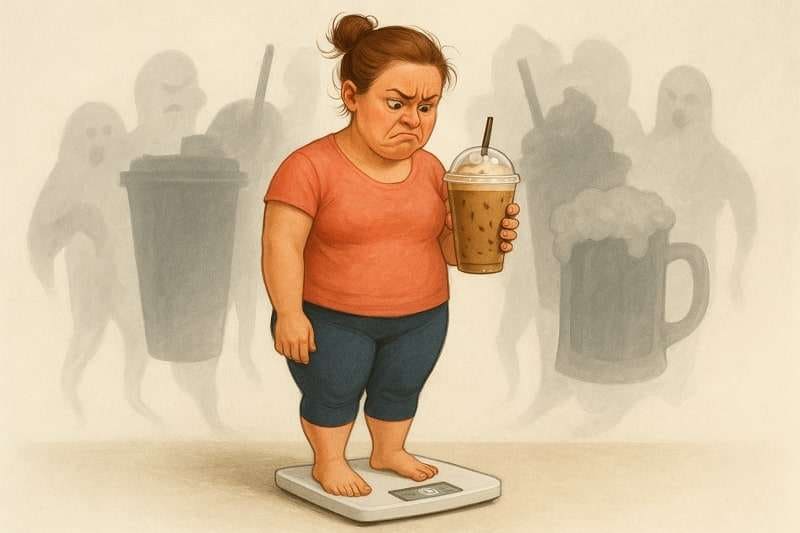
- Having Too Many Calorie-Dense Drinks: Liquid calories add up fast, but often don't make you feel full like sweet coffee or energy drinks. According to some research, people usually forget to count these drinks, making it easier for them to cancel the fat-loss benefit.
Part 3. Fasting Not Losing Weight: 5 Tips to Break the Plateau
When the scale refuses to move despite your best effort, it's natural to feel stuck or discouraged. In fact, overcoming intermittent fasting, no weight loss is possible once you understand small adjustments and workable tips:
1. Adjust Your Fasting Schedule Slightly
Sometimes your current pattern, for example, 12:12 with a night snack, doesn't actually cut your calories. For this, try shortening your eating window (e.g., 16:8) or keeping your hours consistent every day. Most importantly, avoid late-night snacking as much as possible and choose a schedule that fits your lifestyle.
2. Use a Calorie Deficit App to Stop Guessing
A simple calorie deficit app like AI Calorie Counter - CalBye that will help you see what’s actually happening, not a guessing game. The app acts as your personal nutritionist, providing detailed foot analysis and calorie breakdown. Essentially, it helps you stay motivated without judgment, even when you slip after a fast. Besides this, you can track water, fruits, and veggies in one tap to stay mindful and make healthier choices every time.
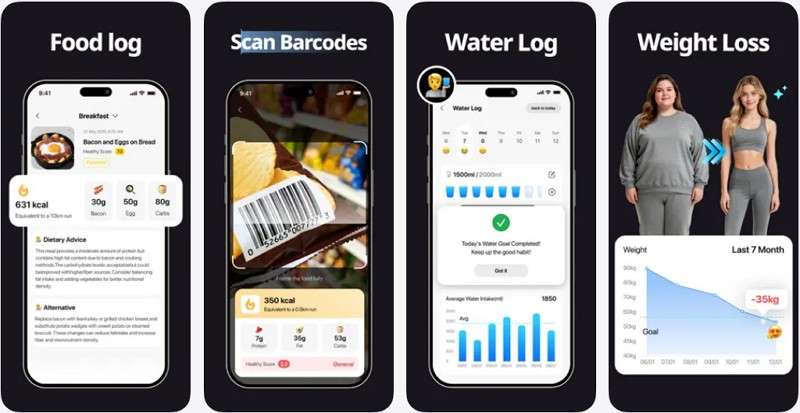
Snap your meal and get estimated portion sizes, macros, and nutrients in front of you. More impressively, it allows you to log meals manually to avoid repetitive scanning. The possibilities are endless when you're allowed to search and enter your desired items for a calculated breakdown. Besides, its new integration includes AI that analyzes your eating patterns to provide personalized tips.
Key Features
- Precise Barcode Scanner: The app scans your food labels and provides detailed insights in a few minutes.
- AI-Driven Recommendations: Fitness freaks can get data-driven suggestions to optimize meals, balance nutrients, and achieve their fitness goals more effectively.
- Daily Progress & History Analysis: It allows users to track their progress over days, weeks, and months to stay consistent with their weight goals.
3. Check If You’re Actually in a Calorie Deficit
For instance, if you've lost some weight, your body will now burn fewer calories, and eating the exact amount will only maintain your weight. Lower your daily calories slightly (around 200-300kcal) or add a bit more movement. To have a brief understanding of this phenomenon, explore the tabular example (numbers will differ by person):
| Situation | Calories Per Day (Example) |
| Old Maintenance (Before Loss) | 2400 |
| New Maintenance (After Loss) | 2200 |
| Current Average Intake | 2200 (No Loss) |
| New Target for Slow Loss | 1900-2000 |
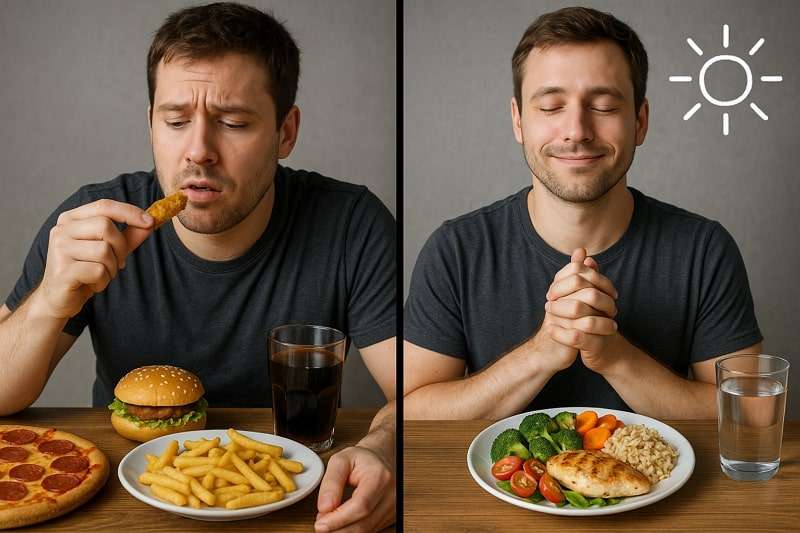
4. Improve Food Quality, Not Just Timings
To evaluate fasting and weight loss, understand that intermittent fasting helps people eat less. If most of your meals come from fatty foods, pastries, and sugary drinks, you may feel hungry inside your eating window. To avoid this, try to build each meal around proteins (eggs, fish, and tofu), veggies/fruit, and whole grain/high fiber carbs.
5. Move More & Add Some Strength Exercises
When you’re lighter, your body burns fewer calories, so adding movement helps restart progress. Provided below are some good, simple options to consider:

- More daily steps (walks, taking the stairs, short walks after meals).
- 2-3 sessions per week of strength work (bodyweight, bands, or weights).
- Mix walking with some light jogging, swimming, or dancing; variety keeps it interesting.
- Even 10-20 minutes of activity a few times per week is better than nothing.
Overall, strength training helps keep or build muscle, which slightly raises your daily calorie burn. It also helps your body look and feel better, even if the scale moves slowly.
Part 4. 5 Recommended Meals to Try in Intermittent Fasting
Sometimes the meals you choose during the eating window leave you in a fasting state, which can prevent weight loss. Head to the section and pick nutrient-dense, balanced foods that can help stabilize energy and control cravings:
1. Veggie Omelet with Whole-Grain Toast
A simple egg omelet loaded with vegetables and a slice of whole-grain toast gives you protein and steady energy. It works well as the first meal after fasting because it's satisfying but not too heavy.
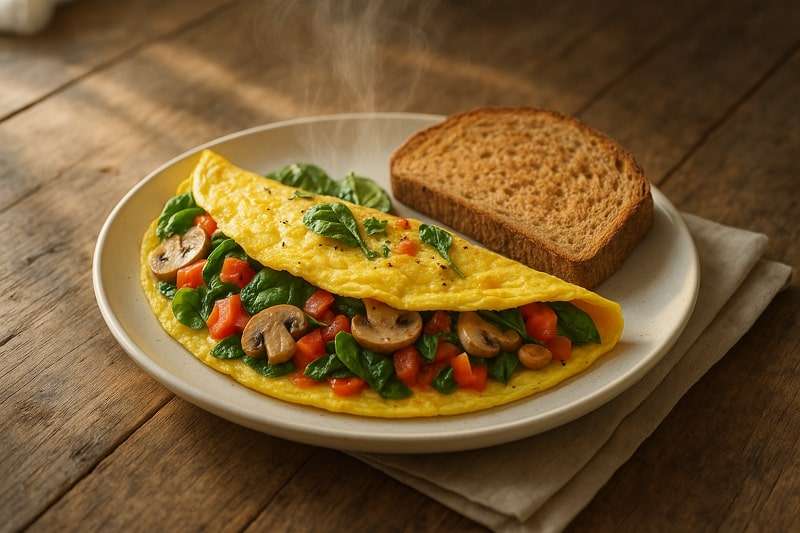
| Component | Ingredients | Approx. Calories |
| Proteins | 2-3 eggs or egg whites | 140-210 kcal |
| Veggies | Spinach, peppers, onion, and tomato | 30-50 kcal |
| Carbs | 1 slice whole‑grain toast | 70-100 kcal |
| Healthy Fat | Olive oil for cooking, avocado | 80-180 kcal |
| Meal Total | / | 320-480 kcal |
2. Greek Yogurt Parfait with Berries and Nuts
Greek yogurt offers high protein, while berries and nuts add fiber, vitamins, and overall healthy fats. This combination helps control hunger and sweet cravings inside your eating window without massive calorie intake.
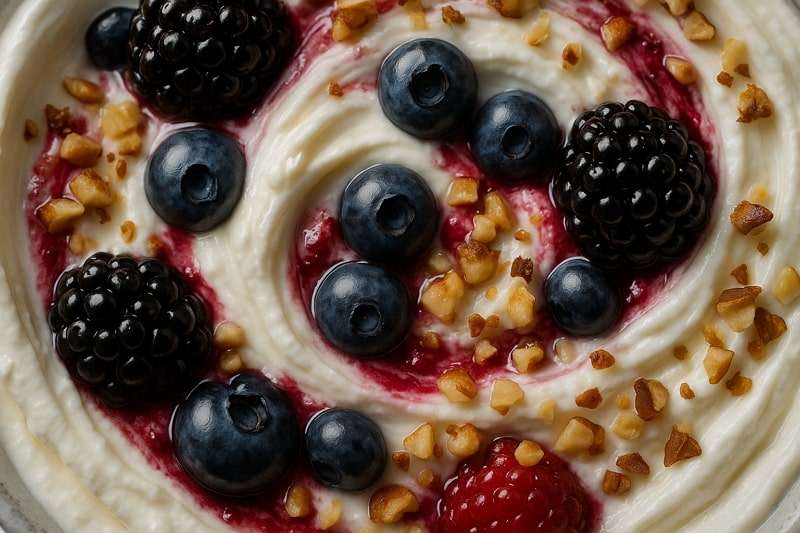
| Components | Ingredients | Approx. Calories |
| Proteins | Plain Greek yogurt (unsweetened) | 120-150 kcal |
| Fruit | Mixed berries | 40-80 kcal |
| Crunch | Handful of nuts or seeds | 90-130 kcal |
| Extra | Slight drizzle of honey (optional) | 20-25 kcal |
| Meal Total | / | 270-385 kcal |
3. Grilled Chicken Salad Bowl
A big salad bowl with grilled chicken, colorful veggies, and a light dressing is low in empty calories but high in volume. This will fill your stomach, and protein will help preserve muscle, helping you overcome the fear of intermittent fasting without losing weight.
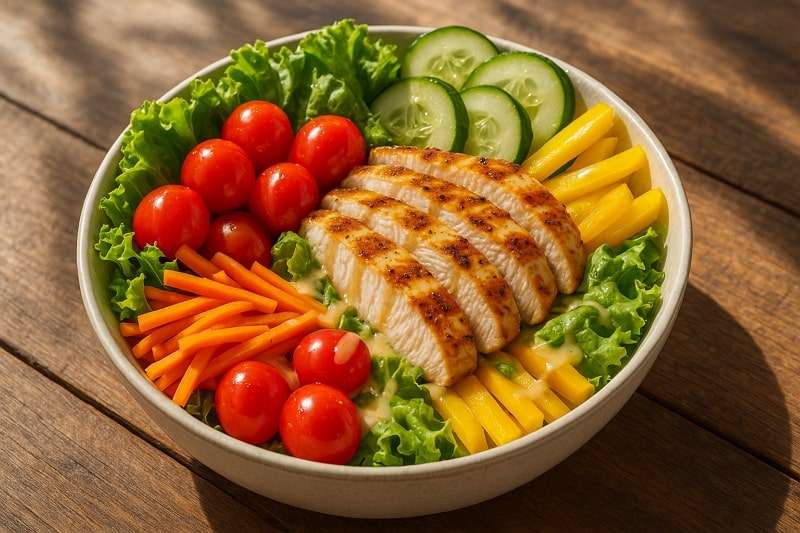
| Components | Ingredients | Approx. Calories |
| Protein | Grilled chicken breast | 160-200 kcal |
| Vegetables | Mixed greens, cucumber, and carrot. | 50-80 kcal |
| Carbs (Optional) | Quinoa or chickpeas | 90-120 kcal |
| Dressing | Olive oil + lemon or light vinaigrette | 40-80 kcal |
| Meal Total | / | 340-480 kcal |
4. Salmon, Brown Rice & Roasted Vegetables
This meal provides high-quality protein, complex carbs, and a complete plate of healthy fats. Salmon’s omega‑3s support heart health, while brown rice and veggies keep you full longer between meals.
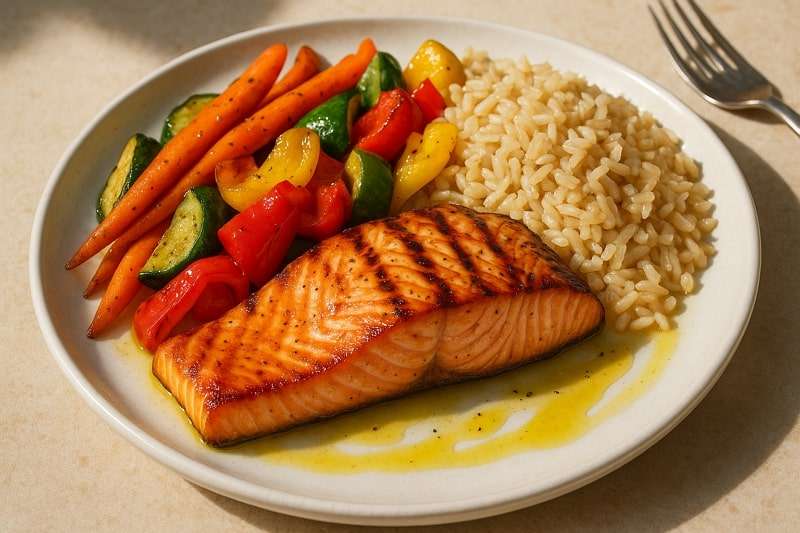
| Components | Ingredients | Approx. Calories |
| Protein | 100g baked/grilled salmon | 200-230 kcal |
| Carbs | ½-1 cup-soaked brown rice | 110-220 kcal |
| Veggies | 1-2 cups of roasted mixed vegetables | 60-100 kcal |
| Healthy Fat | 1 tsp olive oil | 40 kcal |
| Meal Total | / | 410-590 kcal |
5. Lentil and Vegetable Soup with Side Salad
Lentils are rich in plant protein and fiber, making them perfect for a warm, comforting fasting meal. A simple side salad adds crunch and extra nutrients without many extra calories.
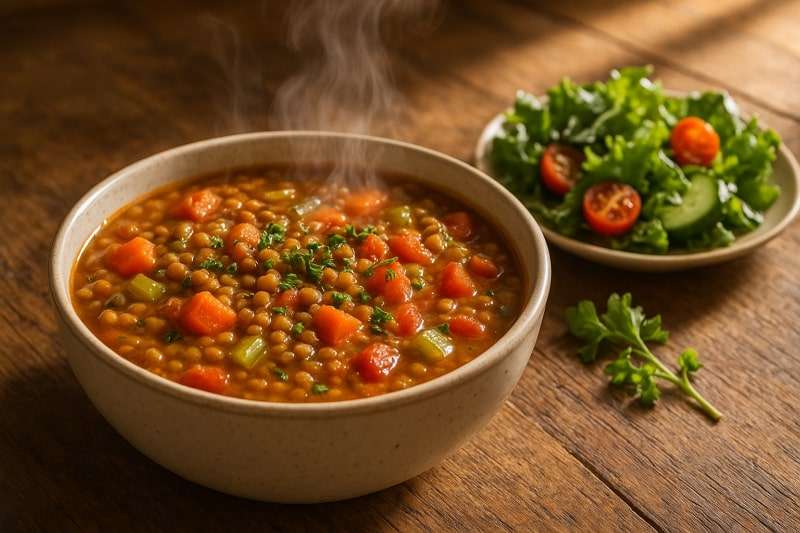
| Components | Ingredients | Approx. Calories |
| Protein/Fiber | 1 ½-2 cups lentil-veg soup | 220-320 kcal |
| Veggies | Included in the soup | / |
| Side | Small mixed‑leaf salad | 20-40 kcal |
| Dressing | 1 tsp vinaigrette or olive oil mix | 30-50 kcal |
| Meal total | / | 270-410 kcal |
Conclusion
In conclusion, hitting a plateau can occur with intermittent fasting, but not losing weight initially, but that doesn't mean the method isn't working for you. Often, minor adjustments like portion control, improved food choices, and consistency can make a significant difference in the weight-loss journey. In fact, when you refer to AI Calorie Counter - CalBye, you can achieve the progress you've been aiming for.
FAQs
-
Does intermittent fasting work for everyone?
While intermittent fasting is effective for many, it may not work the same way for everyone. The reasons could vary, such as due to differences in metabolism, hormones, or medical conditions. Hence, it's essential to find a routine that adjusts to your body and needs. -
How can I know if I'm eating too many calories during my eating window?
An app like CalBye can help you track and analyze exactly how many calories you consume. It allows concerned users to snap their meals and get a detailed breakdown of calories and macros. -
Are there foods I should avoid to see better results?
Highly processed foods, sugary snacks, refined carbs, and excessive unhealthy fats can slow fat loss. Focus on whole foods, healthy fats, or fiber-rich vegetables to maximize results and overcome weight-loss resistance.

